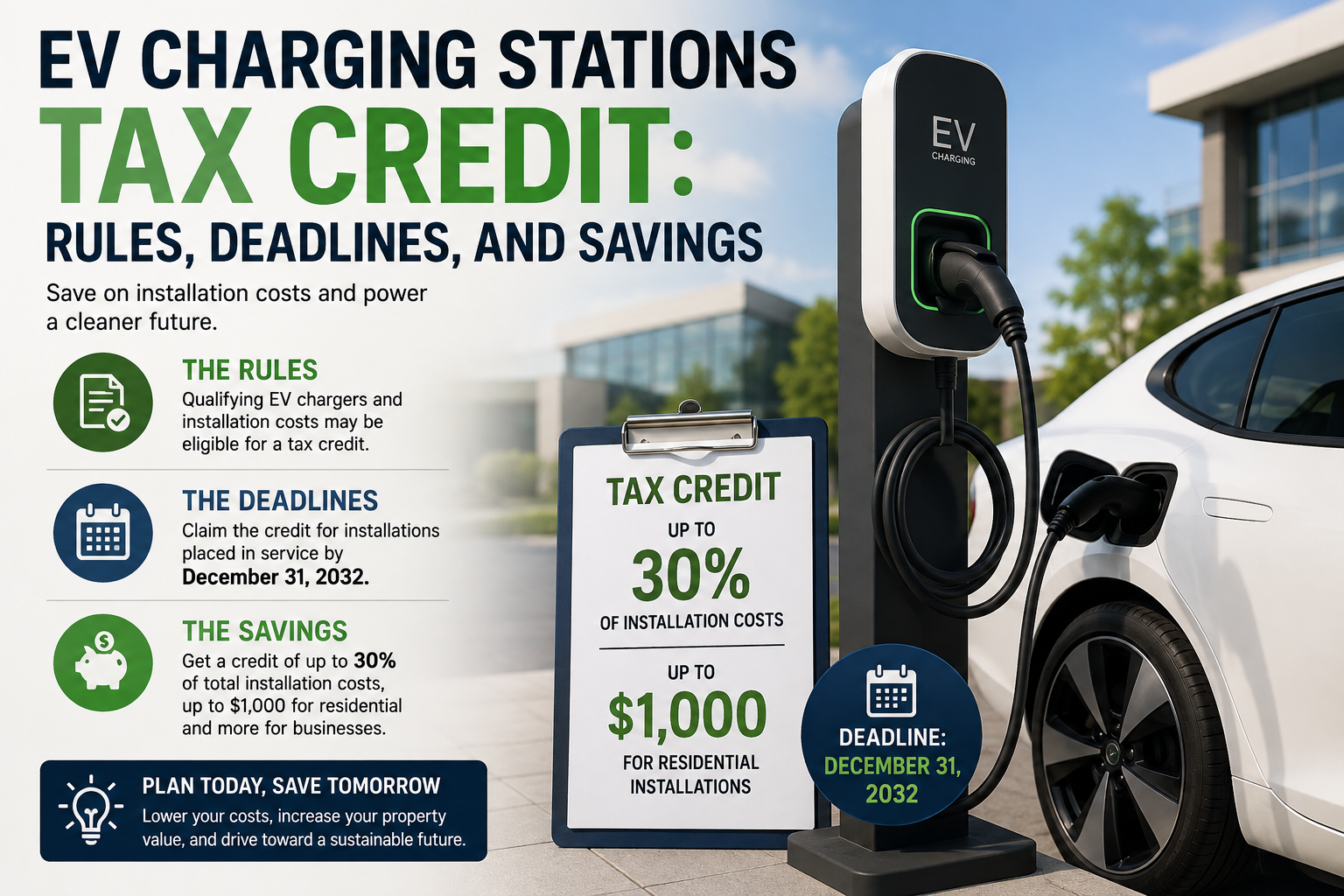
The federal credit for installing a charger is separate from the tax credit for buying an electric vehicle. If you are pricing a home or business installation, the EV charging stations tax credit may matter, but the calendar matters more.
Under current federal rules, the Alternative Fuel Vehicle Refueling Property Credit generally applied only to eligible property placed in service by June 30, 2026. State, utility, and local programs may still offer savings after that date, so check the rules before you buy equipment or sign an installation contract.
EV Charging Stations Tax Credit: What It Covers and Who Can Claim It
Section 30C, formally called the Alternative Fuel Vehicle Refueling Property Credit, covered qualifying EV charging equipment and certain installation costs. It did not reduce the price at checkout. Instead, an eligible taxpayer claimed it on a federal tax return.
The property had to meet strict requirements for timing, location, and use. A charger in a private garage could face different tax treatment than equipment owned by a retail business, apartment operator, employer, or fleet manager.
The U.S. Department of Energy’s Alternative Fuel Infrastructure Tax Credit summary outlines the federal credit’s scope and June 30, 2026 end date.
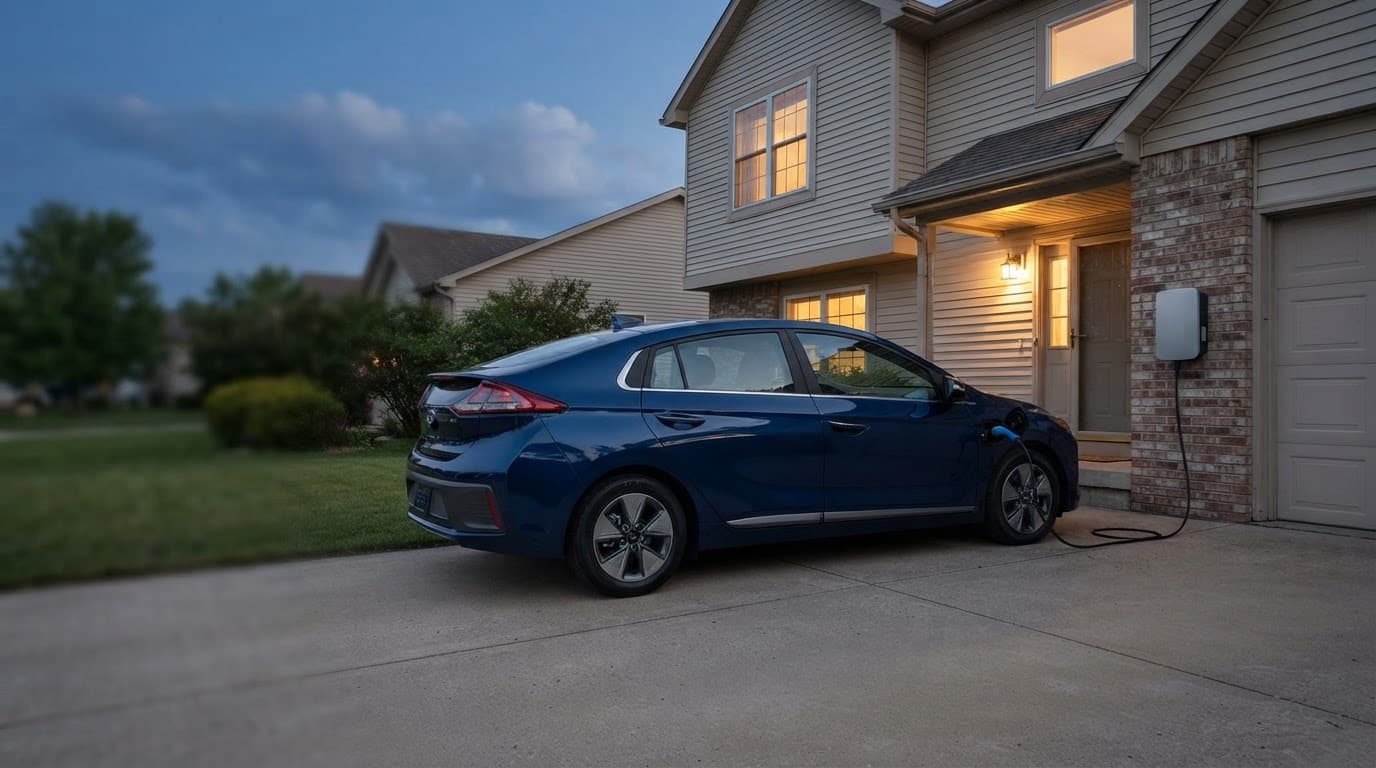
How much could the federal charging station credit save you?
For personal-use property, the former federal credit generally equaled 30% of eligible costs, capped at $1,000. Eligible costs could include the charger and reasonable installation expenses tied directly to putting it into service.
Business property generally qualified for a 6% credit, up to $100,000 per item of charging property. A higher 30% rate could apply when prevailing wage and apprenticeship requirements were met.
Those numbers are useful for reviewing a past installation, but they are not a promise of a current benefit. Federal legislation changed the credit, so confirm deadlines, limits, and filing rules for the tax year involved.
The location rule that could decide eligibility
After the Inflation Reduction Act changes, Section 30C applied only to property located in an eligible low-income community or a non-urban census tract. A city name or ZIP code did not settle the question.
Check the exact installation address with a Department of Energy or IRS-approved mapping resource before relying on the credit. One side of a neighborhood boundary can produce a different result than the other.
A house, rental building, workplace, retail site, and public station may also differ based on ownership and use. The address is only one part of the eligibility test.
Timing Matters: “Placed in Service” Is the Key Date
For the former federal credit, the important date was when the charger was placed in service, not when you ordered it or paid a deposit. In practical terms, the equipment needed to be installed, connected, and ready for its intended use.
A charger purchased in May but installed after the cutoff may not meet the federal timing rule. Permit delays, panel upgrades, utility work, and inspections can push a project beyond the date you expected.
Argonne National Laboratory’s 30C credit overview states that the credit is not allowed for property placed in service after June 30, 2026. Keep documents that show when the installation became operational.
A paid invoice proves a purchase. It does not always prove the date the charging equipment was ready for use.
For projects completed before the deadline, save the final invoice, permit signoff, utility interconnection records if applicable, and installer completion notice. These records can help if a tax preparer needs to confirm the placed-in-service date.
How to Claim a Tax Credit for an EV Charger at Home or Work
Start by confirming the installation date and exact property location. Next, separate direct charger costs from unrelated home improvement or construction costs.
Eligible expenses could include the charging unit, wiring, conduit, labor, and other work needed for installation. However, broad electrical renovations or unsupported construction charges may fall outside the credit calculation.
Taxpayers generally used Form 8911 to claim the Alternative Fuel Vehicle Refueling Property Credit. Tax software provider TaxSlayer offers a useful overview of Form 8911 qualification rules, but taxpayers should also confirm the current federal filing instructions.
A credit can be limited by your tax situation. It is not automatically refundable, and a large installation bill does not guarantee an equally large tax reduction.
Documents to save before filing
Keep records in one folder, whether the installation was at a home, rental property, workplace, or public site. Useful documentation includes:
- The charger receipt, model number, and product specifications.
- An itemized installation invoice and proof of payment.
- The installation address and the date the equipment was placed in service.
- Permit records, inspection approval, and contractor documentation.
- Evidence that the site met the applicable census tract rule.
Business owners should also retain property records, business-use percentages, depreciation information, and separate records for each charging unit. When a higher business credit rate is involved, wage and apprenticeship documentation needs the same care.
Home, rental, and business property are not treated the same
A homeowner who owns and uses a charger personally has a different filing position than a landlord who installs shared parking chargers. Employers, nonprofit organizations, apartment operators, and fleet owners may face business-property rules instead.
First, identify who paid for the equipment. Then confirm who owns it and who uses it. A charger can have mixed personal and business use, which may require a careful allocation.
Do not claim the same cost through multiple taxpayers or incentive programs without reviewing each program’s terms. Shared projects need clear agreements before anyone files a return.
Federal, State, and Utility EV Charger Incentives Compared
Federal tax rules are only one part of the possible savings. States may offer tax credits, rebates, grants, or registration-related benefits. Utilities may provide charger rebates, reduced off-peak rates, load-management programs, or help with electrical infrastructure.
Local governments and air-quality agencies sometimes fund workplace or multifamily charging. These programs can have limited budgets, approved-equipment lists, contractor requirements, income limits, and short application windows.
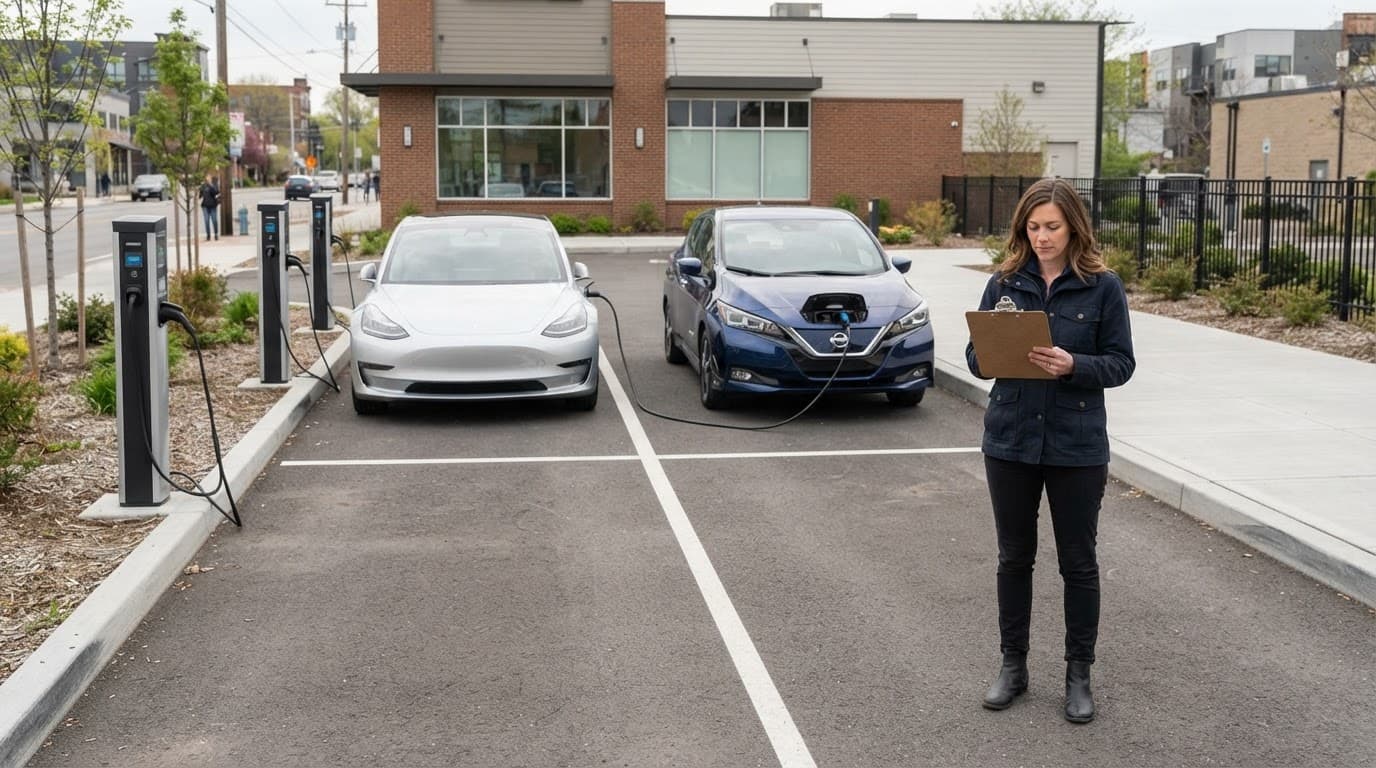
Where to look for current charging rebates
Begin with your state energy office and electric utility. Then check city, county, and regional air-quality programs that serve the installation address.
The Department of Energy’s Alternative Fuels Data Center is a strong starting point for state-by-state incentive research. Rewiring America’s 30C EV charger credit guide also explains the former homeowner credit and its deadline.
Confirm that a program is open before signing a contract. Some rebates require preapproval, an approved charger model, or installation by an approved electrician.
Can you combine a tax credit with a utility rebate?
Sometimes you can combine benefits, but the answer depends on the program terms and tax treatment. A utility rebate may reduce the cost basis used to calculate a federal or state credit.
Read every program’s stacking rules before committing. If the installation involves business property, a landlord, or several funding sources, ask a tax professional how each rebate affects the eligible amount.
The best EV charging stations tax credit calculation begins with the full incentive picture, not a single advertised percentage.
Charging Station Costs, Eligibility Mistakes, and Smart Ways to Save
A tax credit should not drive the entire purchase decision. Panel capacity, wiring distance, trenching, permits, labor, and electrical upgrades can cost more than the charger itself.
Compare the total installed price, charging speed, warranty, safety certification, smart charging features, and any network subscription fees. A less expensive unit can become costly if it needs replacement or cannot support a future vehicle.
For home charging, ask an electrician whether your existing electrical panel can support the load. For commercial sites, ask about load management, accessibility rules, billing software, and maintenance responsibility before equipment arrives.
Common reasons a charging installation may not qualify
Several mistakes can stop a credit claim or reduce it. Installing after the federal deadline is the most obvious issue, but it is not the only one.
Common problems include:
- Relying on a ZIP code instead of verifying the census tract.
- Confusing the EV purchase credit with the charging equipment credit.
- Adding unsupported electrical work to the claimed cost.
- Missing the filing instructions or using the wrong tax year.
- Assuming every tax credit is refundable.
- Ignoring different rules for employer-owned, landlord-owned, or mixed-use equipment.
The former residential credit was capped even if an installation cost far more than the cap. Business projects also required careful treatment of each separate item of charging property.
A simple checklist before you buy or install
Before a project begins, confirm the following details for the tax year when the charger enters service:
- Verify the current federal deadline and whether a credit remains available.
- Check the exact address against the applicable census tract requirement.
- Review state, local, and utility incentives before choosing equipment.
- Request an itemized quote that separates the charger, labor, permits, and electrical work.
- Confirm any equipment, installer, or preapproval rules.
- Save receipts, contracts, permits, and final completion records.
If the project is business-related or unusually expensive, review the claim with a qualified tax professional before filing.
Final Takeaway
The federal Section 30C credit had strict rules for timing, location, ownership, and documentation. Under current law, the federal charging credit generally ended for property placed in service after June 30, 2026.
Before installing equipment, compare the full installed cost with available state and utility incentives. Keep complete records from the quote through final inspection, because documentation can determine whether an otherwise eligible project supports a tax claim.
A tax professional can help confirm eligibility for businesses, landlords, fleets, and shared charging sites.
1 thought on “EV Charging Stations Tax Credit: Rules, Deadlines, and Savings”