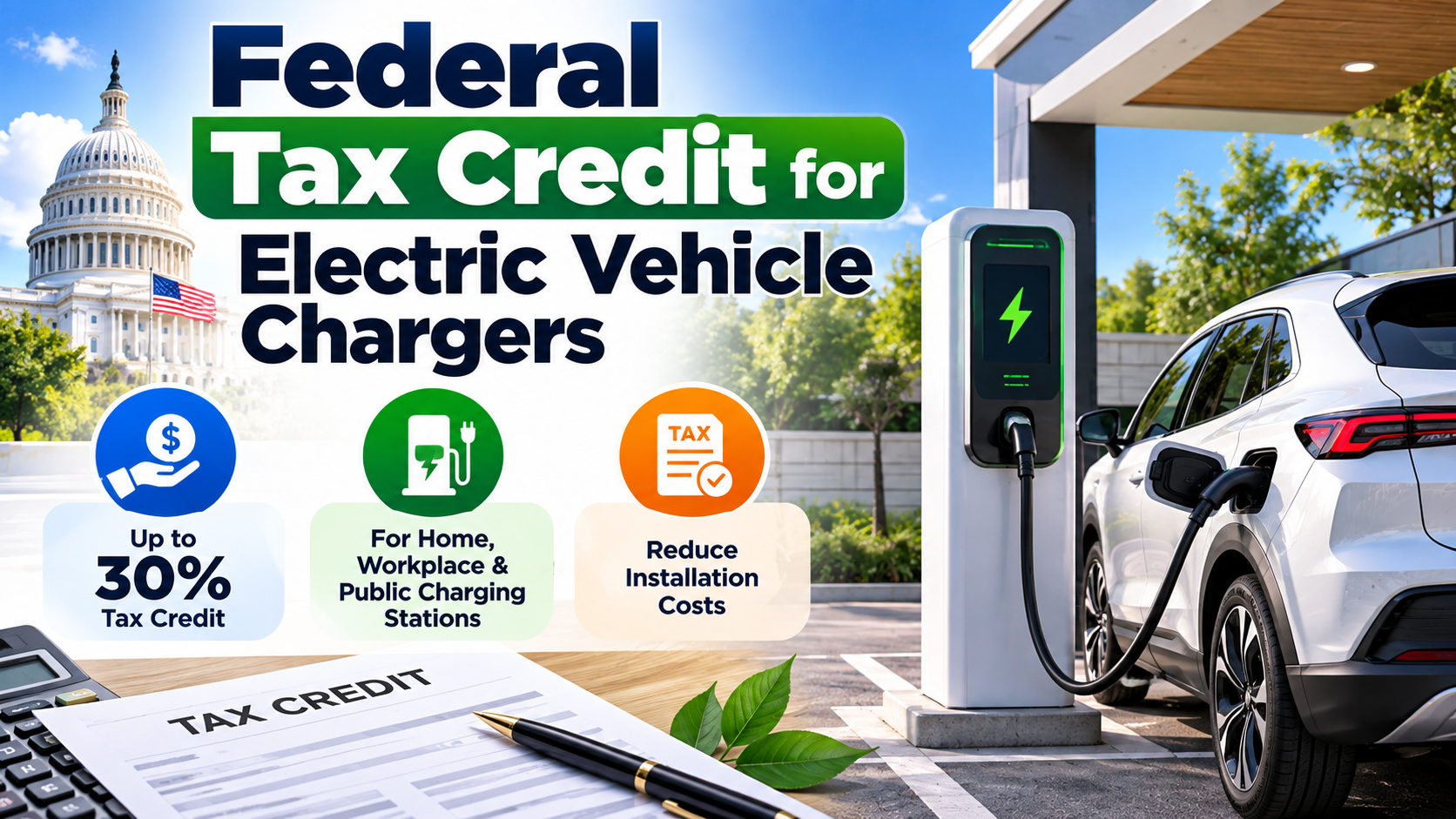
A charger you install today can’t qualify for the federal Section 30C credit. As of September 2026, the credit is unavailable for equipment first placed in service after June 30, 2026. But if your charger was operational by the deadline, you may still be able to claim the credit for the tax year it entered service.
The amount depends on whether you installed it at your home or for an organization. Location matters, too. Here’s how the limits, eligibility checks, and Form 8911 filing process work. This federal incentive is separate from any state, utility, or employer offer.
Federal tax credit for electric vehicle chargers: what changed in 2026
Section 30C is the federal Alternative Fuel Vehicle Refueling Property Credit. It covered qualifying EV charging equipment placed in service after December 31, 2022, and before July 1, 2026. The IRS instructions for Form 8911 state that property placed in service after June 30, 2026, can’t receive the credit.
The date that matters is when the equipment was ready for its intended use. For a home charger, the IRS treats it as placed in service when it is operational. An order confirmation or payment receipt establishes a transaction date, but it doesn’t establish when you could use the charger.
That distinction matters for projects that crossed the deadline. A charger ordered in May 2026 but first operational in July missed the federal cutoff. Filing a tax return later doesn’t extend the installation window. Likewise, paying an electrician before June 30 doesn’t establish eligibility if the equipment wasn’t operating by then.
A charger that became operational by June 30 may still qualify, subject to the cost, location, and taxpayer rules below. You claim an eligible credit for the tax year the charger was placed in service, even if you prepare or file that return afterward. If you missed claiming a qualifying installation on an earlier return, check the applicable IRS procedures before attempting to correct it.
Keep the charger credit separate from a credit for buying a vehicle. They have different requirements. If you’re reviewing an older vehicle purchase as well, the 2025 federal EV tax credit rules address that vehicle incentive, not Section 30C.
How much the EV charger tax credit covered for homes and businesses
The federal tax credit for electric vehicle chargers used different calculations for individuals and business property. These amounts describe equipment placed in service by June 30, 2026. They don’t apply to a new installation completed in September 2026.
Home charging stations could qualify for up to $1,000 per port
An eligible individual could claim 30% of qualifying costs, capped at $1,000 per item. For EV charging equipment, the IRS treats each charging port as a separate item. One unit with more than one port isn’t necessarily treated as one item for the credit calculation.
Qualifying costs can include the charger and eligible installation expenses. That doesn’t mean every electrical improvement made during the project counts. The equipment also had to be at the taxpayer’s principal residence, with its original use beginning with that taxpayer.
The cap is a ceiling, not a guaranteed payment. The amount you can claim depends on the eligible cost and your tax situation, as well as the other Section 30C requirements. Check the applicable Form 8911 instructions before entering a figure on your return.
Businesses and other organizations had different limits
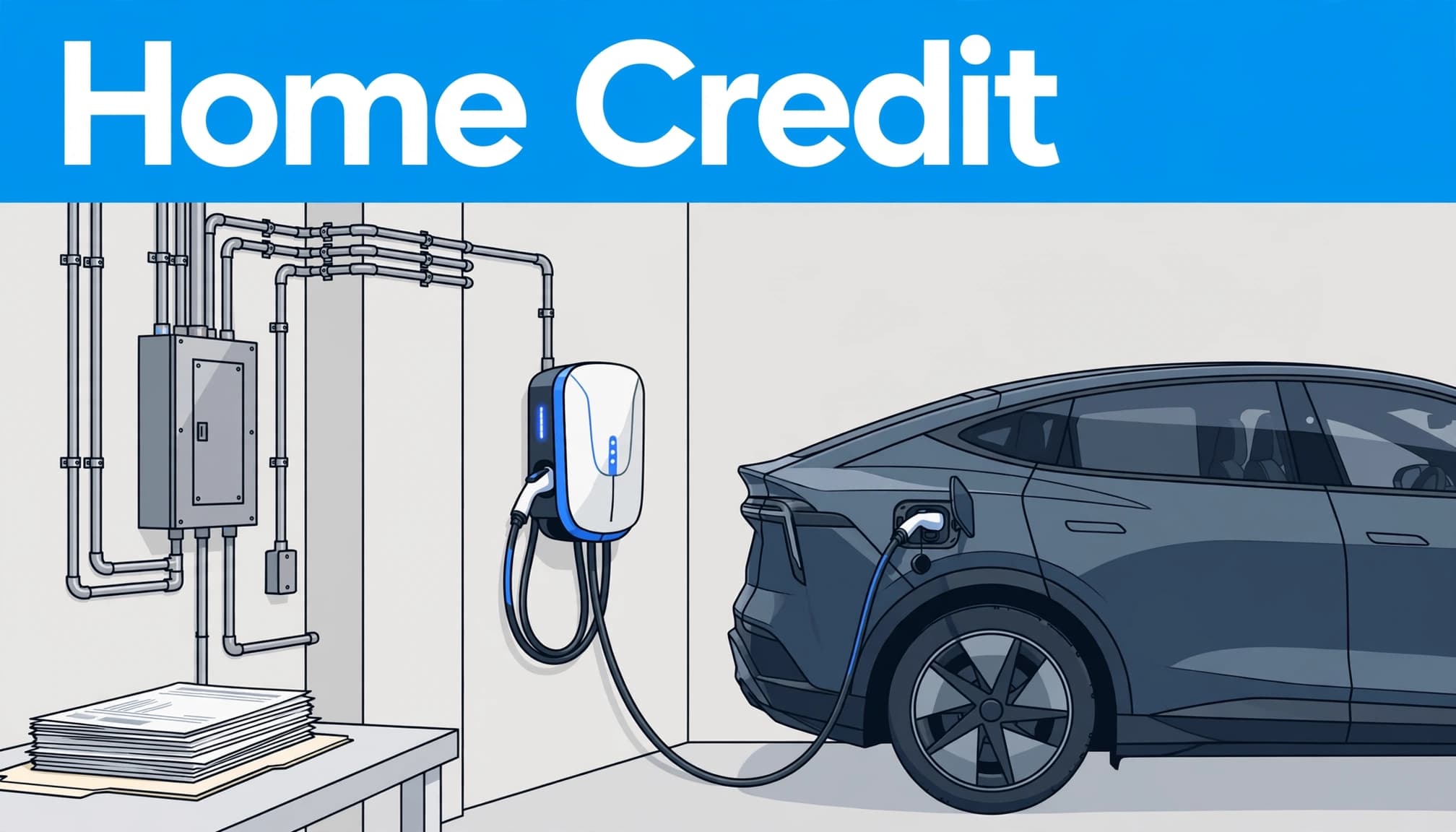
For qualifying business property, the general credit was 6% of eligible cost, up to $100,000 per item. Eligible costs could include installation labor. The rate could rise to 30% when applicable prevailing wage and apprenticeship requirements were met. A charging port is the relevant item for EV charging equipment.
The difference can matter at a fleet depot or facility with several ports. A project total alone doesn’t tell you the credit amount. You need to identify eligible property, assign costs appropriately, and apply the correct rate and per-item limit. The IRS Section 30C guidance sets out the business rates and limits.
Eligible tax-exempt and government entities had a separate route through elective pay, subject to its rules. They shouldn’t assume the individual home-charger process applies to them.
What counts in the cost of a charging project?
A purchase invoice gives you a starting number. A defensible Section 30C calculation needs more detail: which equipment was eligible, which work supported its installation, and which costs belong to each item claimed.
Identify the port and its supporting equipment
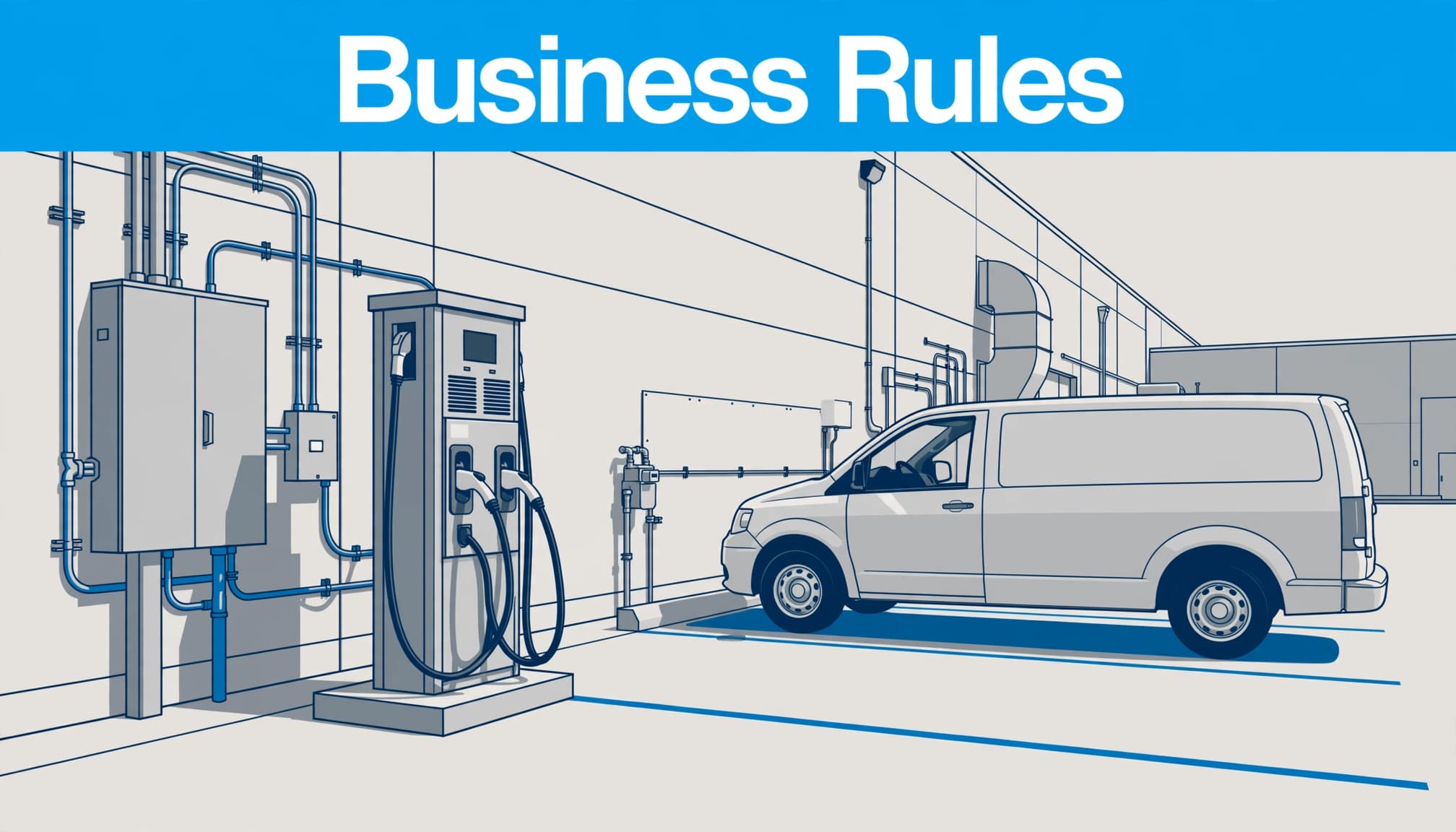
A charging port is the item used for the Section 30C limit. Equipment associated with that port may also be relevant to its eligible cost. In practice, a project invoice might combine charging equipment, electrical materials, installation labor, and unrelated site work. Those amounts shouldn’t automatically be treated as one qualifying figure.
Look at what was installed and what each expense supported. A clear cost breakdown is useful when a site has multiple ports or the charging project was part of a larger electrical upgrade. It also helps you check the calculation against the equipment that was actually operating by the deadline.
Keep labor and other site work traceable
An electrician’s invoice may support eligible installation labor, but it should show what work was done. If an invoice also covers lighting, general building improvements, or other unrelated work, retain enough detail to distinguish those charges from the charger installation.
For a business project seeking the higher rate, cost records aren’t the only labor records that matter. Documentation relevant to prevailing wage and apprenticeship requirements may also be needed. The goal is a calculation you can trace back to invoices, work performed, and the ports placed in service.
When a shared electrical component supports several ports, avoid assigning its entire cost to each one. Check the IRS rules and seek tax advice if the allocation isn’t clear.
Check the location and installation rules before claiming the credit
A charger could meet the deadline and still fail the location test. Section 30C required qualifying property to be in an eligible census tract. That makes the installation address a core part of the claim, not an administrative detail.
Eligible census tracts were required
The eligible areas included certain low-income community and non-urban census tracts under the applicable IRS rules. A rural-looking address or a neighborhood with lower household incomes doesn’t establish eligibility on its own. The tract must qualify under the rules that apply to the property’s placed-in-service date.
Use the IRS eligible-tract guidance to identify the address’s census tract and confirm its status for that date. Keep the tract information with the project records. IRS materials distinguish between service-date periods, so a result checked under the wrong period may not answer the question for your installation.
For a business site, verify the exact charging location rather than relying on a mailing address or a nearby facility. If the property spans uses or locations, get advice before assuming one tract determination covers everything. The IRS Form 8911 PDF instructions provide the filing guidance for checking location eligibility.
Home chargers had to meet residence and use conditions
For an individual claim, the charger had to be installed at your principal residence, and its original use had to begin with you. A charger at a second home, rental property, or business site may not meet those individual home-credit rules. Business property has separate requirements and shouldn’t be entered as though it were a personal home installation.
Keep evidence that the equipment was installed and operational by June 30, 2026. An installation invoice helps establish what you paid; a commissioning record, electrician’s completion documentation, or other evidence of operation helps establish when the charger entered service. Neither the address nor the receipt should be treated as the whole eligibility check.
How to claim a qualifying charger credit on your tax return
For eligible pre-deadline property, the federal filing form is Form 8911, Alternative Fuel Vehicle Refueling Property Credit. You claim the credit for the year the charger was placed in service, not the year you happen to submit the return.
Before preparing the form, confirm the service date, installation location, eligible costs, and the rules for your taxpayer type. That sequence prevents a common problem: calculating a promising credit amount before discovering that the site or service date doesn’t qualify.
Gather receipts, labor records, and proof of the service date
Start with the purchase invoice and installation receipts. Save any itemized labor documentation, the installation address, and the census tract information used to confirm location eligibility.
Then collect evidence showing when the charger became operational. A payment receipt alone can’t establish that the equipment was placed in service by June 30. For a business installation, retain records that support the claimed rate as well as the costs assigned to each port.
Keep the supporting material with your tax records, even if you don’t submit every document with Form 8911. You should be able to show how you reached the amount claimed and why the installation met the eligibility tests.
Use Form 8911 and follow the right filing process
Individuals use Form 8911 with their federal return for the tax year the charger became operational. Follow the instructions applicable to that return rather than assuming that instructions for another tax year have identical filing details.
Businesses should confirm the business-credit procedures that apply to their returns. Eligible tax-exempt and government entities seeking elective pay have additional steps, including IRS pre-filing registration. The IRS guidance for tax-exempt entities explains that route.
Forms and procedures can change. Check current IRS instructions before filing, particularly if you’re handling a prior-year return, a multi-port business project, or an elective-pay claim.
Check other incentives separately if you installed a charger later
Missing the Section 30C cutoff doesn’t automatically end every potential source of assistance. State and local programs, electric utilities, and employers may have their own charger incentives. Their availability and terms depend on the program, so check directly before factoring an offer into your project cost.
The distinction matters if you’re planning a new installation now. Other incentives can’t restore eligibility for the expired federal credit. Background on EV charging station funding and incentives can help you identify categories to investigate, but verify current terms with each program provider.
Conclusion
The federal tax credit for electric vehicle chargers generally required qualifying equipment to be placed in service before July 1, 2026. For homes, the limit was up to $1,000 per port; business rates and limits differed. Location and taxpayer type could change the result in either case.
If your charger was operating by the deadline, gather your installation and service-date records. Verify the site and costs against IRS guidance or with a qualified tax professional before completing Form 8911. A new charger installed in September 2026 can’t qualify for Section 30C.