free ev charging stations
Free EV charging stations are available at some stores, workplaces, hotels, apartment buildings, dealerships, and public facilities. However, access can depend on the time of day, a parking rule, a purchase, or whether you’re a guest, employee, or resident.
Most complimentary charging is Level 2, which fits a grocery run or a workday. DC fast charging is usually paid, so confirm the listed price and site rules before you drive across town for a “free” session.
Where to Find Free EV Charging Stations Near You
The best places to look are locations where you already plan to spend time. Retailers, malls, grocery stores, hotels, libraries, parks, city garages, and office campuses sometimes cover the electricity cost to attract visitors or support employees.
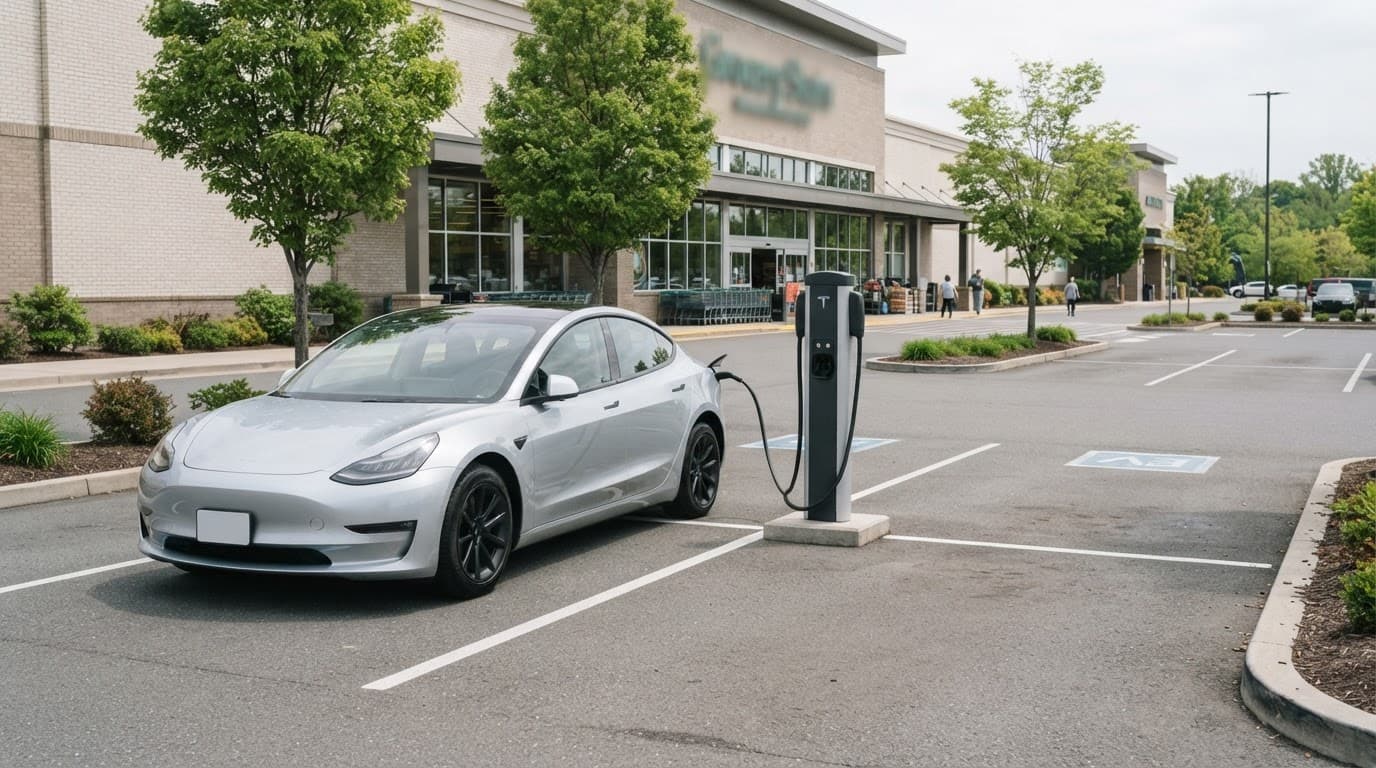
Some retail locations use ad-supported charging, including stations associated with Volta. A charger in a busy shopping center can add useful range while you buy groceries, eat lunch, or pick up an order. Still, the host controls the rules, and those rules can change without warning.
Retail, Hotel, Workplace, and Apartment Chargers
Businesses often provide power as a customer perk or an employee benefit. Hotels may offer a free Level 2 plug for overnight guests. Apartments may include charging as a resident amenity. Workplaces may reserve stalls for people with a company badge or parking permit.
Free electricity doesn’t always mean free parking. A hotel garage may charge an overnight fee. A mall may require parking validation. Some retail sites limit charging to two hours, even if you stay longer.
Before relying on a location, look for access notes in an app and call the property if the rules are unclear. A broader collection of EV charging stations in the USA can also help you compare the places where public charging is most common.
Public Chargers and Dealerships Have Site-Specific Rules
Libraries, municipal parking lots, transit centers, parks, and courthouses sometimes offer complimentary charging. These stations may only work during building hours, or they may sit behind a gate that closes at night.
Dealerships are another possibility, especially for drivers with older EVs or a nearby brand dealer. Yet a dealership charger may be for service customers, locked after business hours, or blocked by inventory vehicles.
Treat each listing as a lead, not a promise. Read posted signs, check recent driver comments, and confirm that the lot is open to the public before you count on it.
The Best Apps for Finding Free EV Charging Stations
A good charging app saves more time than driving around hoping to spot a green pedestal near a storefront. Search by price, connector, charging speed, network, and destination, then compare recent updates before leaving home.
PlugShare’s charging map is especially useful for community check-ins, photos, access notes, and filters that help locate $0 sessions. Because drivers report what they find, it can reveal a broken plug, a blocked space, or a new parking restriction that the station owner hasn’t updated.
How to Search for Free or $0 Charging in an App
Use a consistent search routine:
- Enter your destination instead of searching the whole city.
- Apply a “Free” or “$0” price filter where the app offers one.
- Select your connector, such as J1772, CCS, NACS, or CHAdeMO.
- Check the power rating so you don’t mistake a slow Level 2 station for fast charging.
- Read the newest comments and view recent photos.
- Open the host or network app to verify current status and pricing.
A station marked free may now be private, occupied, out of order, or switched to paid pricing. Recent check-ins are often more useful than an old star rating. Kelley Blue Book’s EV charging app overview also explains why most drivers keep more than one charging app on their phone.
What the Major Networks Offer
PlugShare is mainly a discovery tool, not a charging network. ChargePoint operates a large map of independently owned stations, so the property owner sets many prices and rules. ChargeHub can help find compatible ports and sort charging options by price.
Tesla Destination Chargers at hotels and resorts may be free for guests, while Superchargers are generally paid and intended for travel stops. Check Tesla charging options before assuming your vehicle can use a particular Tesla site. Compatibility can depend on your car, adapter, and the station type.
Electrify America is primarily a paid DC fast-charging network. Its mobile app shows live station availability and connector types, which makes it a useful backup when a free charger doesn’t work out. Volta remains associated with ad-supported retail charging, although each host site sets its own access conditions.
What Free Charging Really Costs and How Long It Takes
A zero-dollar session can still cost you money. Parking charges, membership requirements, validation rules, and mandatory purchases can all sit outside the charging price. In some garages, the electricity is free while the hourly parking meter keeps running.
A free charger is only a bargain when the parking cost, extra driving, and waiting time make sense for your trip.
Most free public stations are Level 2. They work best when your car will already be parked for an hour or more. For a road trip, paid fast charging usually beats waiting at a busy retail lot for a modest gain in range.
Level 2 Versus DC Fast Charging
Level 2 equipment usually uses J1772 for non-Tesla vehicles and adds range gradually. It is a practical match for a hotel stay, office shift, movie, or long meal. Its slower pace also makes it less expensive for a host to provide.
DC fast charging delivers much higher power and can add substantial range during a short stop. It usually uses CCS, NACS, or, on some older sites, CHAdeMO. Free public fast charging is uncommon and often tied to a limited promotion, vehicle purchase benefit, or special membership.
For a clearer view of charging power, session costs, and battery habits, see these EV fast-charging speed and cost tips.
Free Does Not Always Mean Unlimited
Look for restrictions before you plug in. Common conditions include:
- A two-hour maximum charging session at retail locations.
- Idle fees after the vehicle stops drawing power.
- Customer-only access or a minimum purchase requirement.
- Parking fees, garage validation, or permit-only spaces.
- Overnight restrictions in parks, libraries, and city lots.
- Promotional charging limited to certain models or account holders.
Save a screenshot of the listed rules, especially if you need the charge to reach your next stop. Then watch the charger display and app notifications for the session end time.
How to Check That a Free Charger Is Safe and Available
Before leaving, confirm the exact address, access hours, parking terms, connector, power rating, and current price. A map pin can be correct while the charger itself is behind a locked gate or reserved for residents.
Check both the network or host app and PlugShare. If their information conflicts, trust the most recent update and prepare a backup. Prioritize a listing with current status, recent photos, and comments that describe how drivers enter the lot.
Avoid Crowded, Broken, or Stale Listings
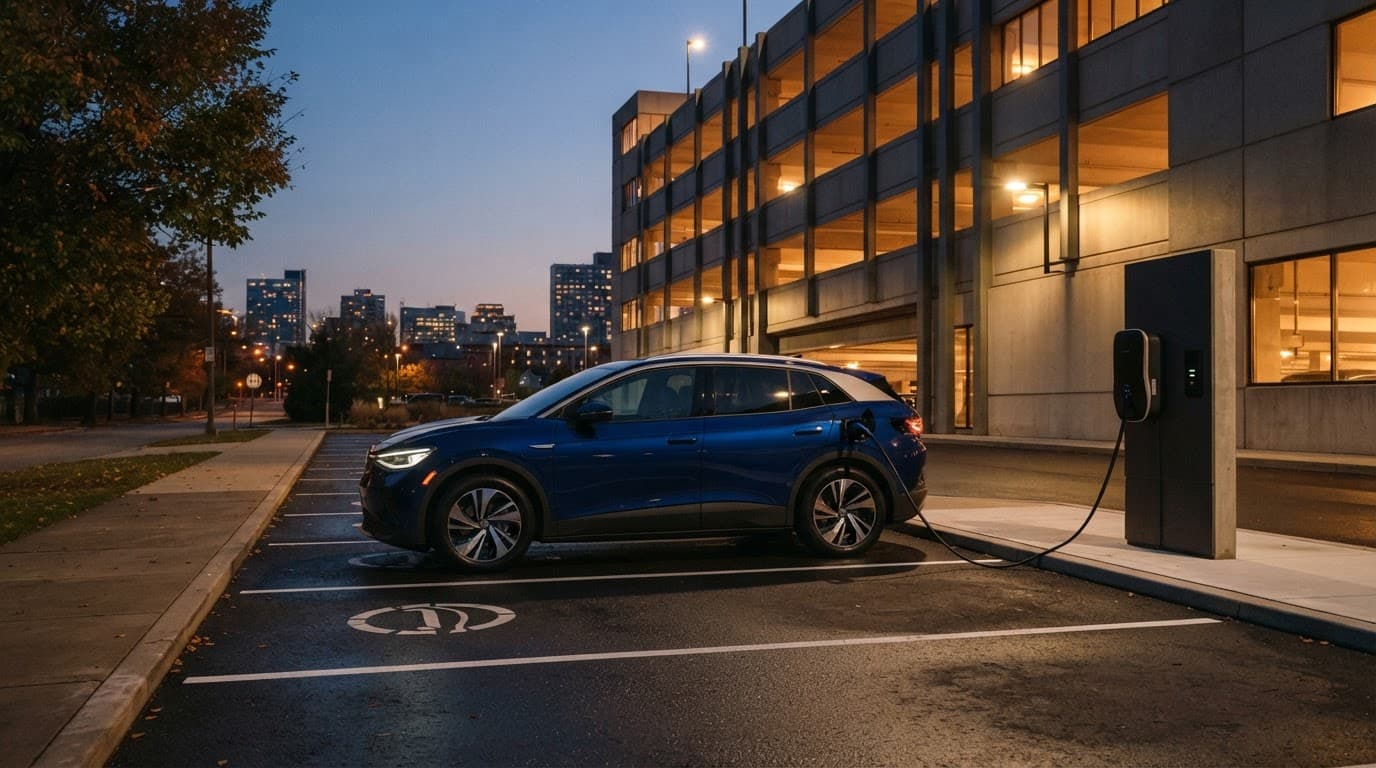
Free EV charging stations attract drivers, so they can be busy even at inconvenient hours. A single stalled vehicle can turn a simple stop into a long wait. Older free stations also may receive less maintenance than high-revenue fast chargers.
Look for check-ins made within the past few days. Favor stations with working photos, clear notes on access, and live availability where possible. If a charger is blocked, damaged, or inside a private lot, report it in the app so the next driver doesn’t repeat the trip.
Plan a Paid Backup Before You Need It
Keep enough battery to reach another charger. On a longer drive, arriving around 10% to 20% can help an EV accept faster charging, although weather and vehicle limits affect the result. When time matters, charging to roughly 60% to 80% often makes more sense than waiting for a full battery.
Use practical EV range planning tips to set a comfortable buffer for your route. Pick a paid backup nearby, confirm its connector, and know its hours before you leave the free location.
Use Complimentary Chargers Without Blocking Other Drivers
Charging etiquette matters most at free stations because there are often only one or two plugs. Move your vehicle when the session ends or when the posted time limit expires. Don’t treat a charging spot as long-term parking.
Never unplug another vehicle without the driver’s permission. Keep cables clear of walkways, inspect the plug for damage, and stop if the connector feels loose or looks burned. At night, choose well-lit locations near open businesses or active public areas.
Avoid entering card details through suspicious QR-code stickers placed on a charger. Use the official network app or the payment method shown in the station’s verified listing. A quick check protects both your account and your evening plans.
Make Free Charging Part of a Reliable Routine
Free EV charging can lower daily driving costs, especially when it fits a stop you were already making. Still, the listed price tells only part of the story. Access hours, parking fees, connector compatibility, and time limits decide whether a station is useful.
Use a trusted app to find a location, then verify it with the host or network before you go. Keep a paid backup within reach, and a complimentary stop becomes a dependable part of your EV routine rather than a gamble.