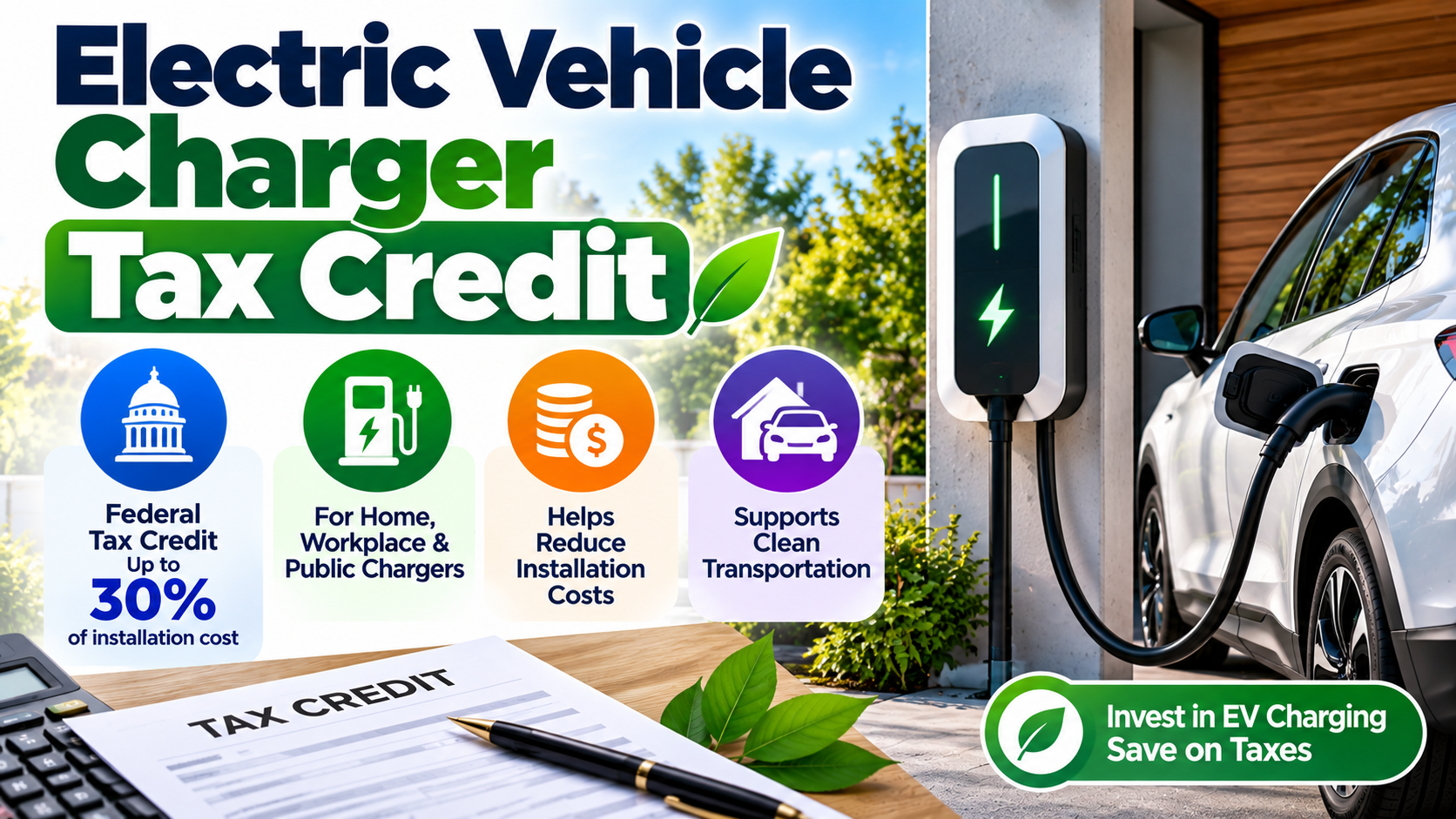
A charger installed this summer may have missed the federal tax credit, even if you ordered it months earlier. As of September 2026, the Section 30C electric vehicle charger tax credit is unavailable for property placed in service after June 30, 2026.
If your equipment was ready for use by that date, you may still qualify under the rules for its tax year. If it wasn’t, separate state, local, or utility incentives may still be available. The decision starts with five checks: timing, location, equipment, eligible costs, and filing records.
How the electric vehicle charger tax credit works in 2026
The federal incentive is the Section 30C Alternative Fuel Vehicle Refueling Property Credit. It applies to qualifying charging property installed and placed in service by June 30, 2026. The IRS credit guidance also sets location and property requirements that must be met before a taxpayer can claim it.
Placed in service is the date to verify. An order confirmation, deposit, or start of electrical work doesn’t establish that date on its own. If work crossed the June 30 cutoff, check the applicable IRS instructions and your installation records before treating the property as eligible. Equipment placed in service after the deadline doesn’t qualify under Section 30C.
Who could claim the credit, and what costs counted?
Individuals could claim the credit for qualifying charging property at a principal residence. Businesses could claim it for eligible property used in their operations. Some organizations had separate rules, so the type of taxpayer matters as much as the charger itself.
Eligible costs may include the charging item, essential components, and installation labor directly attributable to that item. Conduit or wiring needed for a charging port may count. A broad electrical renovation doesn’t become eligible simply because the contractor installed a charger during the same project.
The credit amount depended on the property and taxpayer
For qualifying personal-use property, individuals could generally claim 30% of eligible costs, up to $1,000 per item. Businesses generally received 6%, up to $100,000 per item. Business property could qualify for a 30% rate when the applicable prevailing-wage and apprenticeship requirements were met.
The cap applies to each qualifying item, not automatically to the entire site. It’s also a tax credit calculated on a return, not a flat rebate paid when the installer finishes.
Check the location rules before claiming a charger credit
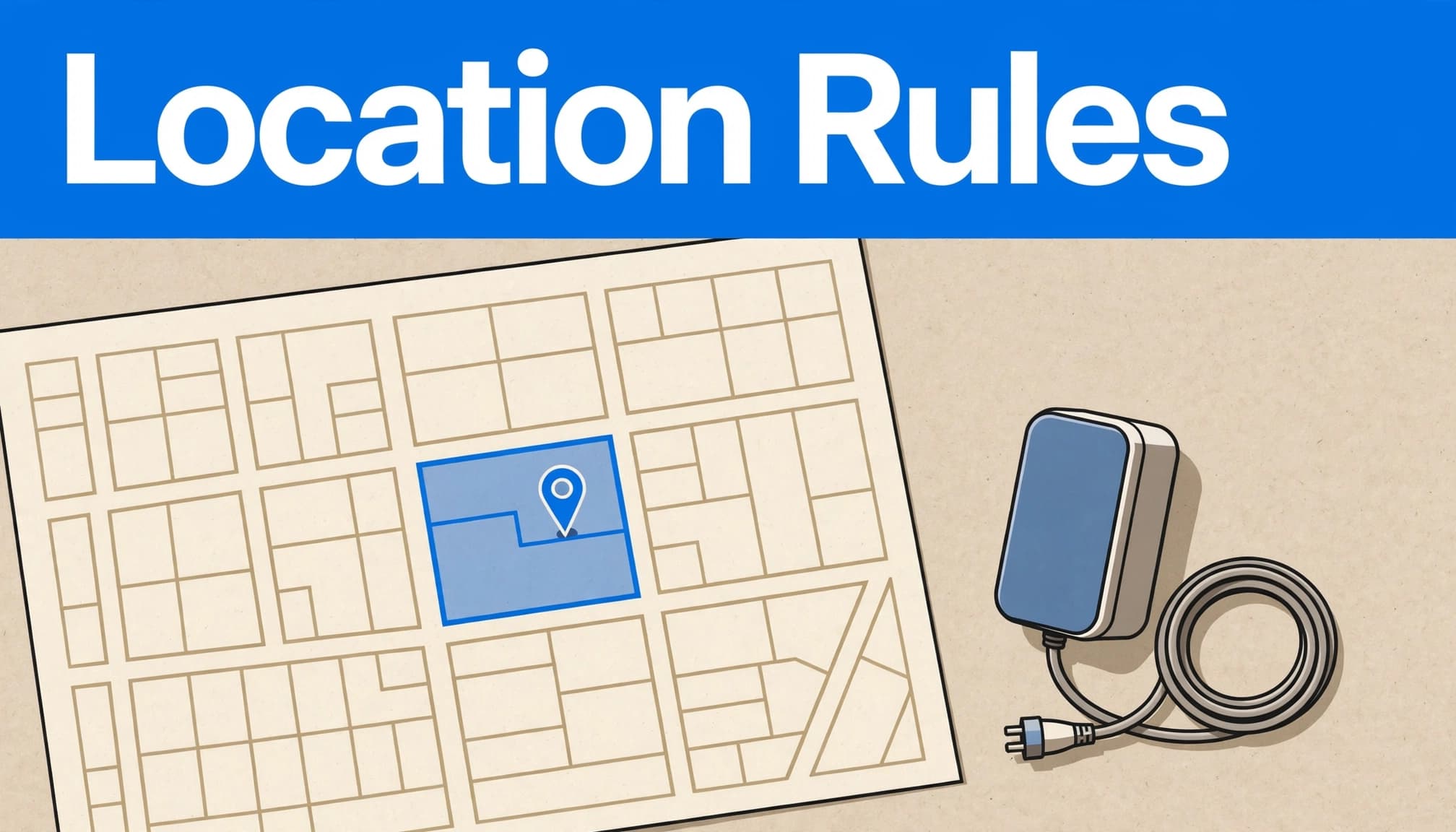
A qualifying charger had to be installed in an eligible census tract. That requirement applied to residential and business property. Under Section 30C, the location generally had to be in a low-income community census tract or a qualifying non-urban census tract.
A state incentive map won’t answer this federal question. Neither will a ZIP code: ZIP codes and census tracts are different geographic units. Check the address against the IRS census tract guidance for the applicable year, then retain the result with your tax records. The IRS instructions for Form 8911 and its schedules explain the information used to support an eligible item and its location.
What counts as an eligible charging item?
A charging port can be a qualifying item. Section 30C also covers certain alternative-fuel dispensers and energy storage property, but those categories don’t make every component of an EV project eligible.
Match the equipment and directly related installation costs to the IRS definitions. For a project with several ports, item-level records matter because the credit limit applies per qualifying item. Ask the installer for enough detail to separate each charging item from general site work.
Keep records that support the location and installation date
Save dated equipment invoices, contractor bills, proof of payment, and documents showing the installation address. Installation, inspection, and commissioning records can help establish when the property was ready for use.
Keep the charger model, port count, and cost breakdown as well. Together, these records support two separate claims: that the property was placed in service on time and that its actual location met the census tract rule. An invoice with only a ZIP code may leave an avoidable gap.
Make the installation paperwork useful for tax filing
A contractor’s final invoice is often designed for payment, not a tax return. It may combine the charger, wiring, labor, permits, and unrelated panel work into one total. Request an itemized breakdown while the job details are still available. This makes it easier to identify costs directly traceable to each charging item.
The same paperwork has an operational use. Permits and inspection records document what was installed and when the work was approved. Keep them alongside the equipment specifications rather than relying on a credit card statement alone. For a home project, the steps involved in installing a Level 2 EV charger can include a new circuit, a permit, and an inspection, each with its own record.
A paid invoice can document cost without proving the charger was placed in service by June 30, 2026.
If the installer’s invoice and inspection date differ, don’t select whichever date produces a credit. Review the applicable IRS rules and the full project record. Clear documentation reduces guesswork for you and whoever prepares the return.
How to claim the Section 30C credit on a tax return
For an eligible installation, taxpayers generally use Form 8911 for the tax year the property was installed and placed in service. The IRS Form 8911 page identifies it as the form used to calculate the credit. Use the form revision and instructions that apply to the return you’re filing.
A credit reduces tax under the applicable rules. It isn’t an upfront discount from a charger seller, and the quoted credit percentage isn’t a promise that you’ll receive that amount in cash. Confirm your eligibility and filing position using current IRS guidance or a tax professional, particularly if the project involves business property or multiple charging items.
Start with the item and its location
Work from the property records, not the total contractor invoice. Identify each qualifying item, assign its directly related costs, and confirm its installation address and census tract. Then check the placed-in-service date against the June 30 deadline.
Form 8911 instructions describe a separate Schedule A (Form 8911) for each qualifying item. That item-by-item approach matters at sites with several charging ports. It also helps prevent a single shared project cost from being counted without support.
Filing notes for homeowners, businesses, and organizations
Homeowners and business taxpayers may complete different portions of Form 8911. Businesses also need to assess whether property is depreciable, which credit rate applies, and whether prevailing-wage and apprenticeship rules affect the calculation.
Tax-exempt entities should review the IRS’s Section 30C guidance for tax-exempt entities rather than assuming homeowner filing steps apply. The goal is to match the return, the taxpayer, and each charging item to the correct rules.
Keep federal and local incentives separate in your budget
Section 30C has a federal deadline. State, local, and electric utility programs operate under their own terms. A program may offer a rebate, reduced equipment price, installation support, or another benefit, but its approval doesn’t establish federal tax-credit eligibility.
This distinction matters when you calculate the project cost. Start with the complete quote: charging equipment, electrical work, permits, and any work needed at the parking location. Then check each incentive against that scope. An offer that covers the charger may leave most of the circuit or site work to you.
For a facility with several ports, also check whether a program limits the number of eligible units or requires a particular site configuration. Homeowners should ask whether the offer applies to a new installation, an existing charger, or both. These details belong in the budget before you approve equipment or construction.
Separate the supporting documents, too. Keep federal tax records with the return and preserve each local program’s application, approval, and payment terms. That makes it easier to see which benefit was requested, what it covered, and whether funding was confirmed.
What to do if your charger was installed after the federal deadline
If charging property was placed in service after June 30, 2026, the expired Section 30C credit isn’t available for it. Your next step is to check programs run by your state energy office, city or county, and electric utility. Availability varies by location and program funding.
Use official program pages before you purchase equipment. Look for eligibility dates, application windows, supported charger models, installation requirements, and the point when you must apply. Local permits can be a separate requirement; the rules for U.S. EV charging station installations may involve several authorities even when a rebate comes from only one.
Compare incentives before choosing equipment or an installer
Some programs require approved equipment, a licensed installer, or pre-approval before work begins. Others set an application deadline or restrict funding to certain customers or sites. Get the current terms in writing when possible, and confirm that your planned installation fits them.
Compare the full installed price, not the charger’s shelf price. Circuit length, available electrical capacity, permits, and site work can change the total. A practical review of EV charging equipment and installation costs can help you ask for a quote that covers the whole job.
Avoid common filing and incentive mistakes
Older articles may still describe a 2032 federal end date. The IRS instructions now state that property placed in service after June 30, 2026, can’t qualify. Check the publication date and the current IRS instructions before using any deadline in a purchase decision.
Don’t substitute the date you ordered, paid for, or began installing equipment for the placed-in-service date. And don’t treat a utility rebate as proof of federal eligibility. Keep the installation records and each program’s approval documents so the two determinations stay separate.
The deadline is the first check
The federal Section 30C charger credit ended for property placed in service after June 30, 2026. Eligible earlier installations may still qualify under the rules for their tax year.
Check the date, census tract, charging items, eligible costs, and per-item limits before filing Form 8911. For a later installation, check current state, local, and utility programs instead. An accurate project record gives you a sound basis for either path.