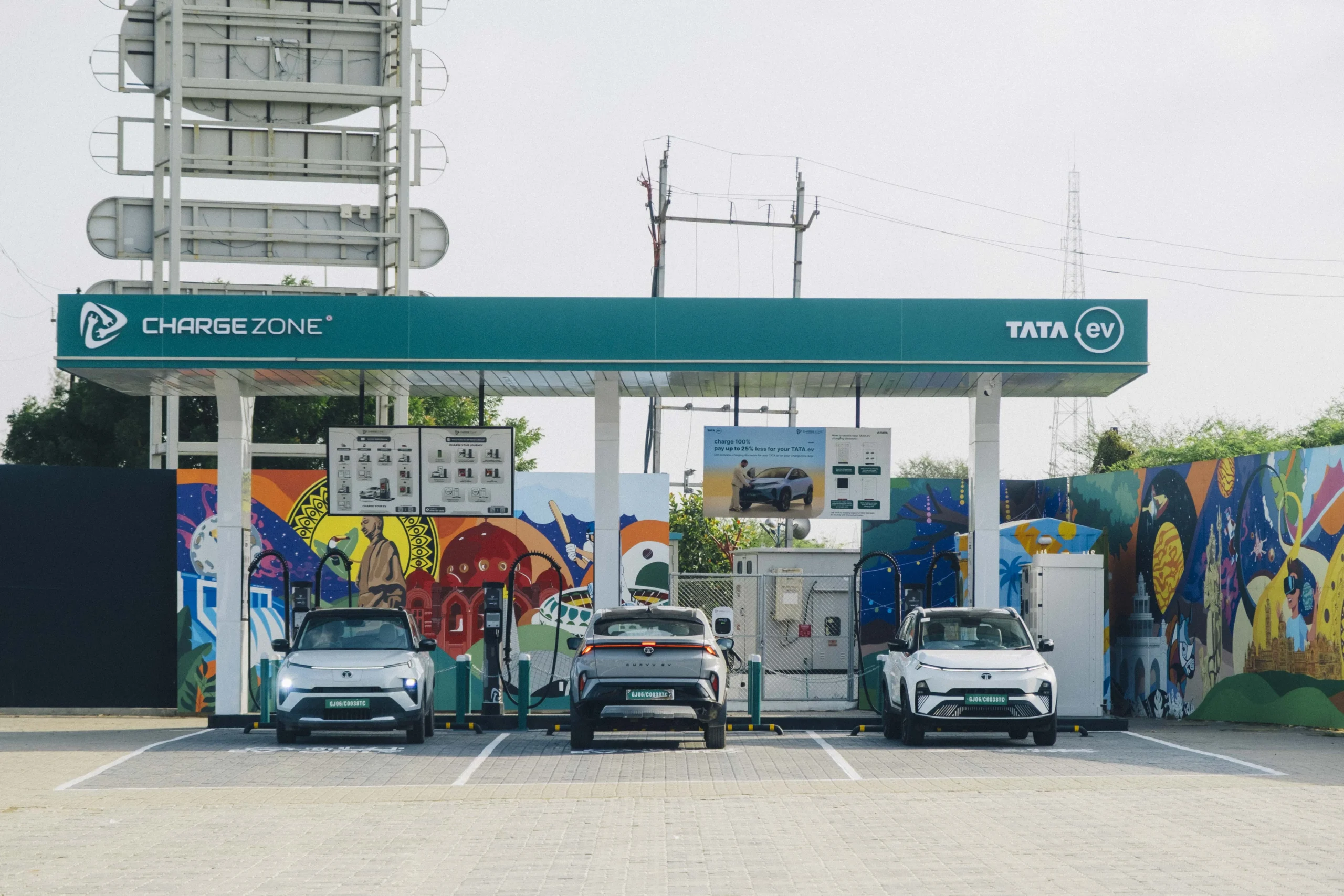
Electric Vehicles (EVs) are transforming India’s transportation system faster than ever before. With rising fuel prices, strong government support, and growing awareness of climate change, electric vehicles in India are no longer the future—they are the present.
What Are Electric Vehicles?
Electric vehicles (EVs) are vehicles that run on electricity instead of petrol or diesel. They use electric motors powered by rechargeable batteries, offering clean, quiet, and efficient mobility.
Types of Electric Vehicles in India
- Battery Electric Vehicles (BEVs): Fully electric (most common in India)
- Plug-in Hybrid Electric Vehicles (PHEVs): Limited availability
- Hybrid Electric Vehicles (HEVs): Petrol + electric motor
- Electric Two-Wheelers & Three-Wheelers: Backbone of India’s EV growth
Why Electric Vehicles Are Growing Rapidly in India
India is one of the world’s fastest-growing EV markets. Here’s why:
1. Rising Fuel Prices
Petrol and diesel prices remain high across Indian states, making EVs far cheaper to run per kilometre.
2. Government Support & Policies
- FAME-II subsidies
- Reduced GST on EVs (5%)
- Road tax and registration fee exemptions in many states
- State-level EV policies (Delhi, Maharashtra, Tamil Nadu, Gujarat, etc.)
3. Lower Running & Maintenance Cost
- Electricity costs ₹1–₹1.5 per km (approx.)
- Minimal maintenance compared to ICE vehicles
- No engine oil, clutch, or gearbox issues
4. Urban Pollution & Climate Goals
EVs produce zero tailpipe emissions, helping combat air pollution in Indian cities.
How Electric Vehicles Work
Electric vehicles operate using a battery pack that stores electrical energy. This energy powers an electric motor, which drives the wheels.
Main EV Components
- Lithium-ion battery pack
- Electric motor
- Power inverter
- Onboard charger
- Regenerative braking system
When braking, EVs recover energy and recharge the battery—perfect for stop-and-go Indian traffic.
EV Charging Infrastructure in India
Charging infrastructure in India is expanding rapidly across metros, highways, and smart cities.
Types of EV Charging in India
- Home Charging (AC): Most convenient and affordable
- Public AC Chargers: Offices, malls, parking areas
- DC Fast Chargers: Highways and urban hubs (30–60 minutes)
Where Can You Charge an EV in India?
- Residential apartments
- Office parking
- Shopping malls
- Petrol pumps (select locations)
- National highways and expressways
Electric Vehicles Range: Is It Enough for India?
Modern EVs in India typically offer:
- Electric scooters: 80–150 km
- Electric cars: 250–500 km
- Electric buses: 200–350 km
Factors Affecting EV Range
- Driving speed and traffic
- Weather and AC usage
- Road conditions
- Vehicle load
For daily commuting, EV range is more than sufficient for most Indian users.
Electric Vehicles vs Petrol/Diesel Vehicles in India
| Feature | Electric Vehicles | Petrol/Diesel Vehicles |
|---|---|---|
| Fuel Cost | Very Low | High |
| Maintenance | Low | High |
| Emissions | Zero | High |
| Noise | Silent | Noisy |
| Long-Term Cost | Lower | Higher |
Electric Two-Wheelers: India’s EV Game Changer
Electric scooters and bikes dominate India’s EV market due to:
- Affordable pricing
- Easy home charging
- Low running cost
- Ideal for urban travel
They are especially popular among students, delivery services, and daily commuters.
Electric Cars in India: Growing Fast
Electric cars are gaining popularity in metro cities thanks to:
- Improved driving range
- Better charging availability
- Lower ownership cost over time
EVs are now being considered not just as eco-friendly options, but as smart financial decisions.
Are Electric Vehicles Environmentally Friendly in India?
Yes. Even when electricity is generated from coal, EVs still produce lower lifetime emissions than petrol or diesel vehicles. As India increases renewable energy (solar & wind), EVs will become even cleaner.
Challenges Facing Electric Vehicles in India
Despite rapid growth, EV adoption still faces challenges:
- Limited fast-charging stations in rural areas
- Higher upfront vehicle cost
- Battery recycling infrastructure still developing
However, government initiatives and private investment are solving these issues quickly.
The Future of Electric Vehicles in India
India’s EV future looks extremely promising.
What to Expect by 2030
- Wider fast-charging network
- Cheaper and longer-lasting batteries
- More affordable EV models
- Electrification of public transport
- Strong domestic EV manufacturing ecosystem
India is on track to become a global EV manufacturing and adoption hub.
Should You Buy an Electric Vehicle in India?
An electric vehicle is ideal if you:
- Travel daily within city limits
- Want to reduce fuel expenses
- Prefer low maintenance vehicles
- Support clean and sustainable mobility
For many Indian households, EVs already make better sense than petrol or diesel vehicles.
Final Thoughts: Electric Vehicles in India
Electric vehicles are redefining mobility in India. With supportive policies, falling battery costs, and expanding charging infrastructure, EVs are becoming the smart, clean, and economical choice for Indian consumers.
Whether it’s a two-wheeler, car, or bus—electric vehicles are powering India’s journey toward a greener future.