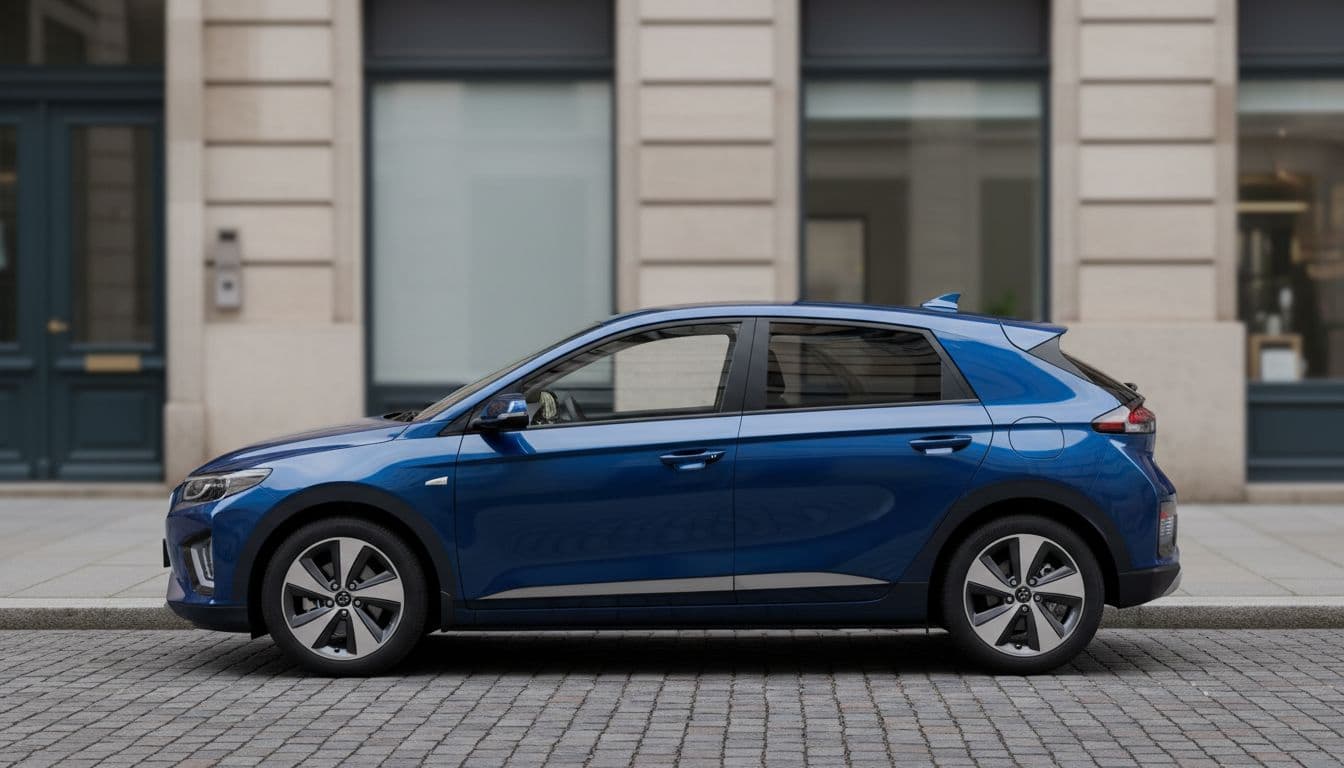
The Hyundai Ioniq 3 debuted in April 2026, and the short answer is simple: it is not coming to the USA right now.
That clear answer hasn’t stopped the search traffic. A lot of Americans want this car because it looks smaller, cheaper, and easier to live with than many EVs on sale here. In a market full of big crossovers and rising prices, a compact Hyundai hatchback feels like water in the desert.
So if you’ve been searching for the Hyundai Ioniq 3 in the USA, here’s what is real, what is missing, and what American shoppers should do instead.
Is the Hyundai Ioniq 3 coming to the USA?
No. As of April 2026, Hyundai has not announced plans to sell the Ioniq 3 in the United States.
That matters because many readers are hoping this is a hidden future launch. It isn’t. There is no U.S. release date, no American price, and no dealer reservation page. Hyundai revealed the car for Europe, where small EVs make more sense in dense cities and tighter parking spaces.
As of April 2026, the Ioniq 3 is a Europe-focused model, not a U.S. launch vehicle.
Why Hyundai is keeping the Ioniq 3 focused on Europe
The reasons are practical. The Ioniq 3 is built in Turkey for European markets, and that shapes everything from cost to logistics. Shipping it to the U.S. would raise costs, and tariff pressure would make a low-priced EV harder to price well.
Hyundai also seems to know exactly what this car is for. The Ioniq 3 is a compact urban EV, built for narrow streets, shorter trips, and buyers who want something easier to park than a midsize crossover. In Europe, that mission fits. In the U.S., Hyundai already has to balance bigger roads, longer highway trips, and a market that still leans toward larger vehicles.
A reported statement from Hyundai Motor America, quoted in How-To Geek’s coverage of the Ioniq 3, says the company currently has no plans to offer it here. That is the clearest public signal American shoppers have.
What “not coming to the USA” means for shoppers right now
It means you shouldn’t wait for a near-term launch. There is no reason to expect U.S. dealer stock this year, and there is no sign of an American order bank opening soon.
Could Hyundai change its mind later? Of course. Automakers adjust plans all the time. Still, there is no official path today. If you’re shopping for an EV in 2026, treat the Ioniq 3 as a car to watch from afar, not one to budget for.
What the Hyundai Ioniq 3 offers in markets where it will be sold
Even if it isn’t headed to America, the Ioniq 3 is easy to understand. Hyundai built it as a smaller, more affordable electric hatchback with a little crossover attitude. It looks modern, promises decent range for its class, and aims at buyers who want style without stepping into a larger, pricier EV.
Size, design, and everyday appeal
The shape is one reason Americans keep searching for it. The Ioniq 3 has a low, sporty roofline, sharp pixel-style lighting, and a compact footprint that feels fresh next to all the tall electric crossovers on sale today.
That smaller size matters in daily life. A car like this is easier to park, easier to place in traffic, and often easier on your wallet. Early reports on the launch timing and expected European pricing point to an entry point in the upper EUR20,000 range, which is part of the reason it has drawn so much attention outside Europe.
For American buyers, the appeal is obvious. Many people don’t want a huge EV. They want something tidy, efficient, and attractive, something that fits in a city garage without feeling stripped down.
Battery, range, power, and charging in simple terms
Here’s the quick snapshot of what is known so far.
| Version | Battery | Power | Claimed WLTP range |
|---|---|---|---|
| Standard Range | 42.2 kWh | 147 hp | about 213 to 214 miles |
| Long Range | 61.0 kWh | 135 hp | up to 308 miles |
Both versions use front-wheel drive and a 400-volt setup. Hyundai has also said AC charging can go up to 22 kW in some markets, and the DC fast-charge curve is aimed at usable everyday speed rather than headline-grabbing numbers.
The key caution is simple: WLTP range is not EPA range. European testing usually gives higher figures than the U.S. EPA cycle. So if you’re in America, don’t read 308 miles and assume that is what a U.S. sticker would say.
Cabin tech and safety features that help it punch above its size
Inside, the Ioniq 3 appears to aim for a roomy feel rather than a flashy one. That is smart. Small cars win people over when they feel open, practical, and easy to use.
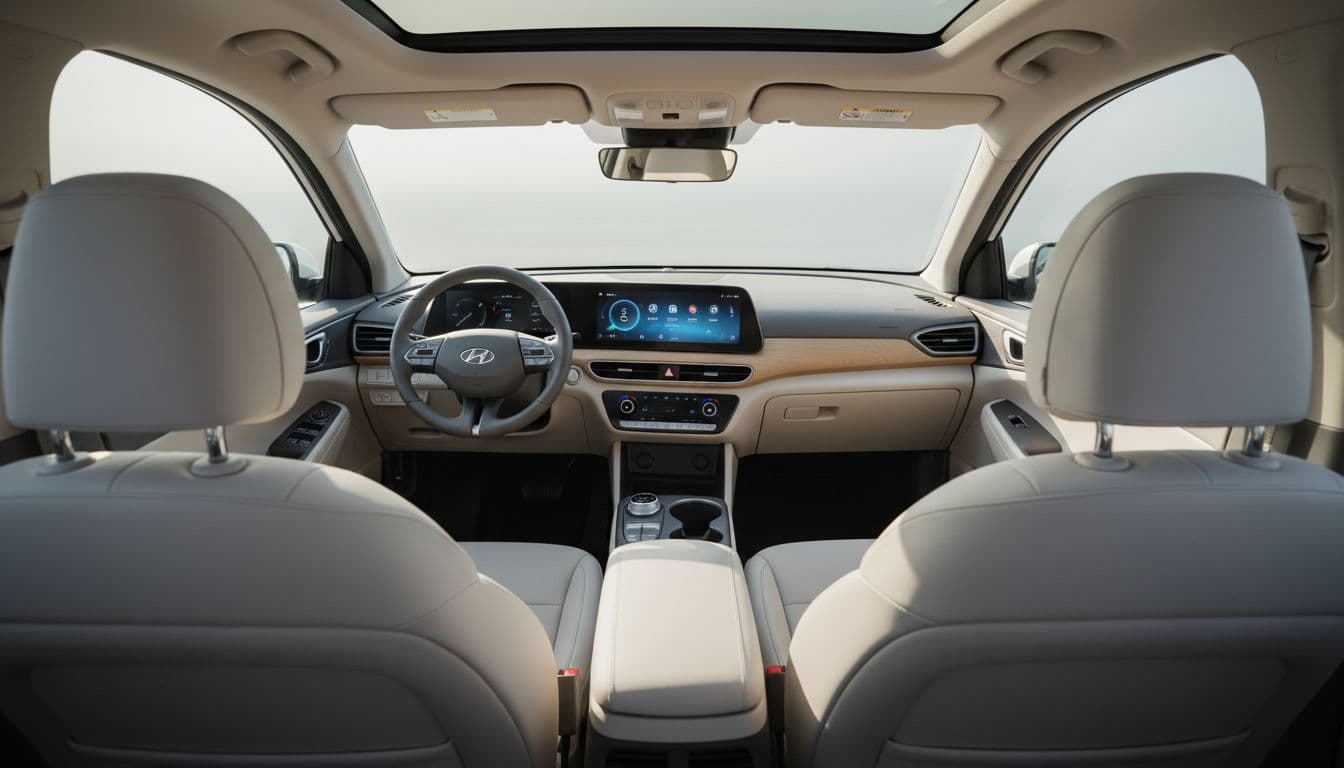
Hyundai says the cabin seats five, and the design leans toward clean lines and everyday function. Expect a straightforward screen layout, familiar connected features, and SmartSense driver-assist tech. For families or commuters, that matters more than a long feature list. Comfort, visibility, and a simple dash often make the bigger difference after six months of ownership.
How the Ioniq 3 compares with the Ioniq 5 and Ioniq 6 in the US market
For Americans, the best way to understand the Ioniq 3 is to place it below the Ioniq 5 and Ioniq 6. It would likely be the cheaper, smaller, slower member of the family.
Why the Ioniq 3 would have been the budget-friendly entry point
The Ioniq 5 is a roomy family-focused crossover. The Ioniq 6 is a sleek sedan built around efficiency and long-range highway use. The Ioniq 3, by contrast, looks like Hyundai’s would-be entry ticket for buyers who want the brand’s EV design language in a smaller, lower-cost package.
That gap matters in the U.S. because affordable EV choices still feel thin. A compact Hyundai hatchback with a decent battery and modern styling could have landed well with first-time EV buyers, renters, and commuters who don’t need 300-plus real-world highway miles.
Where the Ioniq 5 and Ioniq 6 are still stronger choices
Still, the current U.S. models are stronger in the ways many Americans care about most. The Ioniq 5 and Ioniq 6 offer more power, more road presence, and better long-distance comfort. They also benefit from Hyundai’s 800-volt hardware in U.S. trims, which gives them a charging edge that the 400-volt Ioniq 3 likely wouldn’t match.
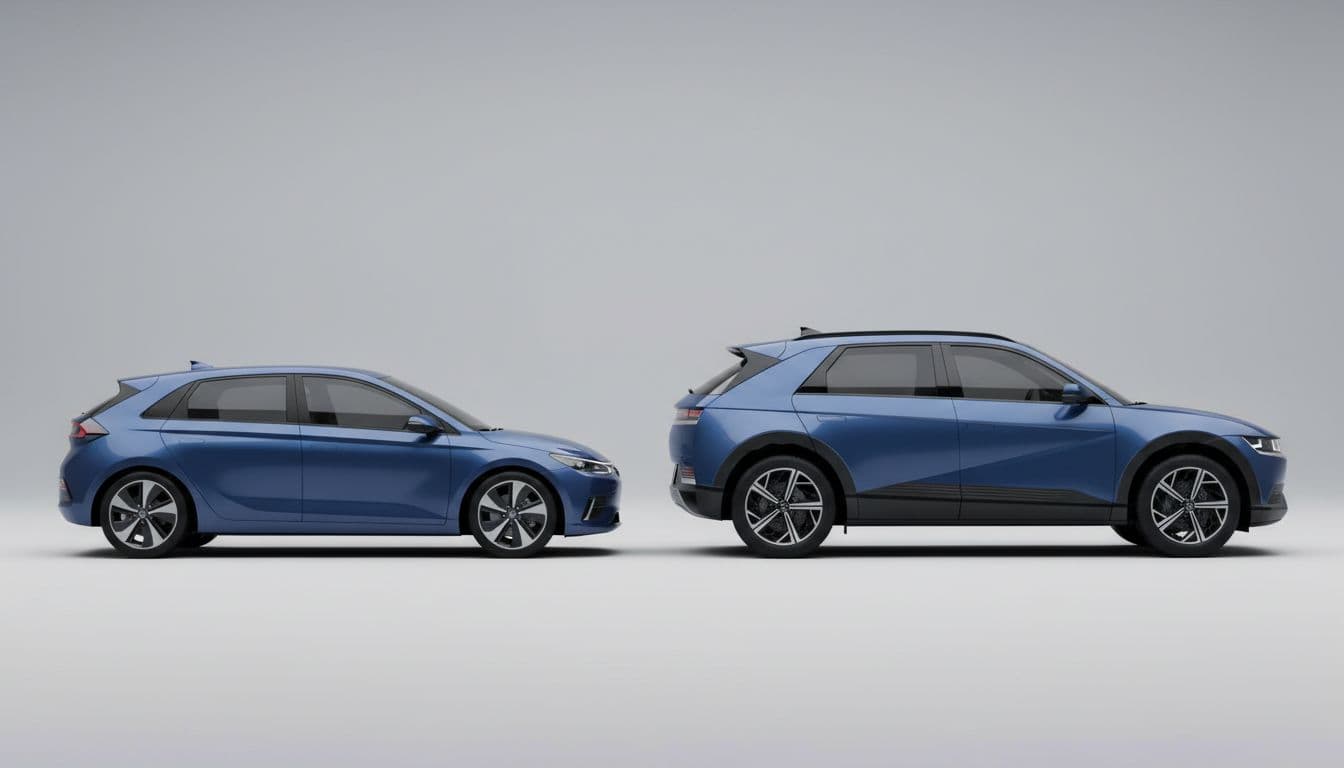
If charging speed and highway range sit high on your list, the bigger Hyundai EVs still make more sense here. A good look at Hyundai Ioniq 6 battery performance also shows how far the current U.S. lineup already goes in efficiency and charging strength.
So yes, Americans are missing out on something appealing. But they are not left with weak alternatives.
Should US buyers wait for the Hyundai Ioniq 3 or move on?
For most shoppers, moving on is the smart call. The Ioniq 3 is interesting, but interest doesn’t put a car on a dealer lot.
Who would have loved this car in America
This car has a clear audience here. First-time EV buyers would like its likely lower price. City drivers would like its smaller size. Daily commuters would like the promise of good efficiency without stepping into a large SUV.
It also would have appealed to buyers who miss the old logic of hatchbacks. You get a shorter body, usable cargo space, and easier street parking. In the U.S., that formula still has fans, even if automakers don’t always build for them.
Smarter next steps for shoppers in the US
Base your buying plan on what you can actually test-drive. That means looking at the Ioniq 5, Ioniq 6, Kona Electric, and other compact EVs already sold in America. It also helps to compare efficiency, because a smaller battery doesn’t always mean a better ownership experience. A broader EV efficiency chart can help put today’s options in context.
At the same time, keep an eye on Hyundai’s bigger strategy. Reports on Hyundai’s push toward smaller, more affordable EVs show the company knows this part of the market matters. That doesn’t create a U.S. launch for the Ioniq 3, but it does suggest Hyundai sees demand for lower-cost electric cars.
For now, though, a wait-and-hope strategy doesn’t make much sense. Buy the car that fits your life now, not the one the American market doesn’t have.
Final thoughts
The Hyundai Ioniq 3 is real, new, and easy to like. But as of April 2026, it is not planned for the U.S. market.
The reasons are clear enough: Europe-first design, production in Turkey, and cost pressure tied to bringing a low-priced EV across to America. If Hyundai changes course, official news will say so. Until then, the Ioniq 3 is a car Americans can admire, not buy.