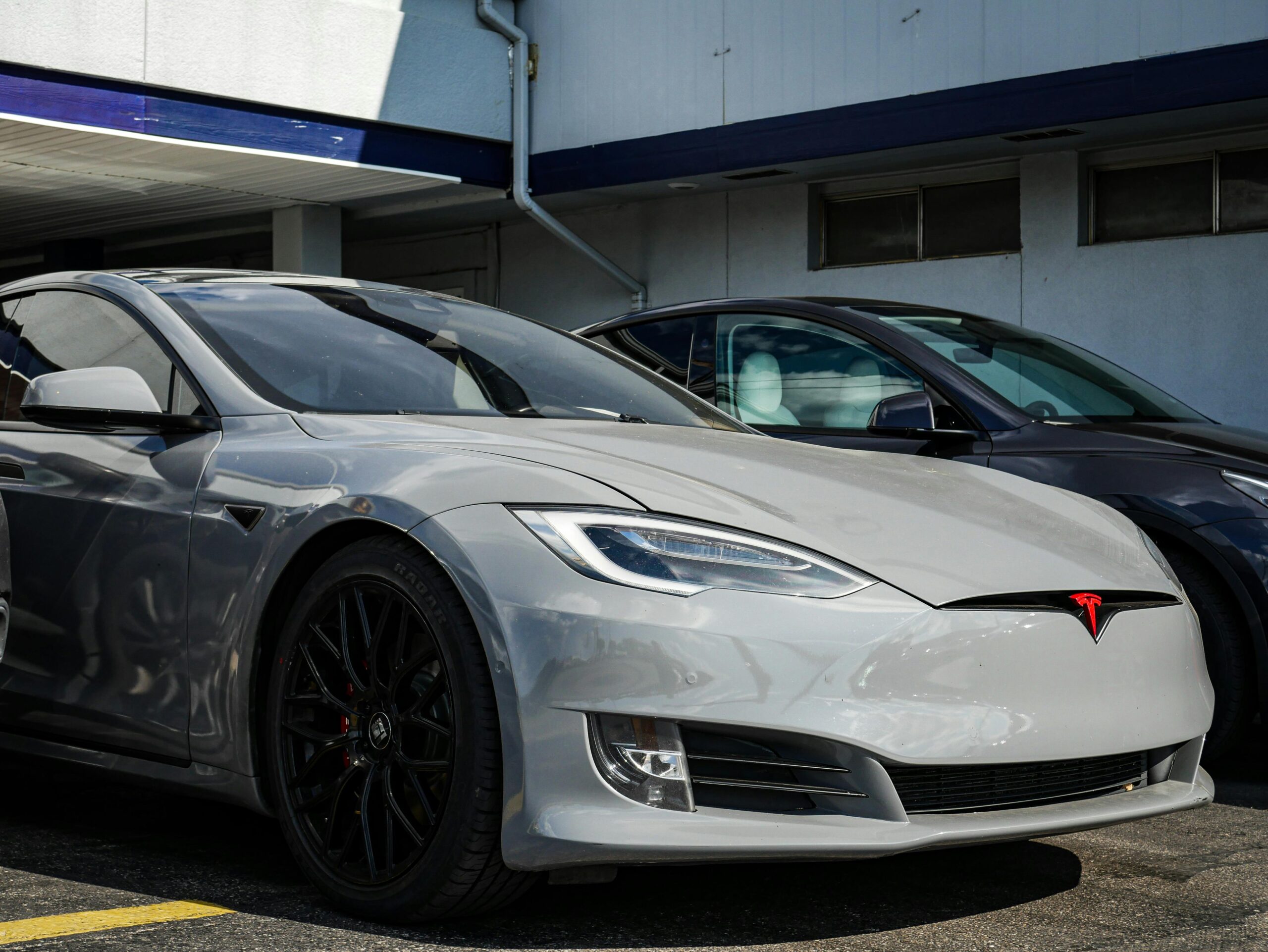
Tesla car issues 2025 have become a major topic of discussion as Tesla faces new recalls, safety probes, and growing concerns over build quality and driver-assist systems. From battery-related recalls to Autopilot scrutiny, Tesla owners and EV buyers are paying close attention to what’s happening next.
The world’s most valuable electric vehicle brand is once again under the spotlight. In 2025, Tesla has faced a wave of safety investigations, recalls, and regulatory challenges that are raising serious questions among EV buyers, investors, and existing owners.
From door safety concerns and software-related recalls to increased scrutiny of self-driving claims, here’s a complete, Google Discover–optimized breakdown of the latest Tesla car issues in 2025 — explained in simple, reader-friendly terms.
Why Tesla Car Issues Are Trending in 2025
Tesla vehicles are known for innovation, over-the-air updates, and cutting-edge software. However, this same complexity has led to:
-
More software-driven recalls
-
Safety investigations by regulators
-
Ongoing debates around Autopilot and Full Self-Driving (FSD) claims
In 2025, multiple issues surfaced almost simultaneously, making Tesla one of the most talked-about automakers in global EV news.
Major Tesla Recalls Reported This Year
Battery Power Loss Concerns
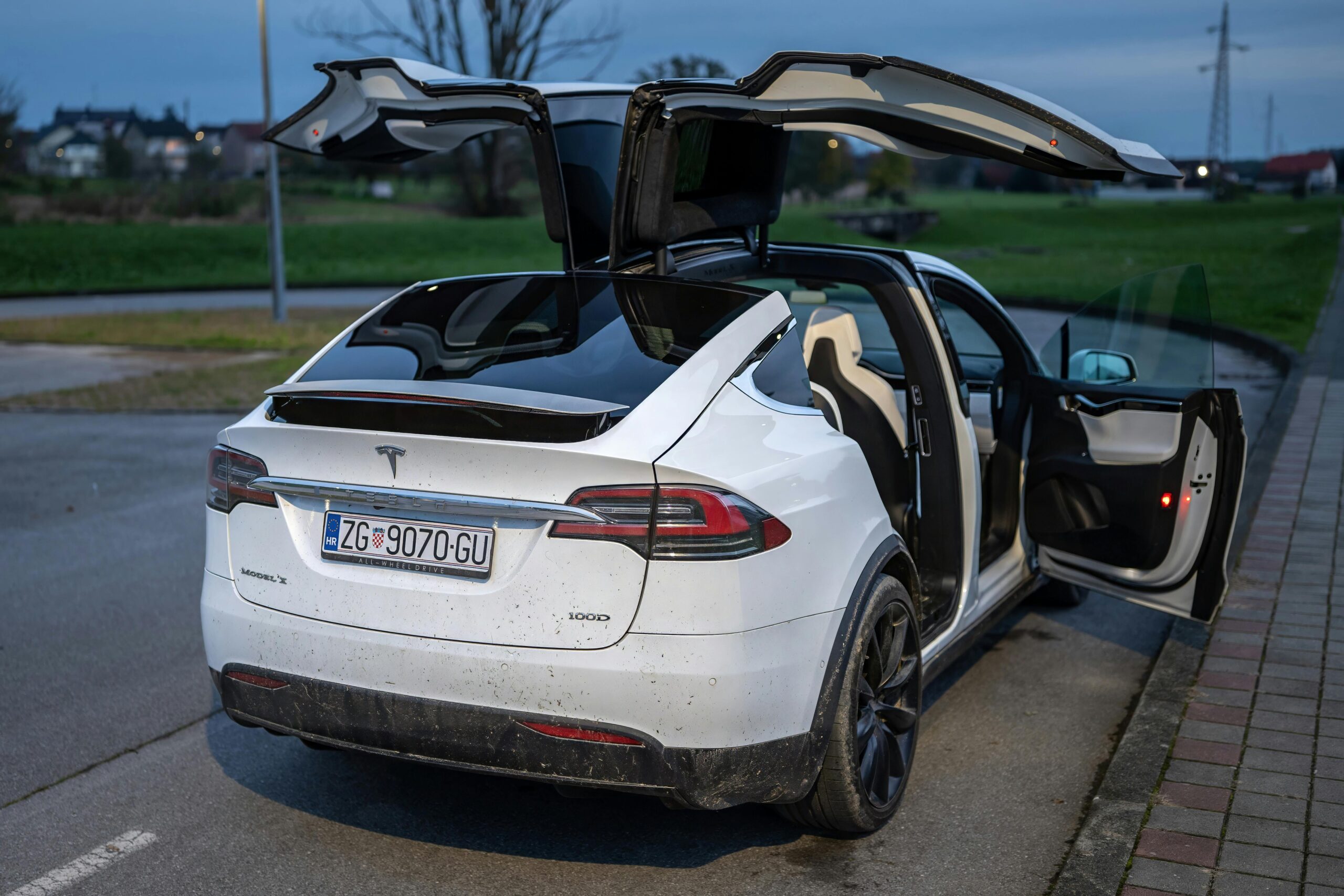
Tesla issued recalls for select Model 3 and Model Y vehicles due to a battery pack contactor defect. In rare cases, the issue could lead to sudden loss of drive power, increasing the risk of accidents.
What Tesla did:
- Identified affected VINs
- Offered free inspections and part replacements
- Rolled out service updates through Tesla Service Centers
Rearview Camera Malfunctions
Another recall involved rearview camera feed failures, where the display could go blank or freeze while reversing — a serious safety risk, especially in urban driving.
Models affected:
Model 3, Model Y, Model S, and Model X (select production batches)
Tesla Door Safety Issues Spark Investigation
One of the most concerning developments in 2025 has been the investigation into Tesla door handle and emergency release mechanisms.
What’s the issue?
-
Tesla doors rely heavily on electronic latches
-
After severe crashes or power loss, doors may not open electronically
-
Manual emergency releases exist but can be hard to locate or operate, especially for rear-seat passengers
This prompted US safety regulators to open defect investigations, particularly focused on Model 3 vehicles.
Autopilot & Full Self-Driving Under Pressure
Tesla’s driver-assistance systems remain one of its biggest selling points — and biggest controversies.
Key concerns in 2025:
-
Vehicles allegedly running red lights or violating traffic rules
-
Drivers misunderstanding system limitations
-
Marketing language suggesting more autonomy than currently delivered
Regulators have emphasized that:
Tesla Autopilot and FSD are driver-assist systems — not fully autonomous.
This has led to increased scrutiny of Tesla’s advertising, user interface warnings, and driver monitoring systems.
Build Quality & Reliability Complaints
Beyond recalls and investigations, many Tesla owners continue to report quality-related problems, including:
-
Panel gaps and inconsistent fit-and-finish
-
Suspension and steering noise
-
Infotainment system glitches
-
Premature tire wear
Independent inspection reports in 2025 showed higher defect rates for some Tesla models compared to traditional automakers, especially during early ownership periods.
Cybertruck Issues Add to the Headlines
Tesla’s futuristic Cybertruck also faced multiple recalls:
-
Exterior lighting brightness concerns
-
Software calibration issues
-
Early production quality adjustments
While most problems were fixed via over-the-air updates, they contributed to Tesla’s growing recall count in 2025.
What Tesla Owners Should Do Right Now
If you own a Tesla, here are some practical steps:
✅ Check your VIN for recalls via Tesla’s official website
✅ Install software updates promptly — many fixes are OTA
✅ Learn the manual door release locations (especially rear seats)
✅ Understand Autopilot/FSD limitations and stay alert while driving
Are Tesla Car Issues Unusual?
It’s important to note:
-
Tesla issues more recalls, but many are software-based
-
Traditional automakers often issue fewer recalls, but with hardware-heavy fixes
-
Tesla’s transparency and OTA updates can reduce inconvenience — but not eliminate safety concerns
What This Means for the EV Industry
Tesla’s challenges highlight a broader industry shift:
-
Cars are becoming software-first machines
-
Safety regulations are evolving with automation
-
Consumer awareness is growing rapidly
Other EV manufacturers are closely watching Tesla’s experience as a roadmap — and a warning.
Final Verdict: Should You Be Worried?
Tesla remains a technology leader in the EV market, but 2025 has exposed real weaknesses in safety design, quality control, and communication.
For buyers:
Tesla cars are still compelling — but require informed ownership.
For owners:
Stay updated, proactive, and educated about your vehicle.