People don’t obsess over Tesla batteries because they love chemistry. They care because the battery controls range, charging time, winter performance, resale value, and that quiet feeling that the car will still work years from now.
Here’s the part that trips many buyers up in 2026: Tesla doesn’t use one “Tesla battery.” Depending on the model, trim, factory, and year, you may get LFP (lithium iron phosphate), a nickel-based pack (often NCA or NMC), or a vehicle built around newer 4680 cells. The pros and cons change with that choice.
This guide breaks it down in plain terms, with a practical focus on commuting, road trips, hot and cold weather, and long-term ownership.
The basics: what kind of Tesla battery is in your car and why it matters
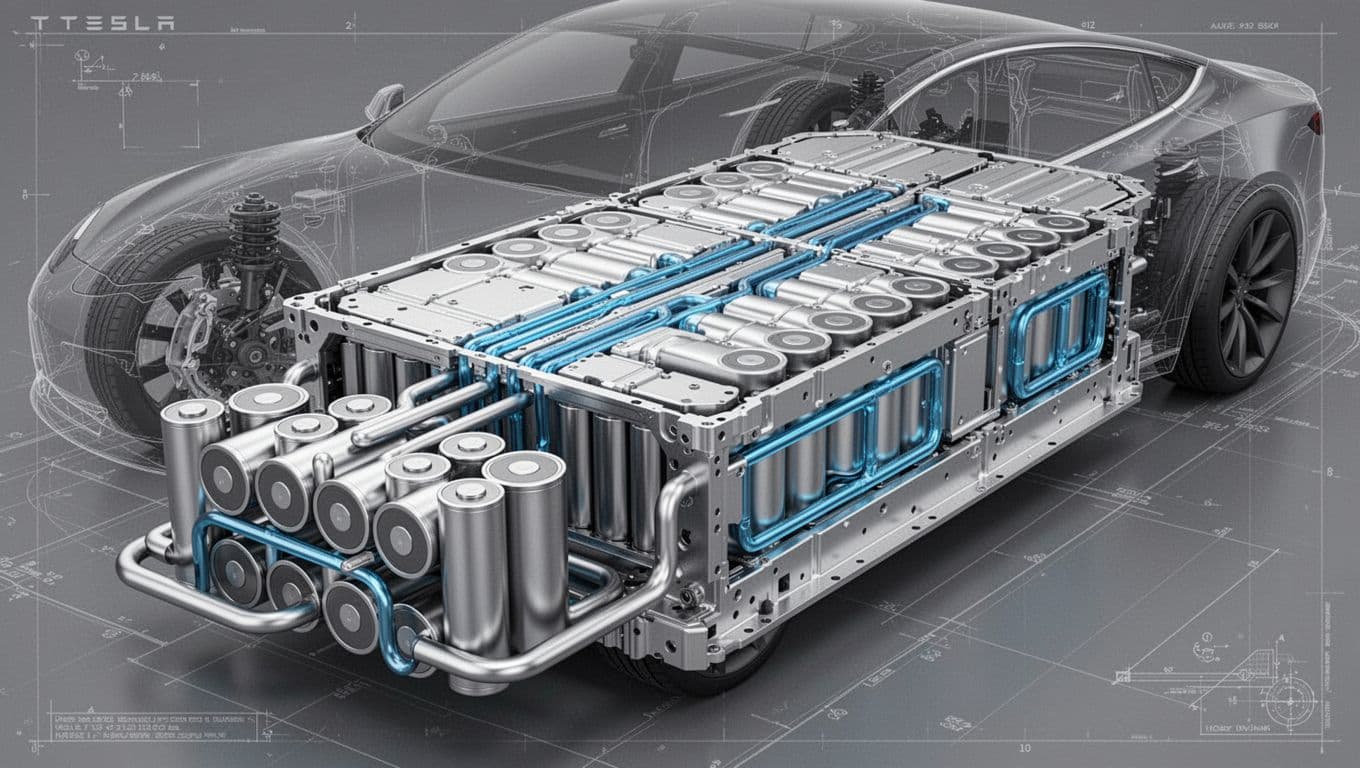
A Tesla battery pack is a sealed metal case under the floor. Inside are thousands of lithium-ion cells, plus sensors, fuses, and liquid cooling lines. Think of it like a high-power thermos. It stores energy, but it also has to stay in a safe temperature window.
Battery “chemistry” matters because it changes three things you feel as a driver:
- How far you go per charge (energy density and efficiency).
- How fast it charges (charging curve, heat, and voltage limits).
- How it ages (how much capacity it loses after years of use).
Tesla software smooths a lot of differences, but it can’t break physics. Cold slows the chemical reactions in any lithium pack, so range drops and charging slows until the pack warms. Heat speeds up unwanted side reactions, which can raise long-term wear. That’s why thermal management and charging habits matter almost as much as the chemistry label.
If you want a quick hint without decoding VINs: in 2026, many base Model 3 and Model Y trims use LFP packs, while long-range and performance trims often use nickel-based packs. Tesla’s 4680 cells show up most clearly in newer architectures and trucks, with real-world behavior depending on the specific pack version.
LFP vs. nickel-based batteries, the simple trade-offs
LFP (lithium iron phosphate) uses iron and phosphate in the cathode. Nickel-based packs (often NCA or NMC) use more nickel, and sometimes cobalt or manganese, depending on the design. You don’t need a materials science degree to understand the trade.
Here’s the practical comparison most owners care about:
| What you care about | LFP (often standard-range) | Nickel-based (often long-range/performance) |
|---|---|---|
| Daily charge habit | Often comfortable at 100% more often | Usually happier at 80 to 90% day to day |
| Cycle life (how many full uses) | Typically very high | Typically lower than LFP |
| Cold weather behavior | Can feel more sluggish when cold | Often, better cold power and charging |
| Range potential | Usually lower for the same size | Often higher energy density |
| Safety stability | Generally more stable | Still safe, but chemistry can be more reactive |
If you want a deeper, owner-focused explanation of why LFP has become popular, see Recurrent’s overview of why LFP batteries are showing up in more EVs.
What “4680 cells” change, and what they don’t
“4680” describes a larger cylindrical cell format. The goal is simple: fewer cells and welds, better heat flow, and lower manufacturing cost per kWh. In theory, that can improve efficiency and durability because the pack can move heat out faster and keep cell temperatures more even.
Still, 4680 is not magic by itself. Your charging speed and road trip time depend more on:
- Pack design (cooling plate layout, sensors, contactors).
- Software limits (how Tesla shapes the charge curve).
- Temperature (warm pack charges faster, cold pack protects itself).
- State of charge (charging slows high up, no matter what cells you have).
If you want a high-level refresher on how chemistry and pack control affect battery life, this 2026 explainer on Tesla battery chemistry and longevity covers the basics in approachable language.
Gotcha: “Peak kW” is a headline number. The average charge rate over the whole stop matters more.
Tesla battery pros that show up in everyday driving
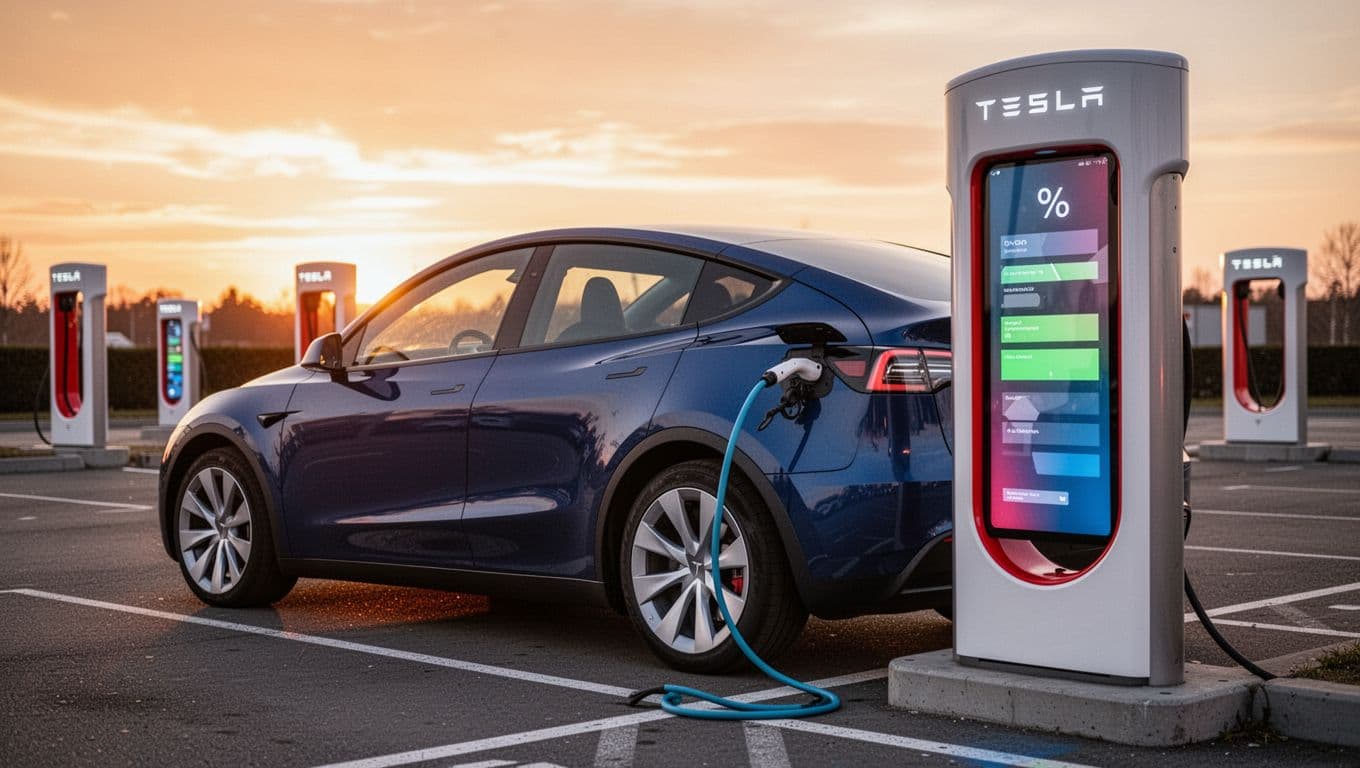 Fast charging at a highway-style EV station, created with AI.
Tesla batteries get judged on road trips, but most owners feel the benefits on regular days. If your commute is 20 to 60 miles, the battery rarely feels “worked.” That’s part of why many people report that the fear of battery wear fades after a few months.
What stands out in daily use is a mix of battery behavior and system integration. Tesla tends to pair the pack with efficient motors, strong thermal control, and routing that plans charging automatically. As a result, the battery feels less like a fragile gadget and more like a durable fuel tank you refill at home.
Strong lifespan and slower battery wear than many people expect
Battery degradation is just lost capacity over time. In other words, a 300-mile car might become a 285-mile car after years of use. That sounds scary until you realize two things.
First, most degradation happens early, then slows. Second, many drivers don’t need the full rated range each day anyway.
In 2026, LFP packs also deserve special mention. In general terms, LFP can handle a very large number of charge cycles, often quoted at 3,000-plus equivalent cycles in broader industry discussions, and sometimes more under gentler use. Nickel-based packs can also last a long time, but they tend to reward more careful daily charging habits.
If you like to sanity-check energy use and range expectations by model, this internal guide on Tesla battery energy use per model helps you translate “kWh” into real driving.
Good real-world range, plus a charging network that lowers stress
Range is the battery’s raw capability. Charging is the experience of keeping that capability usable. Tesla batteries benefit because the ecosystem reduces friction.
For errands, you mostly charge at home and start each day with the range you need. For trips, Tesla routing typically pre-selects stops and estimates arrival percentage. That reduces mental math, especially if you’re new to EV travel.
The battery also benefits from this planning. When navigation knows you’re heading to a fast charger, the car can warm the pack ahead of time. That helps charging speed and can reduce stress on the cells during the session.
For a broader look at how EVs hold up over time, including battery durability as a reliability factor, this overview of EV battery lifespan and long-term reliability gives useful context.
Fast charging when conditions are right
Many Tesla models can reach very high peak DC fast charging rates (often up to about 250 kW on V3 Superchargers). The key word is “peak.” You only see that rate in a narrow window.
To get the best charge session, three conditions help:
Arrive with a low state of charge (often 10 to 20 percent). Use navigation so the car preconditions the pack. Also, avoid expecting 80 to 100 percent to be fast, because charging always slows near the top.
Charging is like pouring beer into a glass. At first, you can pour quickly. Near the top, you slow down to avoid overflow. The battery works the same way because the cells need more careful control at higher voltage.
Tesla battery cons you should know before you buy or keep one long-term
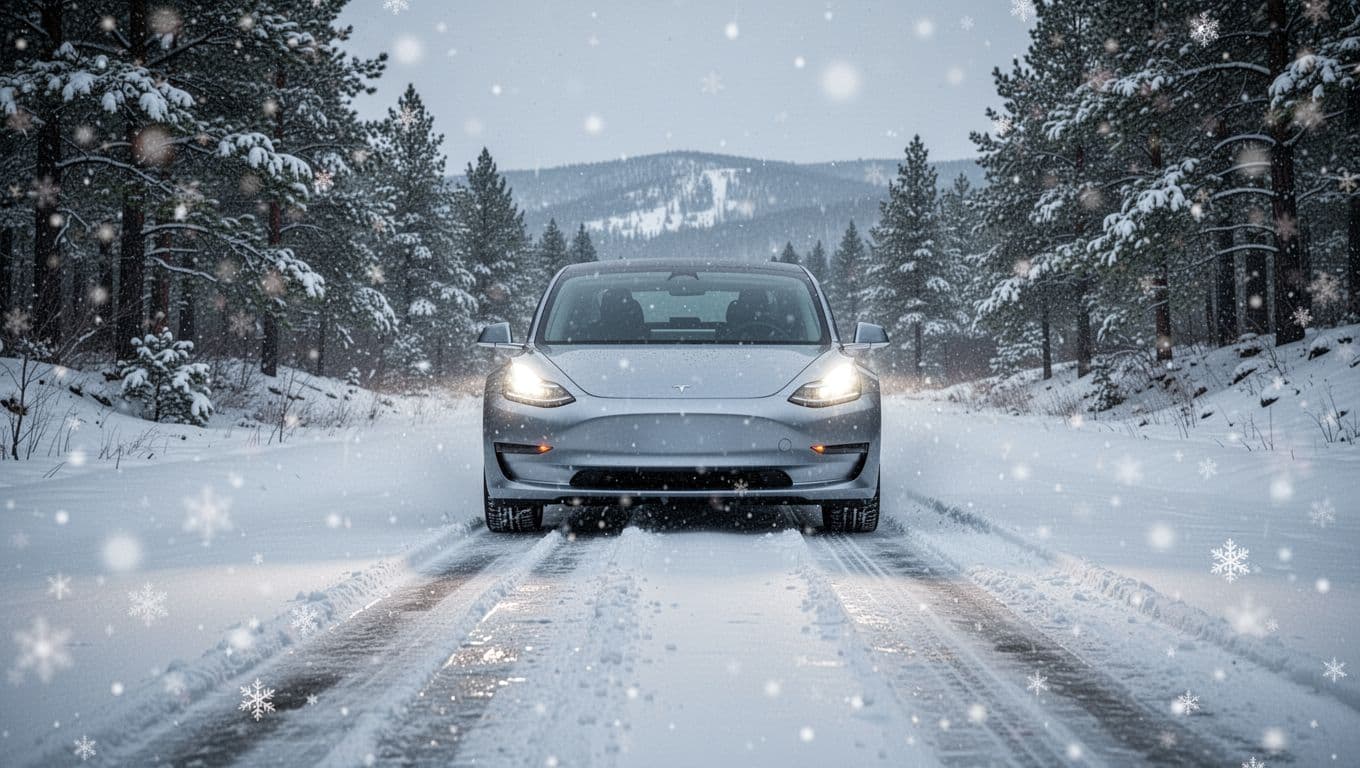 Cold-weather driving where EV range and charging can change, created with AI.
Tesla batteries are strong, but they aren’t carefree in every condition. The main drawbacks usually fall into four buckets: cost if something goes wrong, weather sensitivity, charging patience at high states of charge, and low-probability safety events.
None of these are reasons to panic. However, they are reasons to set expectations before you buy used, especially if you can’t charge at home.
Replacement is expensive, even if you might never need it
The battery is the most expensive part of the car. If a pack fails outside warranty, replacement can be a five-figure bill, depending on model, labor, and what parts are required. Many owners never face this, but the risk matters for long-term planning and resale decisions.
Tesla’s battery and drive unit warranty is commonly 8 years, with mileage limits that vary by model and trim. Many EV warranties also include a minimum retained capacity clause (often around 70%), but the exact wording can change by year. Because of that, it’s smart to verify warranty terms for the exact vehicle you’re considering.
If you’re shopping for a performance sedan and want a neutral look at the full vehicle experience, Consumer Reports’ 2026 Model S road test report can help you frame battery pros and cons alongside ride, comfort, and usability.
Cold and heat can change range, charging speed, and feel
Cold weather does three annoying things at once.
First, the pack delivers less usable energy until it warms, so range drops. Next, DC fast charging slows until the cells reach the right temperature. Finally, regenerative braking can be limited when the pack is cold, so the car may not slow as strongly when you lift off the accelerator.
Heat brings a different issue. High temperatures can speed up long-term wear if the pack stays hot for long periods, especially when parked full. Tesla manages temperature well, but climate still matters.
A few habits reduce surprises:
Use scheduled departure or preconditioning on cold mornings. Precondition before a fast charging stop. Also, don’t leave the car sitting at 100% for long periods unless your manual recommends that routine for your pack type (LFP guidance often differs from nickel-based guidance).
Fire risk is low, but it’s not zero
Lithium-ion packs store a lot of energy, so severe damage can trigger thermal runaway. This is rare, but it can happen after major crashes, underbody strikes, or serious pack faults.
Chemistry matters here too. In general, LFP is considered more thermally stable than some nickel-based chemistries. Even so, no chemistry makes a damaged high-voltage pack harmless.
Treat warnings seriously. If the car reports a battery fault, or you suspect pack damage after an impact, don’t keep driving “to see if it goes away.” Also, follow recall and service notices.
Safety mindset: A battery pack is like a propane tank. It’s safe when intact, and risky when damaged.
A quick “should you worry?” checklist for your situation
This isn’t about picking a “good” or “bad” Tesla battery. It’s about matching the battery’s behavior to your life.
If you mostly drive around town and can charge at home
Home charging flips the whole ownership experience. You rarely need fast charging, and you can keep the battery in a comfortable range without thinking much about it.
For many drivers, LFP is a great fit because it tolerates frequent charging and high cycle counts. In plain terms, it’s like choosing a work boot over a dress shoe. You give up some range potential, but you gain durability.
Cold climates still matter, though. If you park outside in freezing weather, expect winter range loss and slower morning performance until the pack warms. A garage, even an unheated one, helps more than people expect.
For a quick way to compare efficiency across EVs, including how Tesla stacks up on consumption, this internal chart on average EV energy use provides a helpful baseline.
If you road trip a lot or rely on fast charging
Road trips reward two things: a strong charging curve and good trip planning.
Nickel-based packs often shine here because they tend to hold power well and can feel better in cold conditions. Still, the biggest time saver is behavior, not chemistry. Shorter sessions in the fast part of the curve usually beat one long session near full.
A simple road trip rhythm works well for many Tesla owners: arrive low, charge to a practical level (often 60 to 80 percent), then drive to the next stop. The car’s routing helps, but you can also choose stops that keep you in that faster window.
If you want a bigger-picture comparison on safety and chemistry trade-offs, including LFP designs used by other makers, this internal breakdown of a BYD Blade vs Tesla battery comparison adds useful context for what “stable chemistry” means in real products.
Conclusion
Tesla battery pros and cons come down to a clear trade. You often get strong lifespan, solid real-world range, and a low-stress fast charging experience. On the other hand, replacement cost can be high, weather can reduce range and charging speed, and safety risk is low but real.
The best next step is simple: confirm whether your car has LFP or a nickel-based pack, then match your daily charge routine to that design. When you align battery type with climate, driving distance, and charging access, Tesla ownership feels less like a science project and more like a dependable tool.