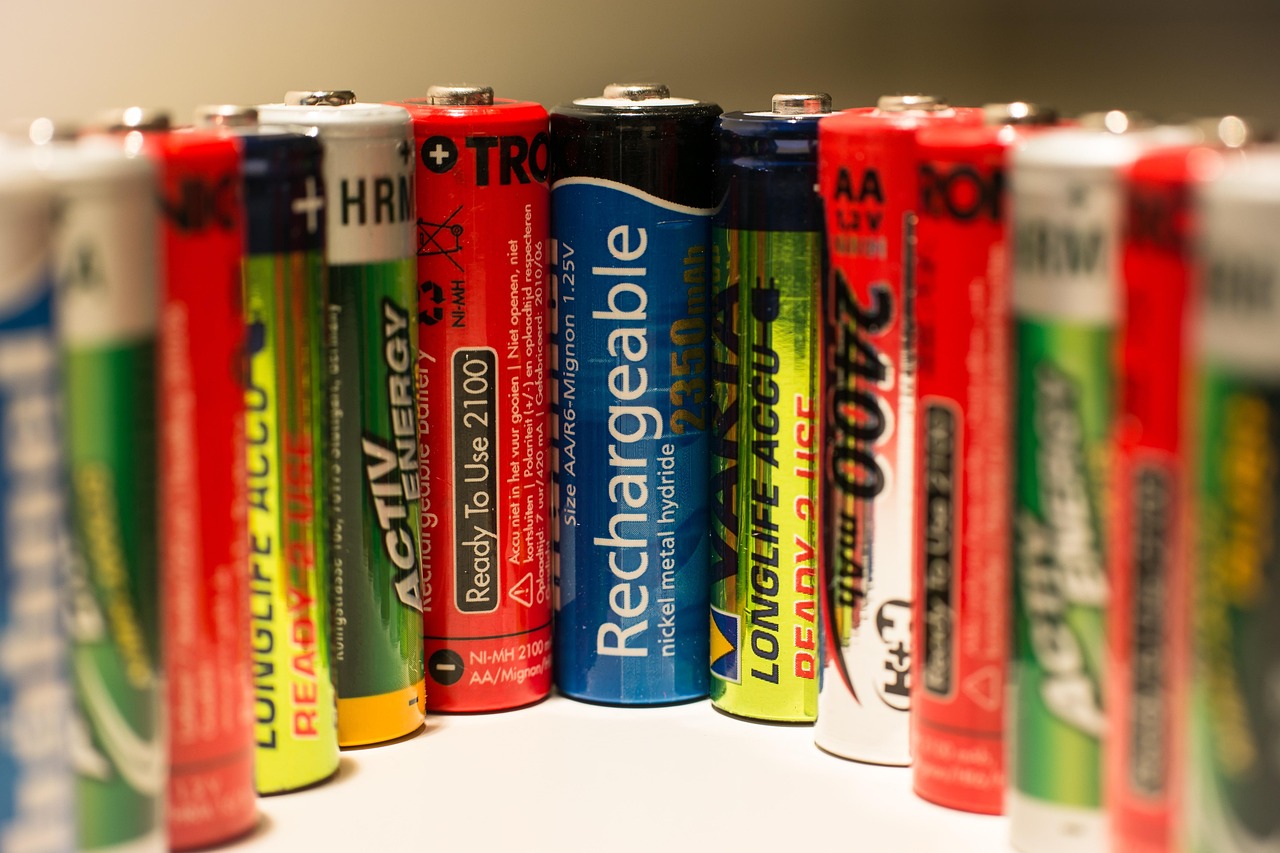
An old phone in a drawer still holds energy. So does a worn laptop pack, and an EV battery that can’t meet range needs anymore. Inside each one sits a mix of metals and chemicals that can burn if mishandled, but also valuable materials that cost money and time to mine.
The lithium-ion battery recycling process solves both problems. First, it keeps fire-prone waste out of trash routes and landfills. Second, it brings back materials like lithium, nickel, cobalt, copper, and aluminum so they can re-enter manufacturing.
Below is the real, industrial flow that recyclers follow. You’ll see the shared front-end steps, how “black mass” forms, and how plants recover materials using pyro, hydro, and direct recycling. Finally, you’ll get a grounded view of what’s changing in 2026 and why sorting still decides costs.
From drop-off to “black mass”: the front-end steps recyclers follow
Most recycling plants look different from the outside, yet the first stages are similar. That’s because the early work is about safety and control. Lithium-ion cells can short-circuit, heat up, vent gas, or ignite if crushed at the wrong time. Recyclers therefore, focus on stabilizing batteries before any high-energy processing.
In practice, “front-end” means four goals:
- Keep damaged batteries from triggering fires.
- Separate battery types and chemistries when possible.
- Reduce packs into manageable parts.
- Convert the core electrode material into a consistent feedstock called black mass.
Black mass is a dark powder blend of cathode and anode materials. It often includes lithium metal oxides (from the cathode), graphite (from the anode), and fine particles of copper and aluminum. Since it concentrates most of the valuable metals, black mass becomes the bridge between mechanical handling and chemical recovery.
If you remember only one thing: recyclers don’t start with chemistry. They start by making batteries predictable and safe to touch, cut, and shred.
Collection and sorting, because mixed batteries raise costs and risks
Collection starts with take-back programs, municipal e-waste sites, and electronics retailers. EV batteries follow a different path. Shops, insurers, and salvage yards may store packs after crashes or diagnostic failures, then ship them to qualified handlers.
Sorting is the quiet work that controls everything downstream. Plants try to separate by:
- Format: loose cells, laptop packs, power tool packs, EV modules, full EV packs.
- Chemistry: NMC, NCA, LFP, LCO, and blends when known.
- Condition: intact, swollen, punctured, or heat-damaged.
Mixed chemistries raise costs because the recovery plant must tune leaching, precipitation, and purification to different elements. They also create product uncertainty. For example, LFP has little to no nickel or cobalt, so the economics differ from NMC.
Damaged or swollen batteries get special handling. Teams may isolate them in sand-filled or fire-resistant containers, then route them to controlled deactivation. Transport also matters. Short circuits often start with crushed terminals or loose batteries rubbing together, so shippers use non-conductive packaging and terminal protection.
For a broader look at where recycling technology is heading, this review on the evolution of lithium-ion battery recycling gives useful context on how collection streams and methods have changed as EV volumes rise.
Discharge, deactivation, and dismantling make batteries safe to process
Even “dead” batteries can hold a charge. That leftover energy turns a metal tool into a heater in seconds. So, recyclers discharge or deactivate cells before they shred them.
Facilities use several approaches, depending on the battery and local rules:
- Controlled discharge through resistive loads, often paired with monitoring to prevent overheating.
- Brine or conductive media in some legacy flows, though many operators avoid this due to corrosion and wastewater complexity.
- Inert atmosphere handling for higher-risk streams, which reduces oxygen exposure during cutting or shredding.
Next comes dismantling. EV packs may be opened and broken down into modules, then into cells. Some plants automate this stage to reduce labor and limit worker exposure to voltage and sharp edges. Many also remove large housings and busbars early, since those parts are mostly steel, copper, and aluminum that can be recycled through conventional metal routes.
After that, shredding turns cells into a mixed “shred” of plastics, foils, and electrode coatings. Plants separate fractions using magnets, screens, air classification, and density methods. Copper and aluminum foils peel out as a valuable stream when separation is tuned well.
Electrolyte removal is another key step. The electrolyte and binder compounds can interfere with later chemistry, and they can generate fumes when heated. Plants handle this with controlled drying, vacuum systems, and thermal conditioning based on the specific line design.
What’s left after mechanical separation is black mass, the concentrated powder that feeds the recovery stage.
How recyclers pull valuable materials back out of black mass
Once black mass is ready, plants choose a recovery path. The three main categories are:
- Pyrometallurgical recycling (high heat)
- Hydrometallurgical recycling (liquid chemistry)
- Direct recycling (restore cathode material structure)
Many real facilities combine methods. For example, a plant may use mechanical separation first, then hydrometallurgical steps for metals, while sending plastics and some carbon fractions to separate treatment.
Here’s a quick comparison to set expectations before the deeper explanation.
| Method | What it does best | Common outputs | Main tradeoff |
|---|---|---|---|
| Pyrometallurgy | Handles mixed, messy feedstock | Ni-Co alloy, slag, some Cu/Fe | High energy use, lithium often ends up in slag |
| Hydrometallurgy | High metal recovery and control | Lithium salts, Ni/Co/Mn salts or metals | Chemical handling and wastewater management |
| Direct recycling | Preserves cathode structure | Refurbished cathode powder | Needs clean sorting and stable feedstock |
A detailed technical overview of pathways and plant designs is captured in Advances in lithium-ion battery recycling, which maps pre-treatment and extraction options across chemistries.
Pyrometallurgical recycling, fast and tough, but it can waste lithium
Pyromet recycling is the furnace-first route. Operators feed battery materials into a high-temperature smelter, often above 1,000°C, then separate outputs by density and phase.
In simplified terms, the furnace turns complex battery mixtures into:
- Metal alloy (often rich in nickel and cobalt, sometimes copper)
- Slag (a glass-like phase that can capture lithium, aluminum, and other elements)
- Off-gas and dust (which must be treated and captured)
The biggest advantage is robustness. Pyromet can tolerate mixed inputs and less sorting. That matters when collection streams contain many formats, unknown chemistries, or contaminated materials.
The downside is that lithium recovery is harder. Lithium often reports to slag, which then needs extra processing to recover it, if the plant even chooses to. Energy demand is also high because heat does most of the separation work.
Still, pyromet has a role. It can stabilize difficult streams, handle certain pack designs, and process materials that would foul a wet-chemistry line. Some operators use pyro as a pre-step, then apply hydromet to the alloy to separate nickel and cobalt into saleable products.
Hydrometallurgical recycling, the high-recovery route most people picture
Hydrometallurgy is the “chemistry set” most people imagine, but industrial lines are controlled and repeatable. The basic idea is to dissolve metals into solution, then separate them into purified products.
A typical hydromet flow looks like this:
- Leaching: acids (and sometimes oxidants) dissolve target metals from black mass into a liquid.
- Solid-liquid separation: filtration or settling removes undissolved solids, such as some graphite and residue.
- Selective separation: pH control, precipitation, and solvent extraction split metals into different streams.
- Purification and finishing: crystallization, electrowinning, or conversion steps produce market-grade compounds.
Well-run hydromet systems can achieve very high recovery for key metals. Many published and commercial processes report recovery rates that often exceed 95% for nickel and cobalt under optimized conditions, although results depend on feedstock and process control.
The tradeoff is chemical management. Acids, extractants, and reagents create hazards if handled poorly. Wastewater control also matters because dissolved salts and trace metals can’t leave the site untreated. For that reason, plants invest in closed-loop water systems and careful reagent recycling when feasible.
If you want a plain-language view of how modern recycling methods evolved and why hydromet has gained ground, this PDF-accessible page on the evolution of lithium-ion battery recycling connects the method choice to economics and emissions.
Direct recycling, trying to reuse the cathode instead of breaking it down
Direct recycling takes a different bet. Instead of dissolving everything into ions, it tries to keep the cathode’s crystal structure intact. Think of it like refurbishing bricks rather than melting them into raw clay.
In broad strokes, direct recycling aims to:
- Separate cathode powder from other materials with minimal damage.
- Remove impurities and spent binder residue.
- Re-lithiate the cathode (add lithium back) to restore composition.
- Re-anneal (heat treat) to recover electrochemical performance.
When it works, direct recycling can reduce processing steps and lower energy use compared to making new cathode material from scratch. It can also cut reagent needs versus full hydromet.
However, direct recycling depends on consistent inputs. Mixed chemistries and unknown blends make it hard to hit performance targets. That’s why sorting and identification are stricter in direct routes. Scale-up is also challenging because cathode quality must stay consistent lot to lot.
What happens after recovery, and how to judge if recycling is “good”
Recycling headlines often stop at “we recovered lithium.” In real supply chains, the last mile is purification, testing, and qualification. Battery makers need tight specs, stable particle behavior, and low contamination. Otherwise, the material may only fit lower-value uses.
This is also where “good” recycling becomes measurable. A process can recover lots of metal yet still create large waste streams, high emissions, or inconsistent product quality. On the other hand, a slower, more controlled line might deliver battery-grade materials with better circular value.
Purification, testing, and turning outputs into battery-ready materials
After pyromet or hydromet, plants produce intermediate products that still need cleanup. Common end products include:
- Lithium salts, often lithium carbonate or lithium hydroxide, depending on downstream buyer needs.
- Nickel and cobalt products, either as salts (sulfates) for precursor production or as metals in some routes.
- Copper and aluminum streams from mechanical separation, which can re-enter established metal recycling markets.
- Graphite, sometimes recovered, though it requires careful purification and market fit.
Quality control is not optional. Plants sample batches for trace metals, moisture, and unwanted ions. They also watch cross-contamination, for example copper carryover into cathode products. Consistency matters as much as purity because battery manufacturing runs on predictable feed.
EV owners often ask how recycling affects costs over time. While markets differ by region, the link between end-of-life packs and replacement economics is easy to see in discussions about EV battery recycling programs for replacements, where recycled and refurbished streams can reduce pressure on raw material supply.
Environmental and safety tradeoffs, energy use, chemicals, and fire risk
Each method carries a different footprint:
- Pyromet concentrates risk in heat and emissions control. It uses more energy, and it relies on strong off-gas capture.
- Hydromet shifts burden to liquids. It needs tight chemical storage, worker protection, and wastewater treatment.
- Direct recycling can save energy, yet it demands cleaner sorting and steady feedstock to avoid off-spec cathode.
Safety remains a constant across all routes. Fires can start during storage, transport, discharge, or shredding. That’s why many facilities use thermal cameras, segregation zones, and inerting systems for higher-risk streams.
Regulation is also tightening in many places, and that pushes better tracking and safer packaging. In the US, state rules and battery stewardship programs increasingly influence how batteries move from consumers to processors, with a focus on reducing incidents in waste systems.
A practical test of “good” recycling is simple: high recovery, controlled waste, and stable products, without shifting risk onto workers or local waterways.
What’s changing in 2026, and what the next generation of recycling looks like
By February 2026, two themes stand out in lithium-ion recycling: plants want higher purity outputs, and they want fewer waste streams. At the same time, the industry faces a basic constraint. Feedstock is growing, but it’s inconsistent. That inconsistency punishes every method, especially direct recycling.
Automation is also moving upstream. Some companies now treat battery packs like manufactured products that can be de-manufactured in reverse, rather than crushed early. That improves separation of copper, aluminum, and plastics, and it can lower contamination in black mass.
Electro-driven and lower-chemical methods that aim for high purity with less waste
One promising direction is electro-driven separation. The concept is straightforward: use electricity to help push ions where you want them, instead of relying only on reagent-heavy precipitation. In practice, these “electro-hydromet” ideas can support cleaner separation and high-purity outputs, especially when paired with well-controlled leaching.
Another research direction reported recently uses carbon dioxide and water to create a mild leaching environment at room temperature, recovering high fractions of lithium while reducing harsh chemical needs. The details and performance vary by feedstock, yet the motivation is clear: less heat, fewer reagents, and fewer difficult waste streams.
These approaches still face scale questions. They need steady feedstock, predictable chemistry, and long-term proof of operating cost. Even so, the push toward lower-chemical recovery is real because it can reduce both permitting burden and waste handling.
New process ideas, plus the big bottleneck that still decides everything: sorting
Across R&D and early commercial lines, you can see repeated process goals:
- Better mechanical separation at lower temperatures, which helps keep plastics and foils cleaner.
- Improved removal of copper and aluminum fines, which reduces downstream purification cost.
- Stronger capture and treatment of gases from electrolyte and binder breakdown.
- More automation in pack opening and module handling to reduce labor and safety exposure.
Still, sorting remains the bottleneck. Mixed chemistries force compromises in recovery chemistry and product specs. They also make it harder to qualify recovered material for new batteries, which is where the highest value sits.
The most helpful fixes are not only chemical. They’re system-level:
- Clearer labeling of chemistry at the pack and module level.
- Design-for-recycling choices, such as easier disassembly and fewer adhesives.
- Collection systems that keep streams cleaner, instead of mixing everything at the first stop.
If you’re tracking method trends and industrial adoption, this review page on the evolution of lithium-ion battery recycling ties those system constraints to the technology choices plants make.
Conclusion
The lithium-ion battery recycling process follows a clear chain: collect and sort, make packs safe, shred and separate into black mass, recover materials using pyro, hydro, or direct routes, then purify and test outputs until they meet real specs. Each approach balances tradeoffs between energy use, chemical handling, and sorting requirements.
If you want recycling to work at scale, the simplest action still matters: use approved drop-off programs, follow packaging guidance, and never throw lithium-ion batteries in the trash. That one habit protects people, reduces fires, and keeps more battery metals in circulation.