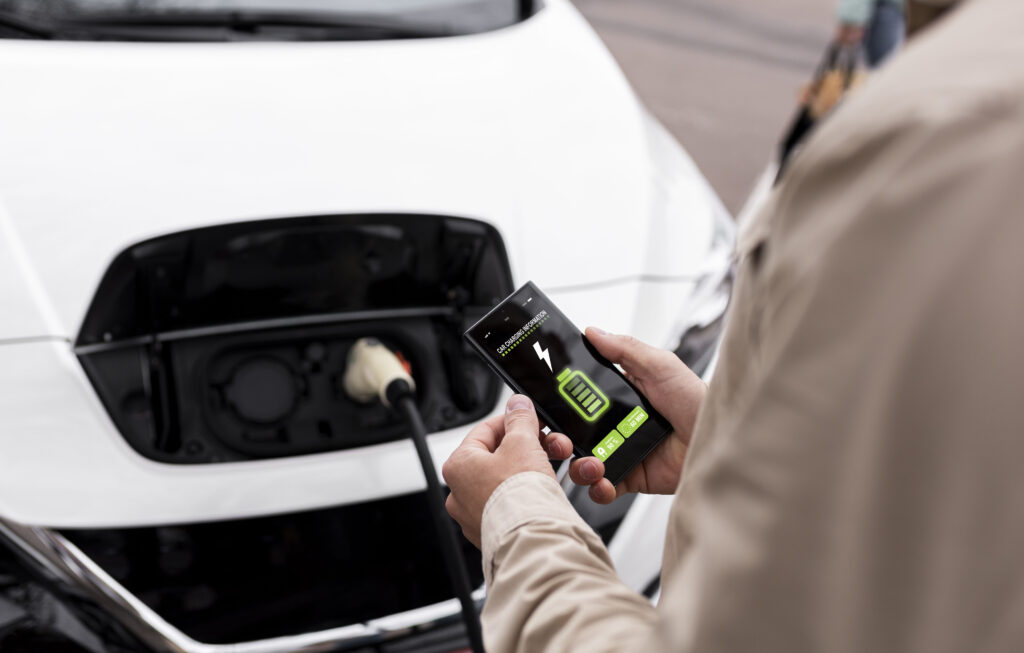
Your EV starts acting strange. Range drops fast, the car refuses to DC fast charge, or it sits at the dealer for weeks. Then you get the line that makes owners boil: “It’s normal,” or “It’s within spec,” or worse, “Not covered.”
That’s the heart of ev warranty dispute. It’s a disagreement about what the warranty should pay for, and whether the problem is a defect or something else. In EVs, the argument often turns on definitions, test methods, and missing records, not just the repair itself.
This guide stays practical. You’ll learn which EV warranty disputes happen most, what proof tends to matter, how to build a clean paper trail, and how to escalate without burning time (or your patience). You’ll also get realistic expectations, because some outcomes are faster than others.
The most common EV warranty disputes and why they happen
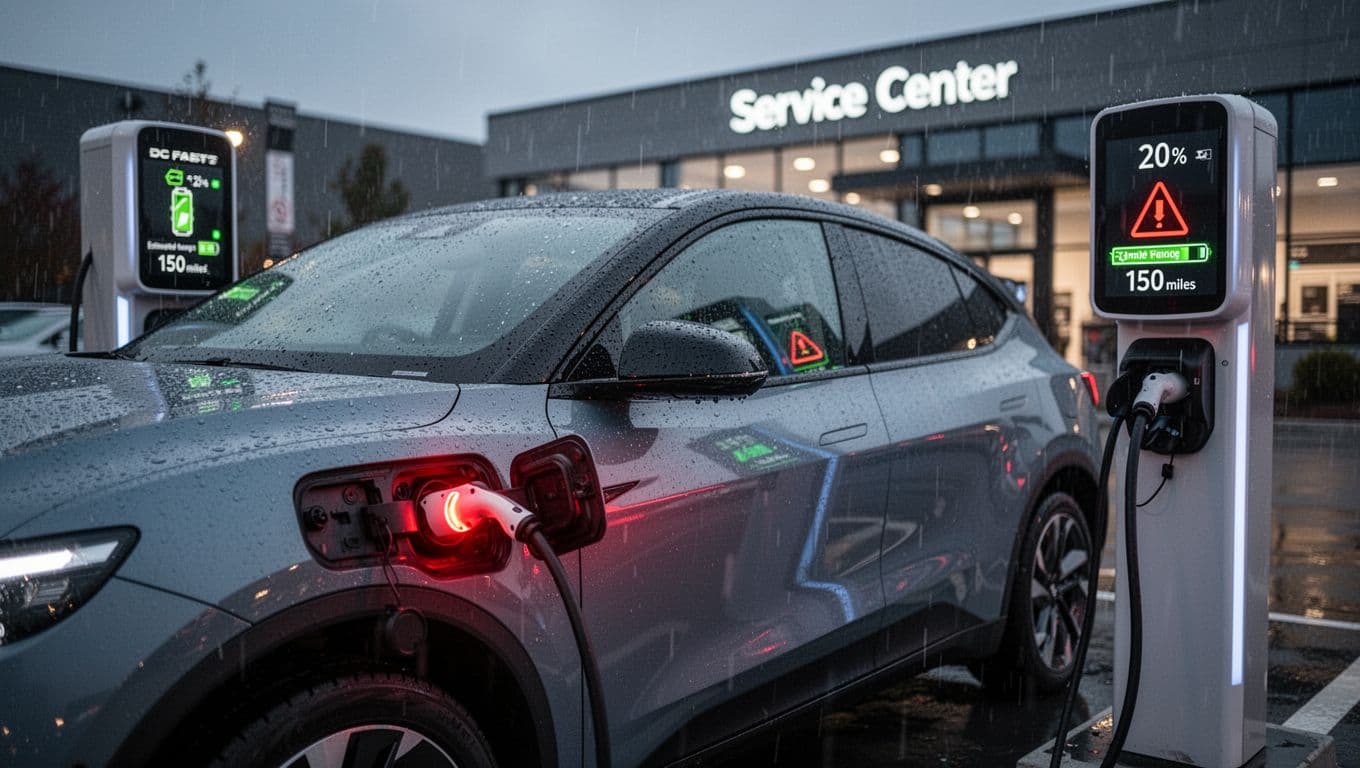 An EV that will not fast charge can trigger a warranty dispute when the cause is hard to prove. This image was created with AI.
A lot of EV warranty disputes aren’t about a battery pack that “dies.” Instead, they’re about what counts as a defect, what counts as wear, and what data the manufacturer trusts.
Here’s the common pattern:
- The owner reports a symptom (range loss, charging failure, repeated alerts).
- The dealer runs tests that show “no fault found” or “within spec.”
- The automaker points to usage, environment, or software updates as the reason.
- The owner thinks the warranty promise should cover the real-world problem.
That gap is where disputes live.
Also, not every high-impact EV problem is a high-voltage battery problem. In practice, some of the biggest headaches come from parts that feel ordinary but can immobilize an EV:
- 12-volt battery issues that cause no-start events or random errors
- HVAC and heat pump failures that cut range and cabin comfort
- Suspension, steering, and brake-by-wire faults that throw warnings and limit power
- Charge port and thermal hardware that blocks fast charging
Service capacity can add friction, too. When parts are backordered or the service network is small, the car can sit. Time out of service often matters as much as the repair cost.
Meanwhile, warranty economics can shape how fast fixes happen. In January 2026, industry reporting highlighted a dealer lawsuit claiming EV warranty reimbursements were far below retail rates, with battery repairs as the flashpoint. That dispute is between dealers and an automaker, but it shows how contested EV warranty work can become at scale. See the coverage in dealer reporting on EV warranty reimbursement claims.
Battery capacity loss, what “70% capacity” really means
Battery degradation is normal. The battery stores less energy over time, so the range drops. The dispute starts when that drop feels too large, too early.
Many EV makers cover the high-voltage battery for about 8 years and 100,000 miles (sometimes more), and they often tie coverage to a minimum remaining capacity. Owners commonly hear a number around 70% capacity, but the exact threshold and test method are brand-specific. In other words, “70%” is a concept, not a universal rule.
Why owners feel blindsided:
- They bought the car for a commute that had margin, then winter and age shrink it.
- Fast charging slows or stops at higher states of charge, making trips longer.
- A “healthy” battery on paper can still feel bad in daily use.
Why claims get denied:
- Test method mismatch: your app estimate differs from the maker’s test.
- Temperature effects: cold-soaked packs show less usable energy.
- Driving and load: speed, headwind, tires, and cargo change consumption.
- Within spec language, the maker defines acceptable variation.
What helps your case is boring, but powerful: measurements that line up with the warranty’s rules.
Start with these proof builders:
- A baseline note from early ownership (typical range at a set percent).
- A dealer-performed battery health report, or the maker’s official diagnostic.
- Evidence that the car falls below the warranty threshold, not just below your expectation.
If you’re unsure how warranties and exclusions work in plain terms, the FTC’s consumer guide is a solid reference point. It explains how warranty coverage differs from service contracts, and why “wear” language matters. Use the FTC guide to auto warranties and service contracts to sanity-check what the paperwork usually promises.
Charging and software problems are the gray area that triggers denials
Charging complaints create some of the messiest EV warranty disputes because the system crosses boundaries. The car, the cable, the station, the utility power quality, and the network all interact. When something fails, it’s easy for each side to point elsewhere.
Common categories include:
- Charge port failures (won’t latch, overheats, water intrusion concerns)
- DC fast charging refusal (handshake errors, immediate stop, power capped)
- Thermal limits (battery too hot, cooling faults, derates that never recover)
- Repeat warning lights tied to the onboard charger or high-voltage contactors
Software complicates it. If an update changes charging curves or fixes a bug, the maker may treat the issue as resolved even if your symptom stays. Owners often hear, “It’s the latest calibration,” while they’re still stuck at a charger.
A few examples by category, without turning this into a brand scorecard:
- Tesla: Many issues are diagnosed through logs and pushed updates. That’s efficient, but it can blur lines between a defect and a feature change.
- Ford electric trucks: owners report charging and thermal complaints that can require hardware plus software coordination, which can extend diagnosis time.
- Rivian: A smaller service footprint can mean longer waits, even when the fix is clear.
A charging failure is easier to deny when the only record is a story. It’s harder to deny when you have time-stamped videos, station details, and repeatable steps.
How to build a strong warranty case before you escalate
Winning a warranty dispute rarely comes from one dramatic moment. It comes from a clean record that makes the problem easy to reproduce and hard to blame on you.
Think of it like troubleshooting a network. If you can isolate the fault, you shorten the argument. If you can’t, everyone debates theory.
A simple playbook helps:
- Be polite, but firm.
- Describe symptoms, not theories.
- Ask for documentation at every visit.
- Keep your timeline tight so the warranty clock doesn’t run out.
Also, avoid side quests. When emotions run high, owners sometimes jump between shops, try a quick fix, or clear alerts. Those moves can erase evidence or create a new “cause” the maker can blame.
Document the problem like you’re going to need it later
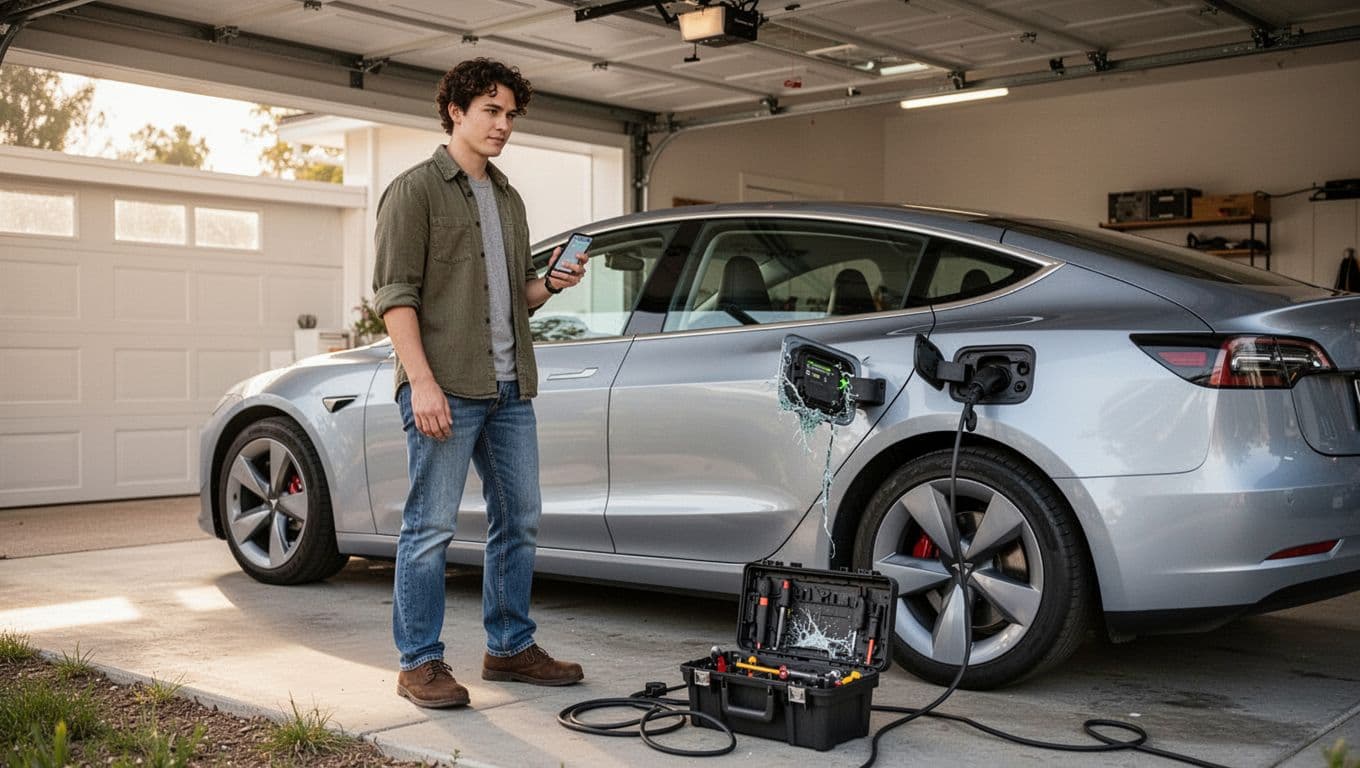 Clear photos and timestamps can turn a vague complaint into a repeatable diagnosis. This image was created with AI.
Your goal is a record that answers three questions: what happened, when it happened, and under what conditions. That’s what service engineers need, and it’s what dispute programs look for.
Save:
- Photos and videos: warnings, charging errors, charge port behavior, coolant puddles.
- Exact dates and mileage: every incident, every service visit.
- Charging details: station name, plug type (CCS, NACS, J1772), stall number if posted.
- Session context: starting percent, target percent, ambient temperature, rain or snow.
- App screenshots: charging graphs, error messages, and scheduled charging settings.
- All repair orders (ROs), including “could not reproduce” notes and test results.
One tip matters more than the rest:
Make sure the repair order states your complaint clearly. “DC fast charging fails” beats “check vehicle” every time.
Before you leave the service drive, read the RO line by line. Ask them to rewrite it if it’s vague. Also, keep the car available for inspection and avoid clearing logs unless the dealer asks.
Avoid easy claim killers that let them blame “misuse”.
Some denials are legitimate. Others happen because the record gives the maker an opening. If you reduce those openings, you reduce the fight.
Common “misuse” arguments include:
- Aftermarket charging or battery modifications, including non-approved wiring changes
- Evidence of tampering with high-voltage components or cooling lines
- Ignored recalls or service campaigns tied to the same system
- Repeated warnings left unresolved for long periods
- Damage from accidents, flooding, or improper lifting
Fast charging itself usually isn’t misused. Still, extreme patterns can become a debate if the car lacks maintenance records or you can’t show normal operating conditions. If you’re under warranty, use authorized service when you can, and keep receipts for any required maintenance items the manual lists.
In short, don’t give the other side a shortcut explanation.
What to do when the dealer or brand won’t fix it
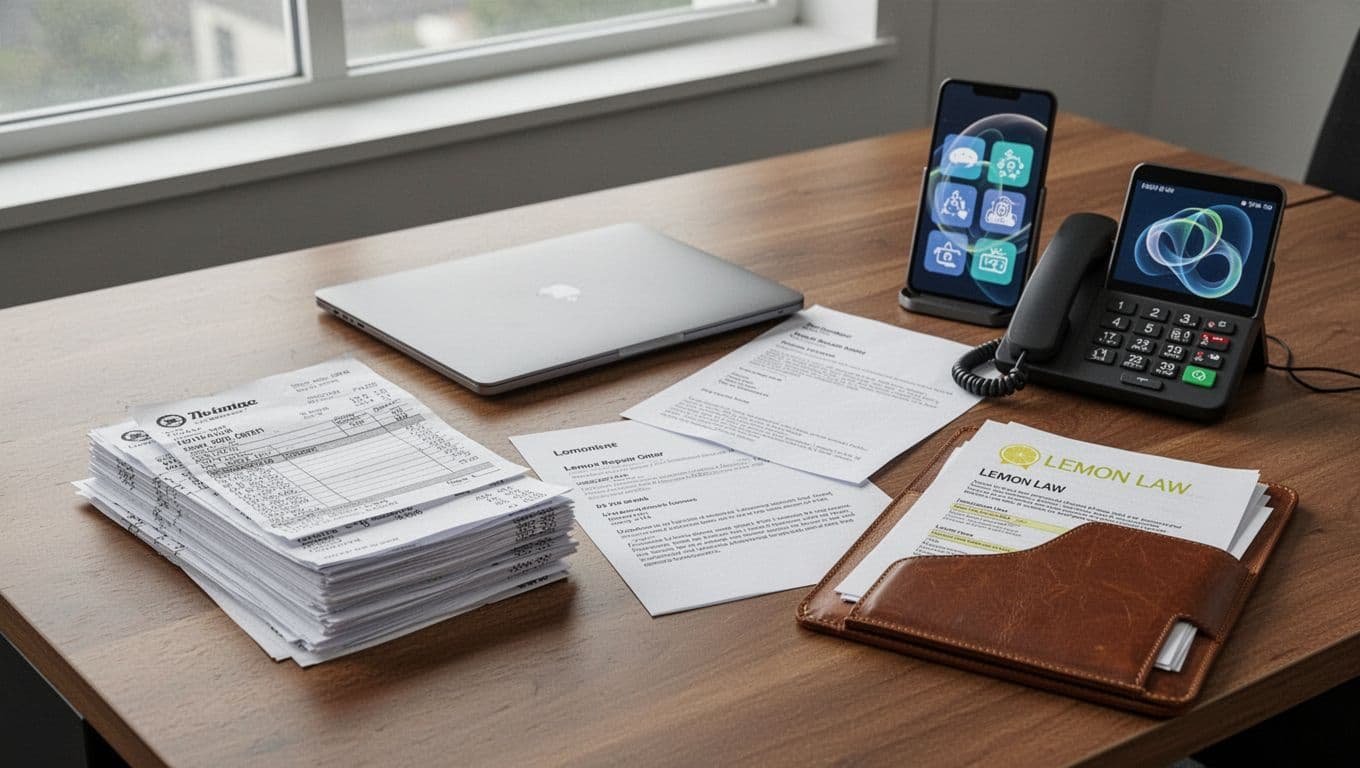 An organized paper trail often matters as much as the technical fault, this image was created with AI.
When repairs stall or denials repeat, escalation works best when you follow a clear ladder. Jumping straight to threats often slows things down. On the other hand, waiting too long can cost you leverage, especially if the warranty end date is close.
Before you escalate, confirm you’ve done the basics:
- You gave the dealer a fair chance to diagnose and repair.
- You have multiple ROs showing the same issue, or a long out-of-service stretch.
- Your complaint is consistent across visits.
Escalate step by step: manufacturer case, BBB AUTO LINE, arbitration, small claims
Start escalation where the automaker can still act fast. That usually means opening a formal manufacturer case and asking for a written plan, not just verbal updates. Some brands run this through phone support, others through an app (Tesla owners often live inside the app flow). Either way, keep everything dated.
This table shows the common paths and what each is best for:
| Step | Path | Best for | Typical outcome |
|---|---|---|---|
| 1 | Dealer repair attempts | First diagnosis and parts replacement | Repair or “no fault found.” |
| 2 | Manufacturer case | Stalled repairs, repeat visits | Field engineer review, priority parts |
| 3 | BBB AUTO LINE (when available) | Free or low-cost mediation-style process | Repair, reimbursement, repurchase offer |
| 4 | Arbitration (per contract terms) | When the paperwork requires it | Binding or non-binding decision |
| 5 | Small claims court | Clear dollar losses within state limits | Judgment for costs, sometimes a settlement |
| 6 | Attorney support | High-dollar claims, lemon law buyback | Buyback, replacement, cash settlement |
Many disputes settle in mediation because it’s cheaper than dragging it out. Still, arbitration can be binding, so read your purchase and warranty documents before filing. If you want a real-world example of how uneven arbitration can feel for consumers, read one owner’s published Tesla arbitration outcome. It’s not a universal result, but it shows why documentation and procedure matter.
Also, if your dispute involves long delays or repeat failures, track rental and towing costs. Even when the core repair is covered, extra costs can become a separate negotiation point.
For a current example of how hard EV warranty costs can be, even among professionals, Hagens Berman has published details about the ongoing Ford dealership reimbursement case. See the case summary on EV battery reimbursement claims for background on how contested battery repair payments can get.
Know your lemon law basics, especially the “days out of service” rule
Lemon laws vary by state, but two triggers show up again and again:
- Reasonable repair attempts: often around 3 to 4 tries for the same defect.
- Days out of service: often around 30 total days in the shop, not always consecutive.
EV-specific issues that can qualify include repeated charging failures, no-start events, loss of motive power, and major battery or thermal faults. Safety-related defects carry more weight than comfort issues.
What usually doesn’t qualify is normal wear, minor rattles, cosmetic problems, or damage. “Normal degradation” debates can also fall short unless the battery fails the warranty’s own capacity test.
In addition to state lemon laws, the federal Magnuson-Moss Warranty Act can support warranty enforcement. You don’t need to master the law to use it. Just know that written warranties are enforceable promises, and records win arguments.
One more time-based warning: filing windows can be strict. For example, California tightened certain lemon law timing rules in 2026, shortening how long some owners have to bring claims after warranty coverage ends. Even if you’re not in California, treat time as a factor, not a footnote.
Conclusion
EV warranty disputes usually come down to category, proof, and time. First, name the problem clearly (capacity loss, charging failure, or repeat warning faults). Next, build a record that shows dates, conditions, and repeatability. Then give the maker clear chances to repair, while the warranty clock still runs.
If the fix doesn’t happen, escalate in order, and keep your paperwork clean. The best move you can make today is simple: start a folder, and ask that the next repair order spells out the complaint in plain words. That one step protects your warranty when frustration starts to blur the details.