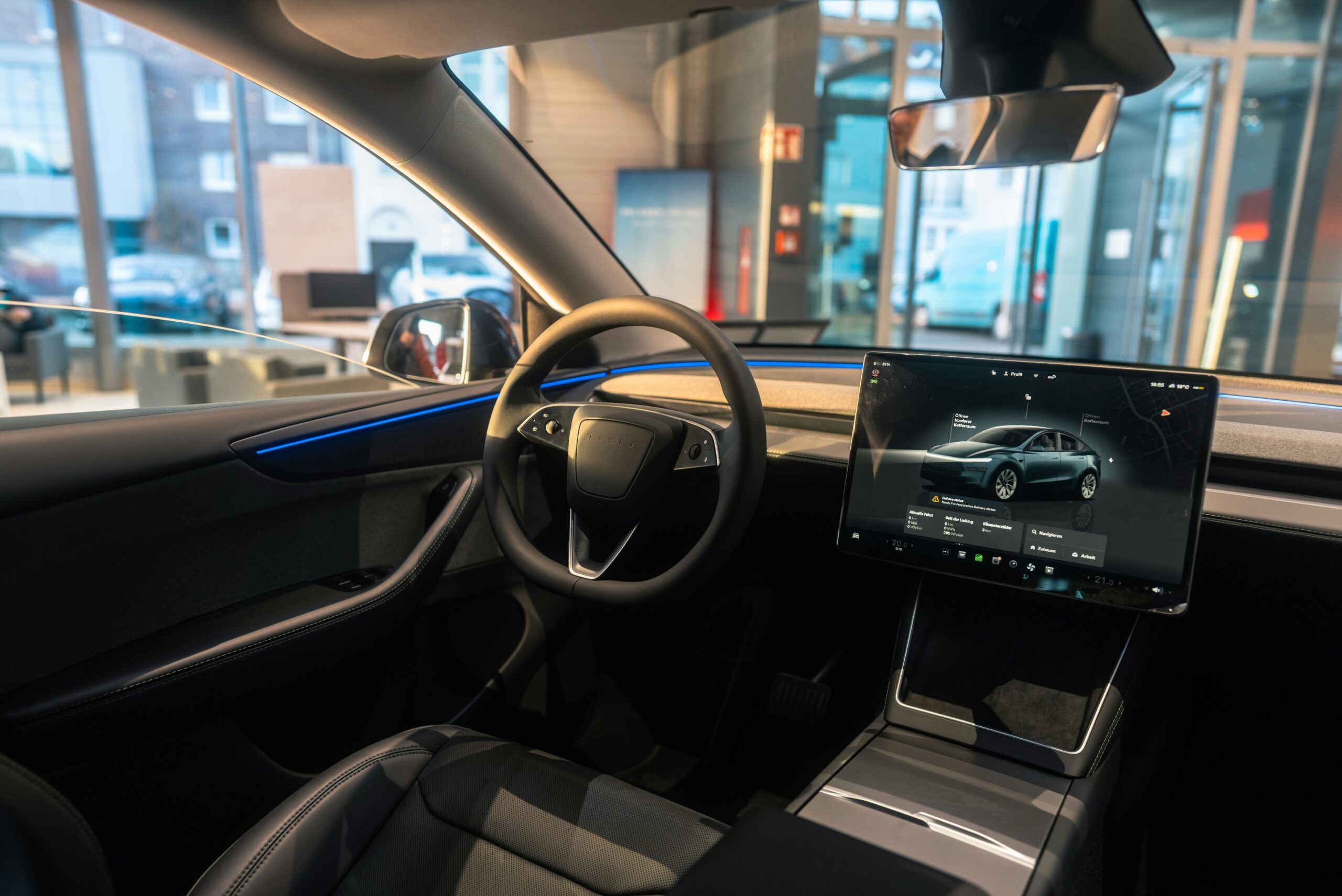
You plan your first EV road trip and feel good about it. Then a cold rain starts, traffic speeds up, and the battery drops from 35% to 18% faster than you expected. Nothing is “wrong,” but your brain starts running the worst-case math.
That feeling has a name: ev range anxiety. It’s the worry that your battery will run low before you can recharge.
It happens because EV range is a forecast, charging can feel unfamiliar, and nobody wants to be stuck hunting for a working plug. The good news is that range can feel predictable once you plan with the right inputs, drive with a few simple habits, and charge in a smarter window.
What causes ev range anxiety: the real-world stuff that drains range
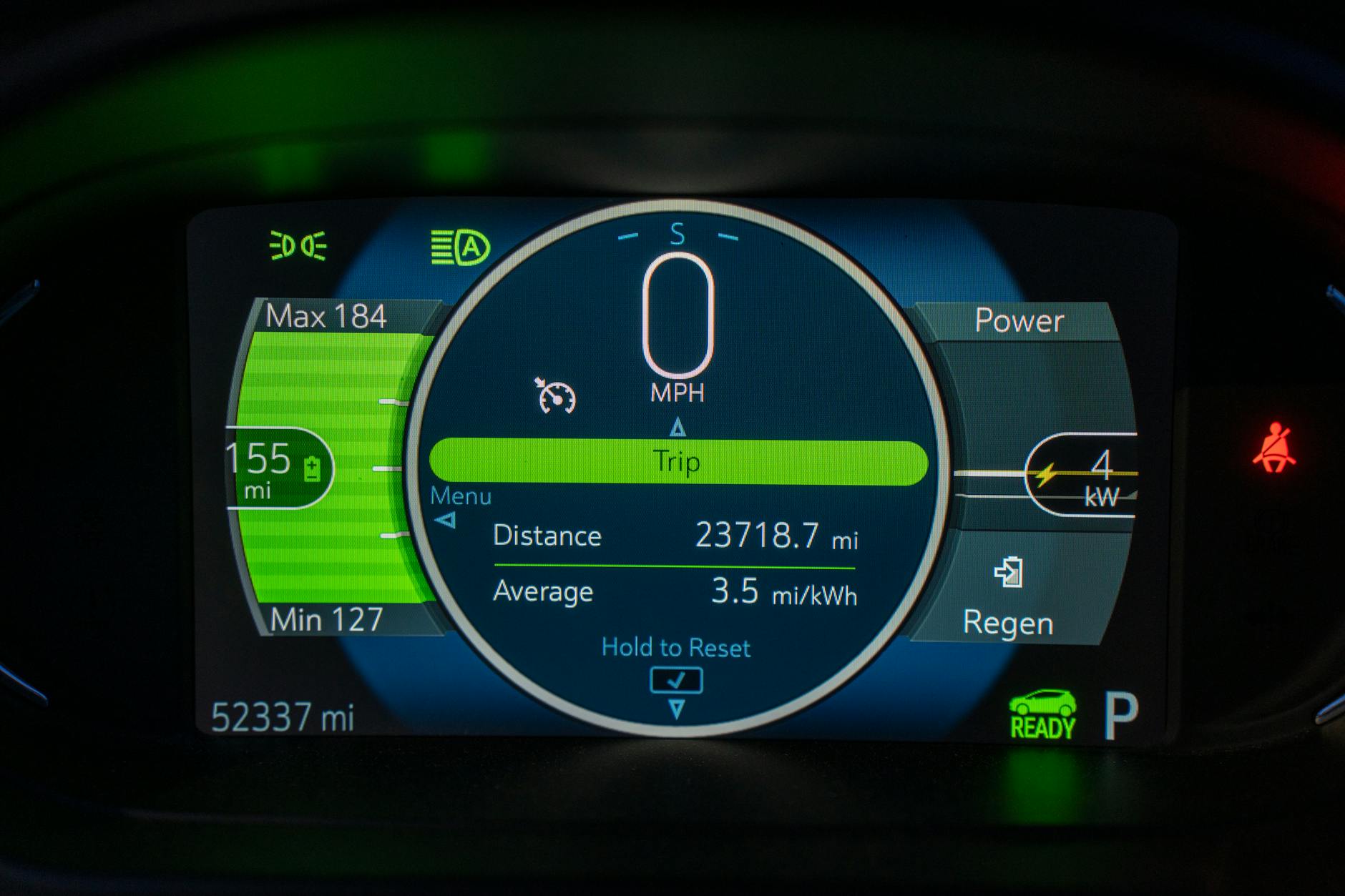 Photo by Tom Fisk
The range number on your dash is useful, but it’s not a guarantee. Think of it like your phone’s “time remaining” estimate. It updates as conditions change, and it can swing quickly after a few miles of different driving.
EVs measure energy use in real time (often in kWh per 100 miles or miles per kWh). The car then converts that to “miles remaining” based on recent driving. As a result, a calm suburban commute can make the estimate look great, while the first 15 minutes of freeway at 75 mph can make it look scary.
Range anxiety also stacks up when you’re learning new variables at once. On a first road trip, you might be testing highway efficiency, weather impact, and public charging for the first time, all while watching a percentage tick down.
For a clear explanation of how “charging anxiety” overlaps with range worry, see National Grid’s breakdown of charging anxiety vs range anxiety. The key idea is simple: the battery is only part of the story, the charging experience matters too.
Speed, weather, hills, and AC or heat: the biggest range killers
Highway speed is the loudest factor because air drag rises fast as speed goes up. That means 65 mph and 75 mph aren’t “a little different,” they can be meaningfully different in energy use.
Cold weather adds two hits. First, the battery is less efficient when it’s cold. Second, cabin heat often uses more power than AC. Heat pumps help, but they still consume energy, especially when you ask for a warm cabin right after a cold soak.
Hills and headwinds work like invisible towing. The motor must push harder, so the car draws more power. Some of that comes back through regenerative braking on descents, but regen isn’t 100% efficient. You always lose some energy to heat and conversion losses.
A simple rule-of-thumb set that matches what many drivers observe:
- Higher speed usually means lower range.
- Cold air usually means lower range, especially for short trips.
- Strong wind and steep grades can cut range faster than you expect.
- Cabin heat often costs more range than AC.
If the range estimate drops suddenly, it’s often reacting to the last 5 to 15 minutes of driving, not predicting your whole trip perfectly.
Charging uncertainty: not knowing where, when, or how fast you’ll charge
Most daily charging happens at home, which feels as easy as charging a phone. Road trips are different because public charging has more moving parts.
In plain terms, there are two common public options:
- Level 2 (AC): slower, great for parking lots, hotels, and long stops.
- DC fast charging (DCFC): much faster, built for road-trip stops.
Even with DC fast charging, speed is not constant. Many EVs charge quickly up to about 70% to 80%, then slow down as the battery fills. That slowdown is normal battery management. It protects the cells and limits heat.
Public charging also depends on the station. A charger can be busy, limited by site power, or temporarily down. So range anxiety can be a network and planning issue, not just a battery issue.
A simple plan that makes range feel predictable
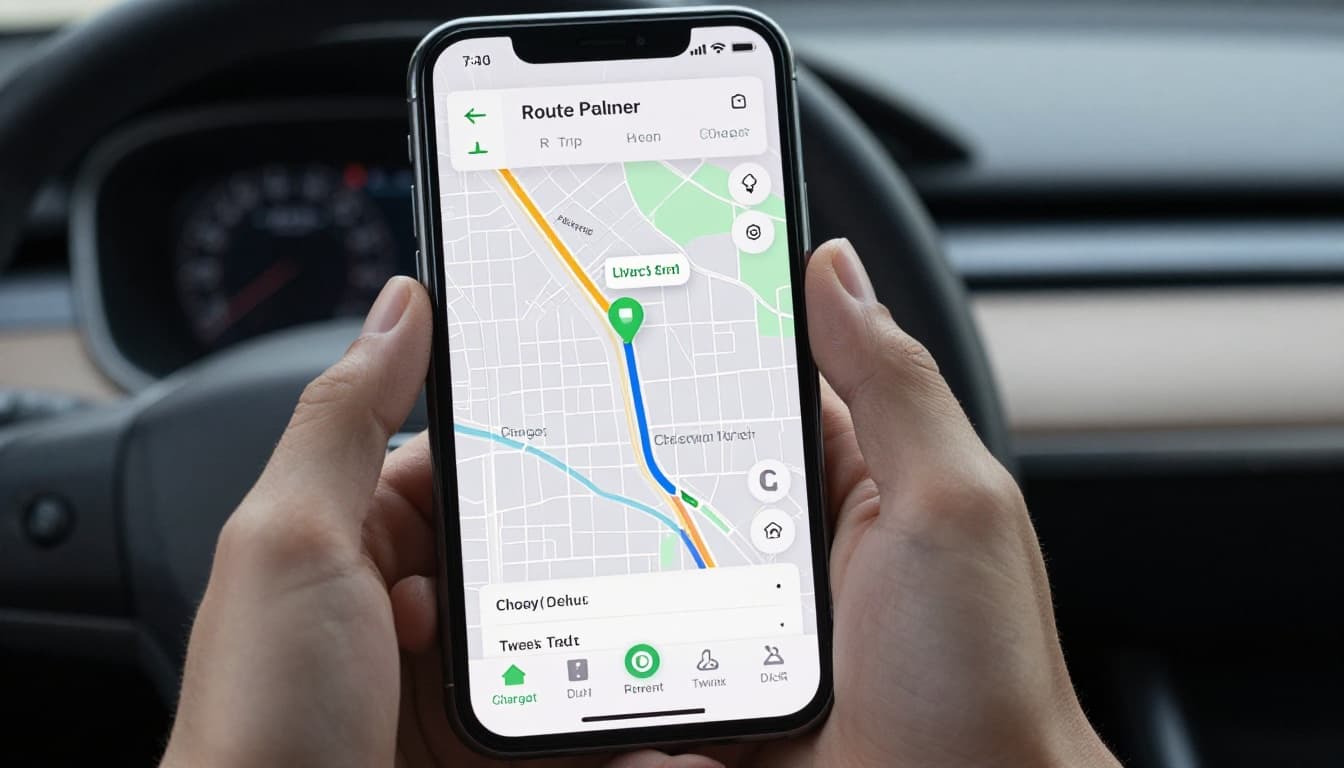 An EV route plan with charging stops mapped out.
You don’t need perfect planning to reduce ev range anxiety. You need a repeatable routine that gives you options. The goal is to replace “hope” with “I have a primary plan and a fallback.”
A good mindset is to treat charging like airport security lines. You can’t control everything, but you can arrive with margin and pick the smoother lane.
If you want a quick way to sanity-check your vehicle’s rated range against others, this EV range comparison by brand in Canada 2025 is a helpful reference point. The numbers aren’t identical to US trims, but the comparisons show how far modern EVs have come.
Think in percent, not miles, then pick a safe buffer
Miles are emotional because they feel exact. Percent is technical and stable because the car manages the battery as a percentage of usable capacity.
On the road, percent helps you compare conditions quickly. For example, “I used 10% to go 25 miles” becomes a pattern you can reuse. After a few trips, you’ll know what 10% usually buys you at 70 mph in winter.
For buffers, keep it simple:
- Daily driving in a city: arriving with 15% to 20% is comfortable, and you can go lower if chargers are everywhere.
- Highway trips: aim to reach chargers with 10% to 20%.
- Remote routes: keep a bigger buffer because backup chargers may be far apart.
A buffer isn’t wasted energy. It’s time you don’t spend white-knuckled behind the wheel.
Build a charging plan with backups before you leave
A lightweight process works better than an overbuilt spreadsheet.
First, pick one main charging stop that fits your route and your car’s charging speed. Next, add one or two backups within a short detour. Then check recent user check-ins or status if your navigation app supports it.
This is also where expectations matter. A “fast” stop is often two shorter sessions instead of one long session to 95% or 100%. Because charging slows near the top, you usually save time by leaving earlier and charging again later.
Google Research has explored this problem from the station side, including how models can predict port availability. Their post on predicting charging port availability explains why planning helps even when the battery is fine, because waiting time is part of the range experience.
In-the-moment fixes when the battery drops faster than expected
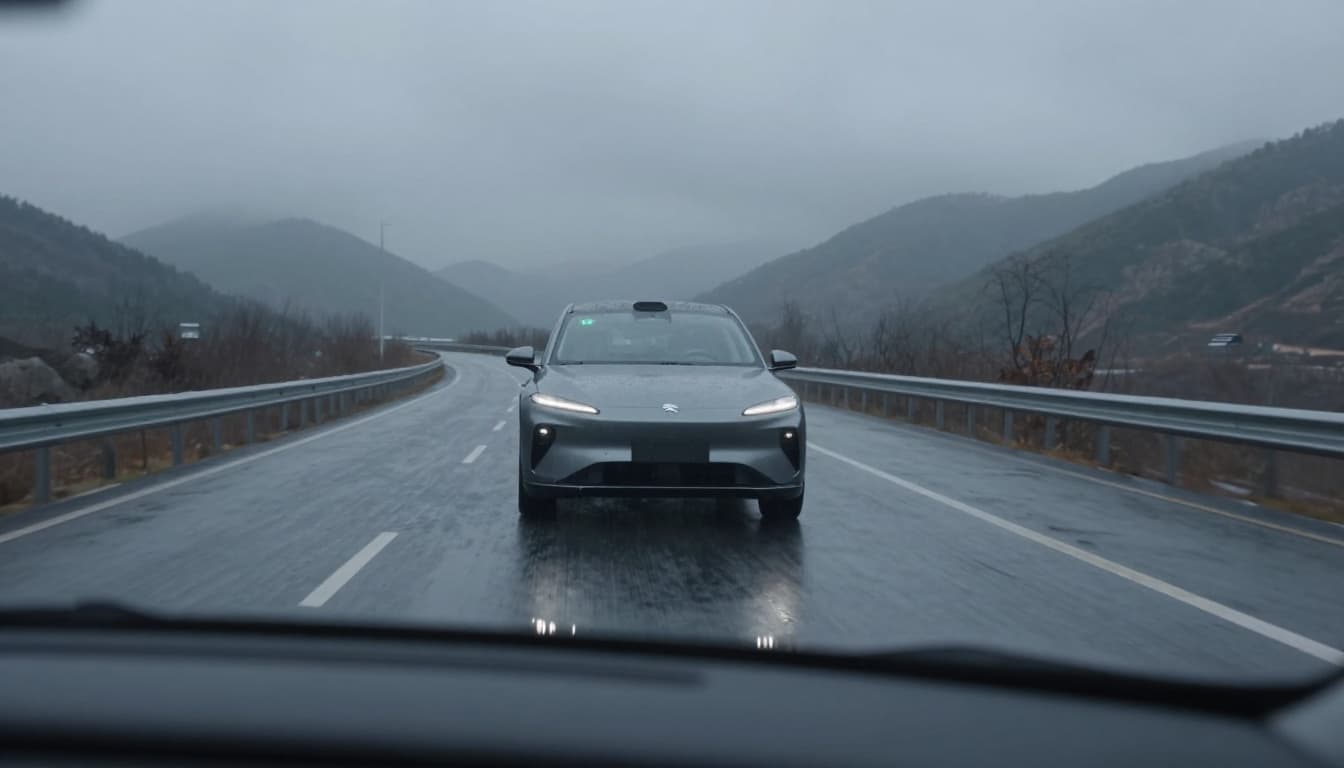 An EV driving in cold, wet conditions can reduce efficiency.
Even with planning, conditions change. The best response is calm and mechanical. You’re managing power draw, not “running out of gas.”
Start by confirming three things: current percent, distance to your next charger, and whether there’s a closer backup. Once you know those, you can choose the smallest change that fixes the math.
Quick steps that can add miles: slow down, precondition, and drive smoother
Speed reduction is the fastest fix because it cuts aerodynamic drag right away. Dropping 5 to 10 mph can add meaningful buffer, especially in wind or rain.
Eco mode helps if it softens throttle response and limits peak power. Smooth driving helps too. Hard acceleration spikes power draw, and repeated speed swings waste energy.
Preconditioning matters when you plan to DC fast charge in cold weather. In simple terms, the car warms (or cools) the battery so it can accept high power safely. Without it, you might plug in and see much slower charging than expected. If your EV supports it, set the fast charger as the destination so the car can precondition on the way.
Range management is mostly power management. Small, early changes beat big, late changes.
Smart charging habits that reduce stress on road trips
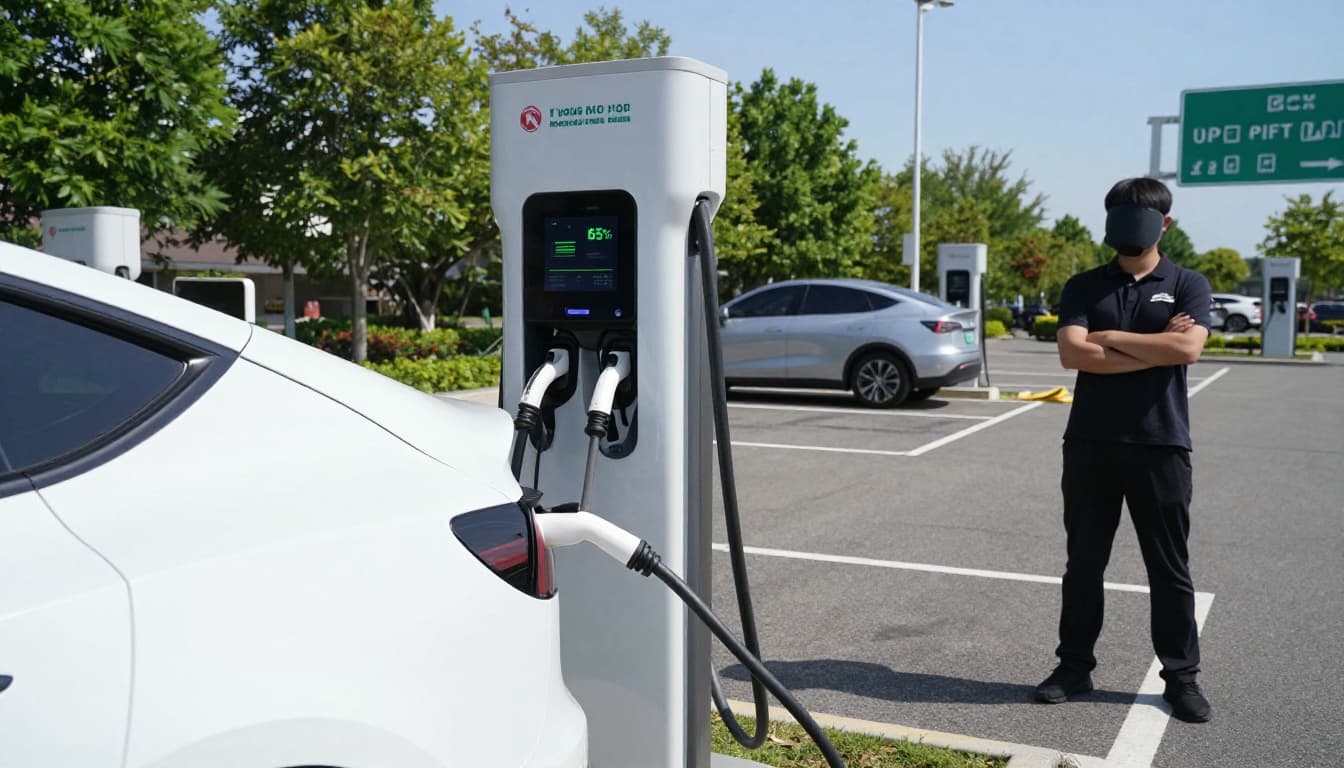 An EV charging at a DC fast charger during a road-trip stop.
DC fast charging is usually quickest when the battery is lower. Many EVs can pull higher power when arriving around 10% to 20%, then taper down as percent rises.
A practical road-trip window looks like this:
- Arrive around 10% to 20% when you can do so safely.
- Charge up to 60% to 80% for the best time trade.
- Leave and repeat as needed.
Charging to 100% is still useful, but it’s situational. It makes sense when chargers are far apart, when you’re staying overnight on Level 2, or when you need the full top end for a long gap. Otherwise, the last 15% to 20% can take longer than you expect.
NPR’s EV road trip checklist and tips lines up with what experienced drivers do: plan stops, keep a buffer, and treat charging as part of the trip rhythm.
Long-term ways to beat ev range anxiety for good
Range confidence grows the same way flight confidence grows. You stop guessing because you’ve seen the system work, and you’ve learned what to do when it doesn’t.
Over time, you’ll build an internal model of your EV. You’ll know how fast it burns energy at 70 mph, what winter does to short trips, and how much buffer you like.
Learn your EV’s “true range” in your daily life
Use your normal routines as a test bench. Track a few drives in different conditions and note efficiency and percent used. After a couple weeks, you’ll know what 10% typically gets you in town and on the highway.
Also, keep an eye on small mechanical factors:
Tire pressure matters because low pressure increases rolling resistance. Roof racks and cargo boxes add drag. Extra weight adds load in stop-and-go driving and on hills. None of these are mysterious, but they can quietly shift your baseline.
If you drive a truck, remember that towing can change everything. Drag rises fast with a trailer, even if the weight is modest. For a sense of how manufacturers position long-range options in trucks, see this guide to long-range electric pickups in the USA. Even with big batteries, towing often means more charging stops.
When to rent, borrow, or plan differently, and why that’s OK
Some trips are still harder today. Very remote routes, heavy towing, and extreme cold can stack enough penalties that the “simple plan” becomes a slow plan.
Choosing a different tool for a specific trip is practical engineering, not a personal failure. You can rent an ICE vehicle for a remote weekend, plan a route with longer stops, or travel a little slower. Any of those choices can turn a stressful day into a normal one.
Research also suggests that mindset plays a role. A report covered by ScienceDaily notes that drivers can reduce anxiety by changing how they think about refueling, not only by chasing bigger batteries. See how EV drivers can escape range anxiety for the high-level findings.
Conclusion
Ev range anxiety usually fades once range stops feeling like a mystery and starts feeling like a system you can manage.
- Know the drains (speed, cold, hills, wind, cabin heat).
- Plan with buffers and backups, especially on unfamiliar routes.
- Slow down early when the math starts drifting.
- Charge in the fast zone (often 10% to 20% up to 60% to 80%).
- Learn your EV over time so percent becomes intuitive.
Try one local practice trip this week. Then plan your next longer drive using the same checklist and see how much quieter the battery meter feels.