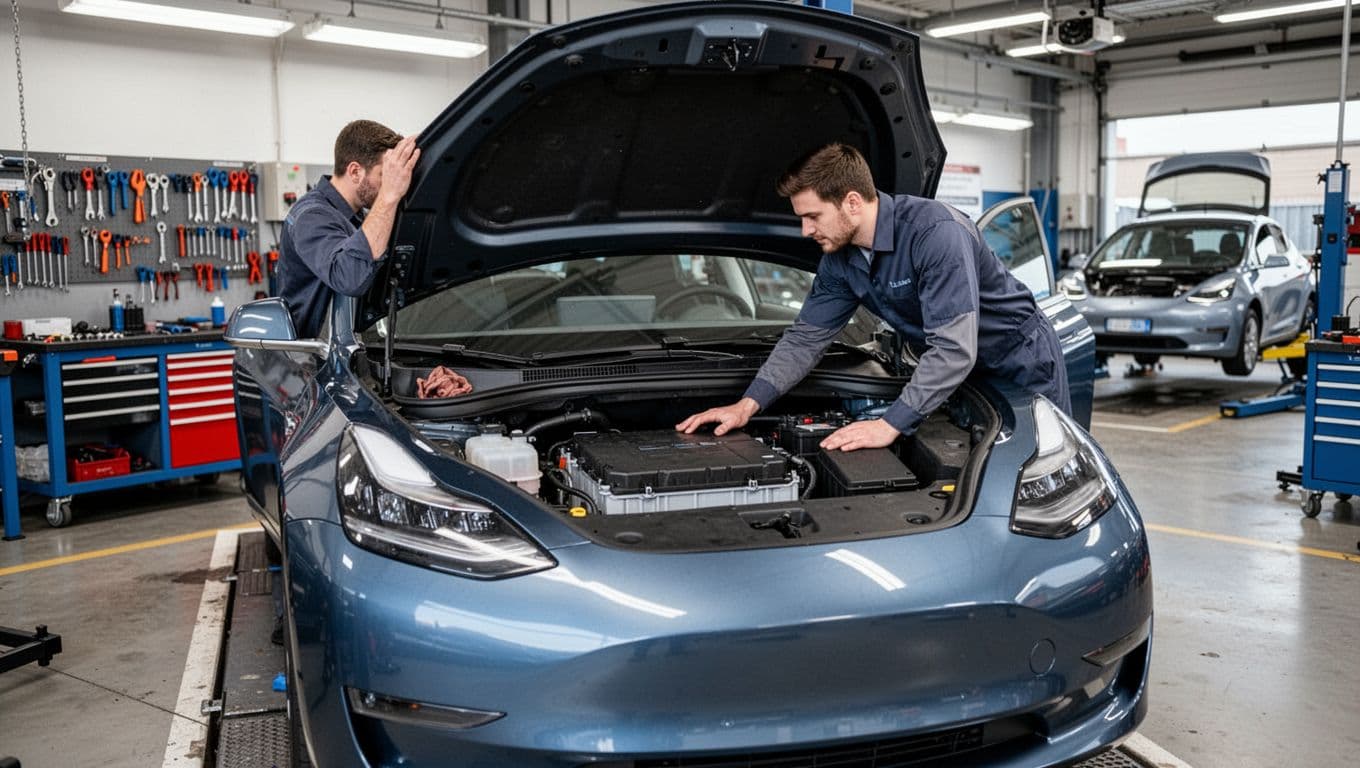
An insurance quote is simply an estimate of what you’ll pay, based on your car, your driving profile, and the coverage you pick. It’s not a final bill until the insurer verifies details, but it’s close enough to shop with confidence.
EV insurance quotes can swing more than gas car quotes for one big reason: EV repairs often cost more. Battery packs, sensors, and high-voltage parts are expensive, and fewer shops can handle them. On top of that, many EV owners choose extra protections that raise the price (but can save you from a painful out-of-pocket bill later).
This guide breaks down what moves EV quotes the most, what information you’ll need before you shop, how to compare quotes apples to apples, and how to lower your cost without removing the coverage that actually matters.
What changes an EV insurance quote, the real pricing factors
Auto insurance pricing is basically a math problem: how likely you are to file a claim, and how expensive that claim could be. With EVs, the “how expensive” part is often higher, especially under comprehensive and collision coverage (what many people call “full coverage”).
Real-world comparisons in 2026 still show EVs can cost more to insure than similar gas cars, although the gap depends on model and location. Some summaries place EV premiums noticeably above gas cars because repairs and total losses can cost more. If you want context on why the price gap exists, see this overview of EV insurance costs vs gas cars in 2026.
That said, EV pricing is changing quickly. Insurers are updating EV rating plans, add-ons, and claim processes as more data comes in and as state-level filing rules and approvals move forward. So, two quotes pulled a month apart can even look different, especially for newer models.
Your EV model, battery value, and repair network
Your make and model drives the quote more than most people expect. Here’s why:
Battery packs can cost a lot to replace, and insurers price for worst-case losses, not just small repairs. Beyond the battery, EVs can include expensive motors, inverters, controllers, cooling systems, and driver-assist sensors that need recalibration after a crash.
Repair networks matter too. If your area has fewer EV-certified shops, claims can take longer and cost more. Longer repair times also increase rental reimbursement costs, if your policy includes it.
A simple example: imagine the same driver, same ZIP code, same coverage. A higher-priced EV with a larger battery pack and more sensors can come back with a higher premium than a smaller EV with a lower battery value and broader parts availability.
For a deeper look at price differences across insurers and models, this internal guide on the cheapest EV insurance in the USA is useful when you’re building your shortlist.
Where you live and how you drive, especially in yearly kilometers
Location still rules. Insurers price heavily by ZIP code because risk changes block by block. Dense traffic, theft rates, local crash trends, hail, flooding, and even average repair costs in your metro area can all raise the quote. Large cities often price higher, while some suburbs and smaller markets price lower.
How much you drive matters just as much. Lower annual mileage means fewer chances to crash, so usage-based plans can be a strong fit for many EV owners. In markets where “pay-per-mile” or telematics plans are available, low-mileage drivers sometimes see meaningful savings when the program matches real use.
As a rough reference point, drivers doing about 7,500 to 8,500 km per year (about 4,700 to 5,300 miles) may see around 25% to 30% savings versus a standard plan, assuming the insurer’s program rewards low mileage and safe driving. Most programs track miles and driving behavior using an app, an OBD device, or built-in vehicle data, so privacy and data sharing are part of the tradeoff.
Coverage choices that move the quote the most (and what most EV owners pick)
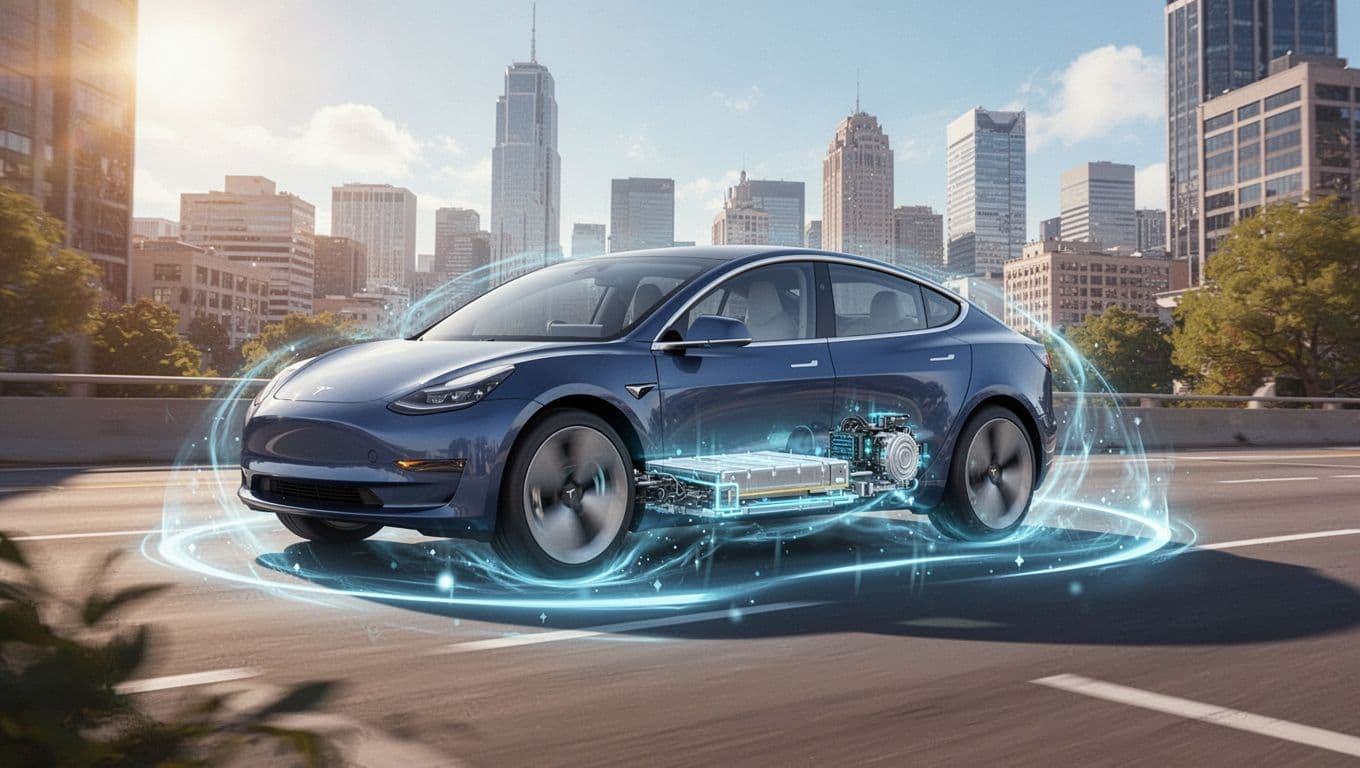 Battery and electronics protection concept art.
Before add-ons, you need to understand the base structure. In the US, the minimum is usually liability coverage (damage or injuries you cause to others). Many lenders also require comprehensive and collision on financed vehicles, because they want the car protected.
EV owners often choose more than the minimum because the expensive parts are on the vehicle itself. If you’re comparing EV insurance quotes, coverage choices can swing the premium fast, especially deductibles and EV-specific options.
Here’s a quick “why your quote changed” table you can scan in a minute:
| Quote item | What it affects | Why it matters for EVs |
|---|---|---|
| Comprehensive + collision | Big premium increase | Covers theft, weather, and crashes, EV repair bills can be higher |
| Deductible amount | Lower deductible costs more | EV claims can involve pricey sensors and labor |
| Roadside assistance | Small to moderate increase | Towing needs can be different (flatbed, charger destination) |
| EV parts or battery add-ons | Moderate increase | Helps with high-voltage component risks |
| Rental reimbursement | Moderate increase | EV repairs can take longer, depending on parts |
Takeaway: if two quotes differ a lot, it’s usually not magic, it’s deductibles and what the policy actually covers.
Must have EV protections: battery, electronics, and charging-related help
EV policies differ by carrier, so read the wording. Still, these themes come up again and again:
Battery and electrical component protection can help when damage involves high-voltage systems, electronics, or related hardware, but coverage varies by cause. Some policies treat battery damage like other parts under comprehensive or collision. Others offer a specific endorsement or limits.
Water damage is a common “gotcha.” Flooding, deep water, or improper charging setups may fall under exclusions depending on the policy language. Charging equipment coverage can also vary. A home wall charger might be covered under homeowners or renters insurance, or under an auto add-on, depending on how the insurer treats it.
Roadside assistance should match EV reality. A generic tow to the nearest shop is not always enough. Look for wording that supports flatbed towing and, when offered, towing to a charging location or help when you can’t charge.
If the policy doesn’t clearly describe coverage for EV electrical systems and towing, assume you’ll be arguing about it during a claim.
Add-ons that often pay off: zero depreciation, consumables, and return to invoice
Some add-ons can feel like “extra fluff” until you price an EV repair. These are the ones many owners prioritize, especially in the first few years:
Zero depreciation (often called “new car replacement parts” logic in some markets) means the insurer doesn’t reduce parts payouts as aggressively for age and wear, so your out-of-pocket costs can drop after a claim. This matters when body panels, lights, cameras, and sensors are expensive.
Consumables coverage helps with smaller items that add up in a claim, depending on the insurer, things like clips, fasteners, fluids, and similar workshop materials.
Return to invoice (RTI) is most valuable on a new EV. If the car is totaled early, RTI can help bridge the gap between what you paid and the insurer’s market-value settlement, subject to the policy’s terms.
Every add-on raises your quote, so tie it to your car’s age and value. A brand-new EV usually justifies more add-ons than a 6-year-old daily driver.
How to compare EV insurance quotes without getting tricked by fine print
 Comparing insurance quotes at home.
Comparing EV insurance quotes is like comparing phone plans. If the data limits and fees differ, the lowest price is meaningless. The goal is to match the inputs, then compare.
Start by setting your “fixed settings” and keeping them identical across insurers:
Same vehicle value (IDV in India terms, or actual cash value basis, and declared value in US quoting tools). Same driver details. Same garaging ZIP. Same annual miles or kilometers. Same deductibles. Same add-ons. Same policy term. Same prior insurance and claims history, including your no-claim discount (often called a claims-free discount in the US).
Once inputs match, the differences you see are real pricing differences, not missing coverage.
If you’re wondering what “cheap” looks like in the broader market, Experian maintains a frequently updated guide to the cheapest car insurance in the US for 2026. Use it as a baseline, then focus on EV-specific needs.
A simple quote comparison checklist you can use in 5 minutes
Use this quick checklist before you get excited about a low price:
- Vehicle value (IDV/ACV basis) and any valuation limits
- Liability limits (don’t compare 50/100 to 250/500)
- Comprehensive and collision included, with matching deductibles
- Battery and electrical parts language (included, excluded, or add-on)
- Roadside assistance details, especially towing type and destination rules
- Exclusions, especially water, flood, charging equipment, and modifications
- Claim support, including timeline expectations and documentation
- Cashless or in-network repair shops (and whether EV-certified shops exist nearby)
- Policy wording access (not just the quote summary)
The takeaway is simple: a quote can be “cheap” because it quietly shifts cost to you through exclusions and higher deductibles.
Questions to ask before you buy (so your quote matches real coverage)
Ask these questions on the call, chat, or before you click “buy”:
- Is battery coverage included, or is it an add-on endorsement?
- What counts as battery damage (collision, fire, short circuit, water)?
- Is water damage covered, and what conditions void coverage?
- Does roadside include flatbed towing, and can it tow to a charging point?
- Do repairs use OEM parts, aftermarket parts, or a mix?
- Is there a higher deductible for electrical or high-voltage components?
- Will the insurer require an inspection for an older EV or lapsed coverage?
- For usage-based plans, how do they track miles, and what happens if my annual mileage estimate is wrong?
For more general shopping guidance specific to hybrid and EV drivers, this overview of auto insurance for hybrid and electric cars can help you spot which features to ask about.
Ways to lower your EV insurance quote without cutting the protection you need
 Home charging and low-mileage lifestyle concept, created with AI.
Lowering EV insurance quotes doesn’t have to mean stripping coverage. The best savings usually come from aligning the plan to your real risk.
Start with mileage. If you work from home or drive mostly short trips, a usage-based plan or pay-per-mile program can be a clean win. Next, look at deductibles. A higher deductible can reduce your premium, as long as you can comfortably pay it if something happens.
Discount stacking matters too. Bundling auto with home or renters, keeping continuous coverage, and maintaining a clean record still move the needle for EVs. Many EVs also include strong anti-theft and safety systems, so make sure the insurer records those features correctly when quoting.
Pick the right plan for your driving, not the average driver
Usage-based insurance fits a certain type of driver:
Low-mileage drivers often come out ahead because the insurer prices in fewer exposure hours on the road. Careful drivers can also benefit if the program rewards smooth braking, moderate speeds, and low night driving.
On the other hand, very high-mileage drivers may not see savings, and some people simply don’t want telematics tracking their driving. That’s a valid reason to skip it.
If you do try it, estimate your annual miles honestly. A plan built for 5,000 miles a year can disappoint if you actually drive 12,000.
Save with smart settings: NCB, deductibles, and trimming the right add-ons
No-claim bonus (NCB) is a familiar term in India, while US insurers often describe it as a claims-free discount. Either way, the idea is the same: avoid small claims when you can, and protect the discount if the insurer offers a “bonus protection” option.
Voluntary deductibles are another simple lever. Think of it like choosing a higher co-pay to lower your monthly premium. It works best when you have an emergency fund, and you’re not filing frequent claims.
Finally, trim add-ons based on EV age. Return to invoice makes the most sense early on. Zero depreciation is often strongest in the first few years. As the car ages and market value drops, some add-ons may no longer justify the cost.
Still, don’t removethe battery and electronics protection just to chase a lower number. That’s like canceling health insurance to save money, right before you schedule a surgery.
Conclusion
EV insurance quotes vary mostly because of battery and electronics risk, where you live, how much you drive, and which add-ons you choose. The safest way to shop is to compare like for like, keep deductibles and coverage consistent, and double-check battery and roadside wording. If you drive less, usage-based pricing may lower your cost without weakening protection. Next, gather your vehicle details, decide on your must-have add-ons, and pull three matched EV insurance quotes before you buy.