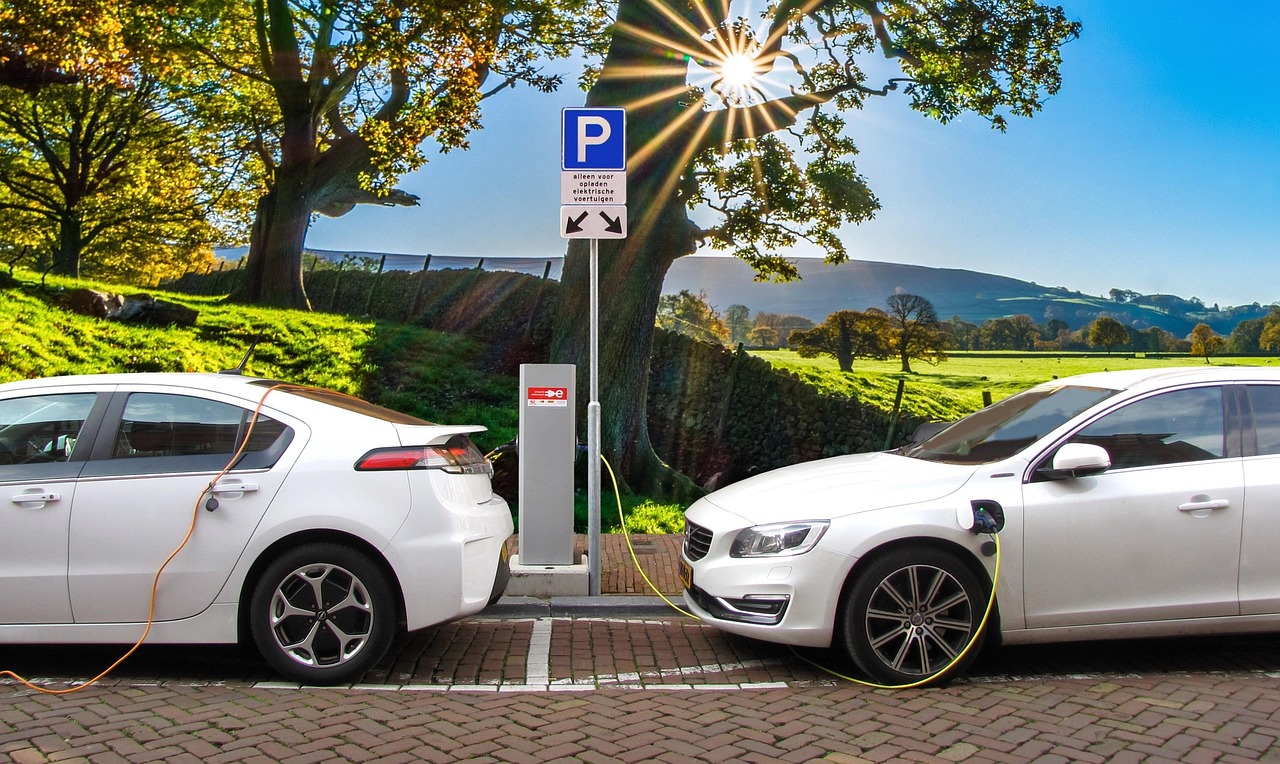
Electric vehicles are no longer the future of transport in the UK—they are the present. London, in particular, is leading the shift toward cleaner mobility with thousands of public charge points, expanding rapid-charging hubs, and strong support for zero-emission driving.
If you own an electric car or are planning to switch in 2026, knowing where to find the best EV charging stations in London, how much they cost, and which chargers are fastest can save you both time and money.
This complete pillar guide explains everything London drivers need to know about charging infrastructure, prices, locations, apps, and smart charging strategies.
EV Charging in London: Why It’s Growing Fast
London’s commitment to reducing emissions has accelerated EV adoption across the capital. Policies such as the Ultra Low Emission Zone (ULEZ), investment in public charging, and support for electric taxis and fleets have created one of Europe’s most advanced urban charging networks.
Key reasons EV charging is expanding quickly in London include:
- Government and borough funding for on-street residential chargers
- Rapid-charging hubs for taxis, ride-share, and delivery fleets
- Workplace and retail destination charging
- Increasing demand from private EV owners
- National targets to phase out petrol and diesel vehicle sales
As a result, drivers can now find charging points in nearly every London borough, from central business districts to suburban residential streets.
London EV Charging Map: Where to Find Public Chargers
Public EV charging stations are widely distributed across Greater London. You’ll commonly see chargers in:
- Residential streets with dedicated EV bays
- Supermarkets and shopping centres
- Public car parks and park-and-ride locations
- Hotels, gyms, and leisure facilities
- Office complexes and business parks
- Airports and major rail stations
- Petrol stations converted into rapid-charging hubs
Central London typically has the highest charger density, while outer boroughs are rapidly expanding residential on-street charging to support households without driveways.
For everyday driving, most EV owners rely on a mix of home, workplace, and public rapid charging, depending on travel patterns.
Types of EV Chargers Available in London
Understanding charging speeds is essential when choosing where to plug in.
Slow Chargers (3–7 kW)
Slow chargers are usually installed on residential streets or in long-stay car parks. They are designed for overnight charging and are the most affordable public option.
- Best for: overnight parking or long stays
- Typical full charge time: 6–12 hours
- Lowest cost per kWh
Fast Chargers (7–22 kW)
Fast chargers are common in supermarkets, workplaces, and public car parks. They provide a useful top-up while you shop or work.
- Best for: 1–4 hour parking
- Charging time: 2–6 hours depending on vehicle
- Moderate pricing
Rapid Chargers (43–50 kW)
Rapid chargers are widely used across London and can charge most EVs to around 80% in under an hour.
- Best for: quick top-ups during travel
- Charging time: 30–60 minutes
- Common near main roads and fuel stations
Ultra-Rapid Chargers (100–350 kW)
Ultra-rapid charging is expanding fast across London and major UK routes, delivering significant range in minutes.
- Best for: long journeys, taxis, and high-mileage drivers
- Charging time: 10–25 minutes for a major top-up
- Highest price but biggest time savings
Choosing the right charger depends on the time available, battery level, and travel distance.
EV Charging Prices in London (2026 Guide)
Charging costs vary by network, charger speed, and time of day. However, general pricing trends across London include:
- Slow/fast public chargers: lowest cost per kWh
- Rapid chargers: mid-range pricing for convenience
- Ultra-rapid chargers: premium pricing for speed
Even when relying on public charging, many drivers still spend less per mile than petrol or diesel vehicles, especially when combining:
- Off-peak tariffs
- Membership discounts
- Free workplace charging
- Occasional home charging
Monitoring price differences between networks can significantly reduce yearly running costs.
Best Rapid & Ultra-Rapid Charging Locations in London
Rapid charging hubs are strategically placed to support high-traffic travel routes and commercial fleets. You’ll find the most reliable rapid charging in:
- Central London transport corridors
- Inner ring road routes
- Major supermarket forecourts
- Dedicated EV charging hubs
- Taxi-focused rapid charging centres
- Motorway connections around Greater London
These hubs are designed for high turnover and short charging sessions, making them ideal for busy drivers who cannot wait several hours.
Best Apps to Find EV Charging Stations in London
Mobile apps are essential tools for EV drivers in London. The most useful features include:
- Real-time charger availability
- Connector compatibility filters
- Price comparison across networks
- Route planning with charging stops
- Contactless or in-app payments
- Usage history and receipts
Using more than one charging app ensures access to multiple networks across London, reducing the risk of arriving at an occupied or incompatible charger.
How to Charge Your EV Faster in London
Speed matters—especially in a busy city. Follow these expert tips to minimise charging time:
- Arrive with 10–20% battery before using rapid chargers
- Pre-condition the battery in cold weather (if supported)
- Avoid charging to 100% on rapid chargers unless necessary
- Choose ultra-rapid hubs for motorway-style top-ups
- Charge during quieter off-peak hours
- Check live availability before driving to a charger
Efficient charging habits can cut waiting time dramatically and improve battery health.
Saving Money on Public EV Charging
Although public charging can be more expensive than home charging, London drivers can still reduce costs by:
- Using slower chargers whenever time allows
- Charging overnight at discounted rates
- Joining network membership plans
- Combining workplace and public charging
- Monitoring price differences between locations
Over a full year, these small decisions can produce significant savings compared with fuel vehicles.
EV Charging for London Residents Without Driveways
Many London households lack private parking, making on-street charging essential. Borough councils are rapidly installing:
- Lamp-post chargers
- Kerbside charging posts
- Residential charging hubs
- Community charging car parks
This expansion ensures EV ownership is becoming practical even without home charging, a key factor in London’s transition to zero-emission transport.
Charging Infrastructure for Taxis, Fleets, and Businesses
Commercial EV adoption is growing quickly across London. Dedicated charging solutions now include:
- Rapid-charging hubs for black cabs
- Depot charging for delivery fleets
- Workplace charging for employees
- Overnight fleet charging depots
- Smart energy management systems
These developments are crucial for reducing emissions from high-mileage urban vehicles.
Future of EV Charging in London Beyond 2026
London’s EV infrastructure will continue evolving with major investments planned in:
- Thousands of additional on-street residential chargers
- Larger ultra-rapid charging hubs
- Renewable-powered charging networks
- Smart grid integration and energy storage
- Wireless and automated charging technologies
These innovations will make electric driving faster, cheaper, and more convenient across the capital.
Frequently Asked Questions About EV Charging in London
How many EV charging stations are in London?
London has thousands of public charge points across all boroughs, with new installations added every year.
Is public EV charging cheaper than petrol?
In most cases, yes—especially when using slower chargers or off-peak pricing.
Can you own an EV in London without home charging?
Yes. Expanding on-street residential charging makes EV ownership possible for drivers without driveways.
How long does rapid charging take?
Most EVs can reach around 80% charge in 30–60 minutes, while ultra-rapid chargers can deliver major range in under 20 minutes.
Conclusion: Driving Electric in London Is Easier Than Ever
London now offers one of the most comprehensive urban EV charging networks in Europe. With widespread public chargers, expanding rapid-charging hubs, competitive pricing, and powerful mobile apps, electric driving in the capital is practical for residents, commuters, and businesses alike.
As infrastructure continues growing through 2026 and beyond, switching to an electric vehicle in London is no longer a challenge—it’s a smart, future-ready decision.
Bookmark this guide to stay updated on the best EV charging stations in London and make every journey cleaner, cheaper, and more efficient.