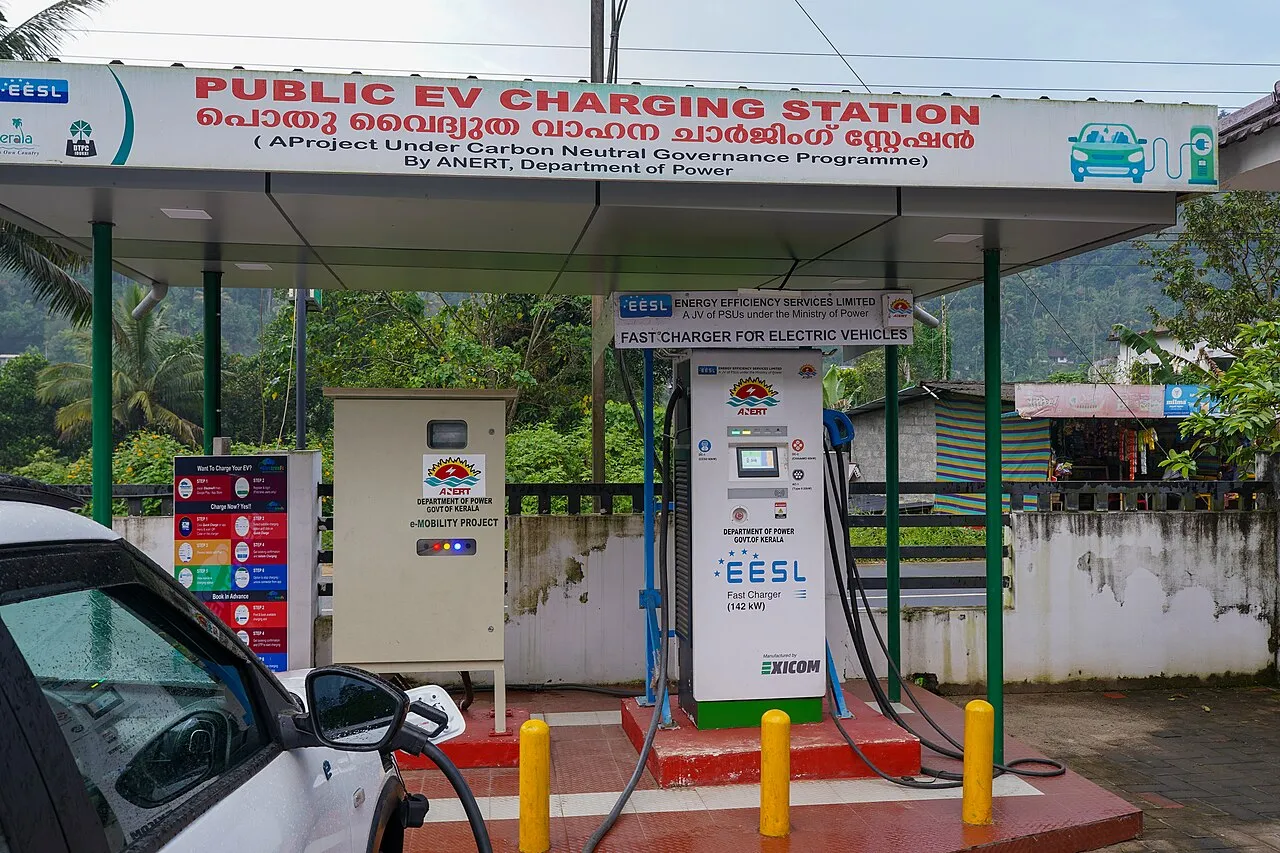
EV charging stations are expanding rapidly across India, but availability, cost, and charging speed vary by city and state. If you own—or plan to buy—an electric vehicle, knowing your local EV charging ecosystem is critical.
EV Charging Stations in India: Why Location Matters
India’s EV charging growth is uneven. Metro cities lead the transition, while Tier-2 and highway networks are catching up.
Local factors that matter:
- State EV policies
- Power tariffs
- Urban infrastructure
- Local government incentives
- Public–private charging partnerships
Let’s break it down city by city.
EV Charging Stations in Delhi NCR
Why Delhi Leads India’s EV Charging Network
Delhi NCR has one of the highest EV charging station densities in the country due to aggressive government support.
Where You’ll Find EV Chargers in Delhi NCR
- Metro station parking areas
- Shopping malls and commercial hubs
- Government buildings
- Residential societies
- Major roads and expressways
Charging Cost in Delhi
- AC charging: ₹4.5–₹8 per unit
- DC fast charging: ₹12–₹18 per unit
Key Advantage
- Strong state subsidies
- Mandatory chargers in new buildings
- Excellent coverage for daily urban use
Delhi NCR is currently the most EV-friendly region in India.
EV Charging Stations in Mumbai (Maharashtra)
Mumbai’s EV Charging Expansion
Mumbai is rapidly installing EV charging stations across high-density residential and commercial zones.
Common Charging Locations in Mumbai
- Malls and multiplexes
- Office parking spaces
- Public parking areas
- Petrol pumps with EV chargers
Charging Cost in Mumbai
- AC charging: ₹7–₹10 per unit
- DC fast charging: ₹15–₹22 per unit
Key Challenge
- Limited parking space
- High demand in peak hours
Despite space constraints, Mumbai’s EV charging infrastructure is growing steadily.
EV Charging Stations in Bengaluru (Karnataka)
Bengaluru: India’s EV Tech Hub
Thanks to strong private investment and tech-driven initiatives, Bengaluru is a major EV charging hotspot.
EV Charging Locations in Bengaluru
- IT parks and tech campuses
- Apartment complexes
- Shopping centres
- Outer Ring Road and highways
Charging Cost in Bengaluru
- AC charging: ₹6–₹9 per unit
- DC fast charging: ₹14–₹20 per unit
Key Advantage
- Strong startup ecosystem
- App-based smart charging networks
- High EV awareness
Bengaluru is ideal for daily EV commuters and fleet operators.
EV Charging Stations on Indian Highways
India is developing EV charging corridors on:
- National Highways (NH)
- Expressways
- Intercity routes
Highway Charging Highlights
- DC fast chargers every 25–50 km (select routes)
- Charging time: 30–45 minutes
- Ideal for long-distance EV travel
This is a major boost for intercity electric car users.
Home EV Charging in Indian Cities
Home charging remains the most affordable and reliable option.
Home Charging Cost
- ₹5–₹8 per unit (state dependent)
- ₹1–₹1.5 per km driving cost
Best For
- Daily city commuters
- Electric two-wheeler owners
- Apartment residents with parking access
Most EV owners in cities rely on home charging for 70–80% of their needs.
EV Charging Types Used Across Indian Cities
| Charger Type | Use Case | Charging Time |
|---|---|---|
| AC Slow Charger | Homes, offices | 6–10 hours |
| AC Public Charger | Malls, parking | 4–8 hours |
| DC Fast Charger | Highways, hubs | 30–60 minutes |
Challenges by City & State
Despite progress, challenges remain:
- Uneven charger distribution
- Grid load management
- Apartment installation approvals
- Awareness in Tier-2 cities
State-specific EV policies are gradually addressing these issues.
The Future of City-Wise EV Charging in India
What’s Coming Next
- Solar-powered city chargers
- Battery swapping for two-wheelers
- Smart app-based charging access
- More chargers in residential areas
- Lower charging tariffs
By 2030, EV charging stations will be a standard urban utility across India.
Final Verdict: EV Charging Stations in Indian Cities
EV charging stations are no longer limited to a few pilot projects. In cities like Delhi, Mumbai, and Bengaluru, charging infrastructure is already mature enough for daily EV use.
As state policies strengthen and private investment increases, city-wise EV charging will drive India’s electric mobility revolution.