Shopping for an e-bike should feel like buying a solid tool, not guessing in a fog. Yet a lot of electric bike company reviews read like ads, because many are tied to affiliate links, short demo rides, or rushed “top picks” lists.
This guide gives you a fair way to compare companies, not just bikes. A true company review covers product quality plus support: warranty terms, parts supply, shipping, service options, and how the brand handles problems months later.
The goal isn’t to crown one “best” brand for everyone. It’s to help you narrow to a short list you can trust.
What really matters when you compare e-bike companies
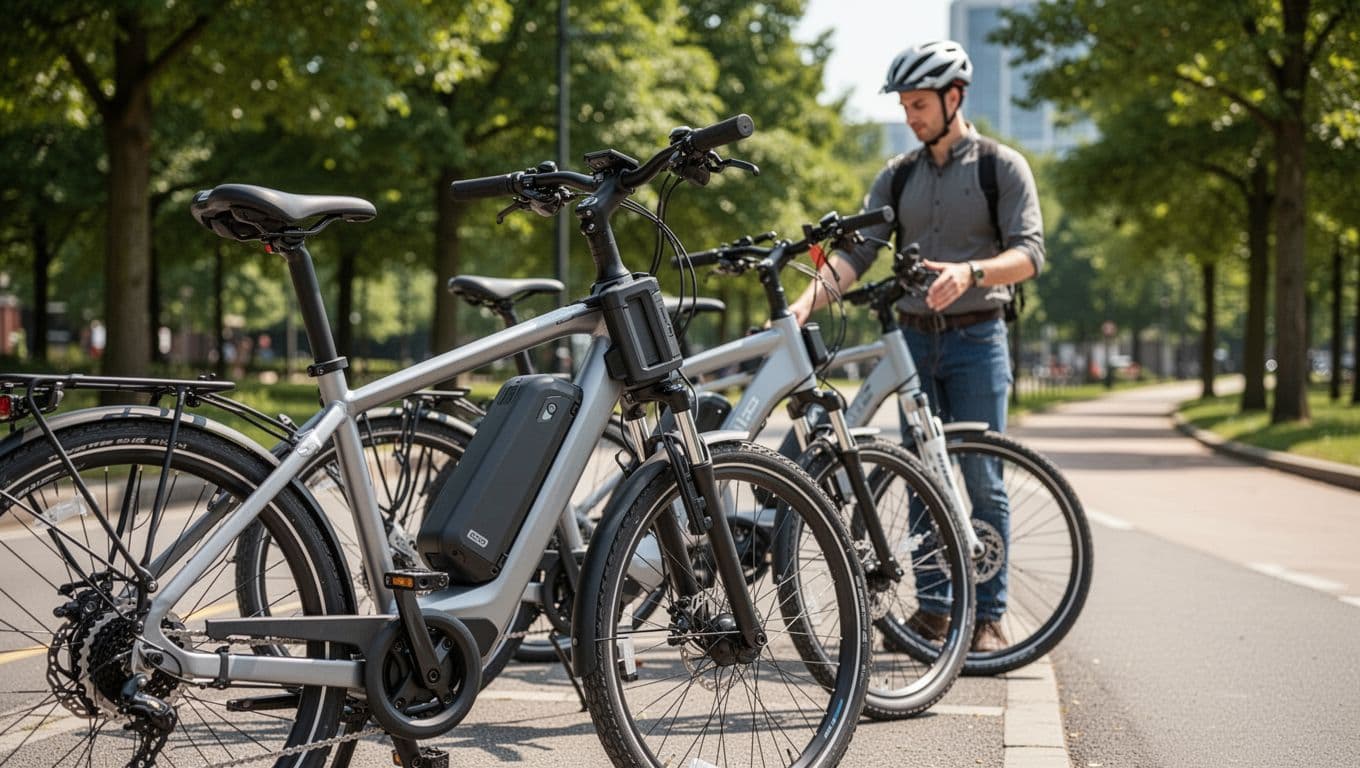 Three commuter-style e-bikes side by side, focusing on the battery area, created with AI.
Models and prices change fast. Because of that, it’s smarter to judge the company behind the bike. In practice, you can do a lot in ten minutes: read the warranty page, scan the owner’s manual PDF, check battery details, and look at how parts are handled.
Start with two “hard” categories: safety and support. Then look at the rest: fit, accessories, and total cost after shipping and add-ons. If a company is vague on the basics, that’s useful information by itself.
A good sign is when a brand explains limits and procedures in plain language. For example, a clear list of what’s covered, who pays return shipping, and how long parts typically take to ship. On the other hand, if everything is “case by case” with no steps, expect friction later.
If you’re price shopping, it also helps to compare the entry level market first, then move up. This quick internal guide to the cheapest EV bikes in the USA is useful for setting a baseline on what “budget” really buys (and what it usually doesn’t).
Battery and electrical safety, certifications, and water protection
Battery quality matters most because it drives fire risk, range, and lifespan. When a company review mentions the battery but skips safety details, treat that as a gap.
Look for signals you can verify:
- The company states whether the battery system is UL-listed or UL-certified (when available), or it clearly names the battery cell supplier and charger specs.
- The charger shows correct voltage and amperage, and the company warns against third-party chargers.
- The manual includes basic storage rules (temperature range, don’t store at 100 percent for months, don’t charge damaged packs).
Water protection is the next check. Many brands share an IP rating (like IPX or IP67). In plain terms, higher ratings usually mean better sealing against rain and splash. That matters for wet commutes, outdoor storage, and road spray. Still, no rating makes a bike “waterproof,” so avoid deep puddles and never pressure wash the electronics.
Support after you pay: warranty, parts, and service options
Warranty tells you how a company expects the bike to age. Read it like a procedure, not a promise.
A strong warranty page usually separates coverage for:
- Frame (often longer)
- Electrical parts like battery, motor, controller, and display (often shorter)
Next, check the claim steps. Do they require photos, a shop inspection, or a boxed return? Also, check who pays shipping both ways. Some brands cover parts but not labor, so a local shop bill can still land on you.
Parts supply is the real test. If batteries, displays, or proprietary brakes are out of stock for long stretches, downtime gets expensive. Another practical check is service access. If a brand mainly sells online, ask whether local bike shops will work on it, or if the company relies on remote troubleshooting and shipped parts.
A company with great specs but slow parts support can turn a small failure into a month off the road.
A quick look at the top electric bike company reviews for 2026
As of February 2026, recent test roundups in the US keep circling a few familiar names for value and ride quality. Sources like Electrek’s Feb 2026 price-level picks highlight how the same brands tend to win on practical features, not marketing gloss.
Below is a balanced snapshot of how buyer feedback and expert testing often describe each company.
Lectric eBikes: big value and folding convenience, but expect more weight
Lectric reviews often praise features per dollar, especially on folding models. Riders like the strong motor feel, useful racks, and the fact that a folded bike fits better in trunks and RV storage.
The tradeoff is physics. Many Lectric models feel bulky when lifted, and stairs are a hassle. This company fits budget-focused riders who still want power, plus anyone who needs a bike that stores small.
Aventon: smooth commuter feel with solid features, with a few small component gripes
Aventon tends to land well in commuter reviews because the bikes feel stable and well-tuned. Comfort, braking, and integrated tech (like app support on some models) show up as repeat positives.
At the same time, reviewers also flag small annoyances, such as minor component choices or awkward charge-port placement on certain models. For daily street riding, Aventon is often a safe pick, and Bicycling’s tested e-bike list regularly includes Aventon models in the “smart buy” range.
Ride1Up: strong performance for the money, check comfort, and setup needs
Ride1Up’s reputation leans toward speed and hill ability at a fair price. Many owners like the punchy acceleration and higher-performance parts compared to similarly priced bikes.
However, comfort is more personal here. Some models ship with sportier geometry, and buyers should expect a bit more assembly, tuning, and brake adjustment. This brand fits faster commuting and riders who don’t mind tweaking.
Velotric: safety-focused picks with weather-ready builds and a smooth power feel
Velotric gets good marks for durability and “everyday” usability. Reviews often mention smooth pedal assist, especially on bikes with a torque sensor, which matches motor help to how hard you pedal.
Weather readiness also matters. Better sealing and sturdy frames reduce stress for all-weather commuters. This company fits riders who care more about predictable behavior than top speed.
Rad Power Bikes and other established brands: steady everyday options
Long-running brands stay popular because utility bikes need boring reliability. Rad Power Bikes is often mentioned for accessory ecosystems, cargo options, and a familiar name.
Still, year-to-year changes matter. Before buying, confirm current stock, warranty terms, and support channels. Those details can shift faster than a frame design.
A simple checklist to write your own electric bike company review in 15 minutes
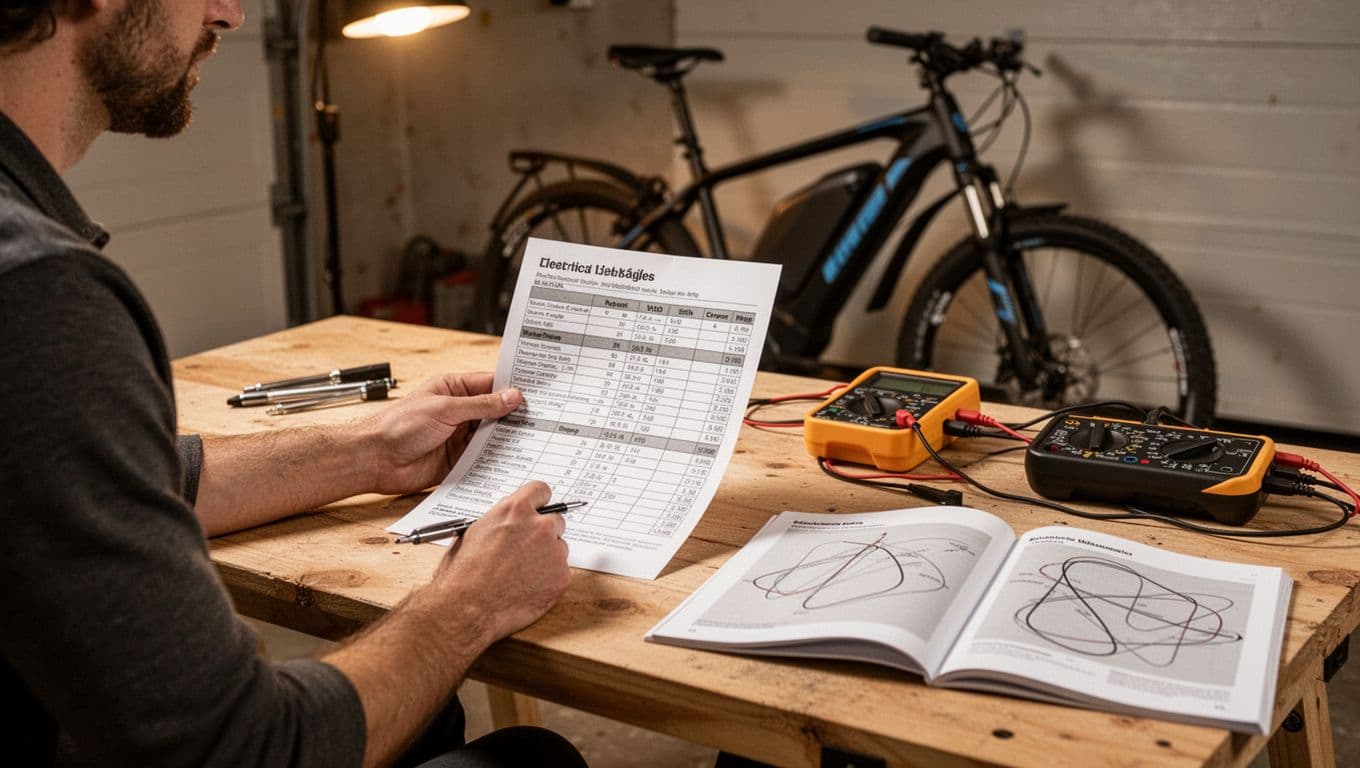 Reviewing a simple scorecard and manual before buying.
To keep your comparisons fair, use the same process for every brand. Pull up the company’s warranty page, return policy, and manuals. Then search the site for battery info and replacement parts. Finally, scan owner reports for patterns, not one-off stories.
Compare at least three brands. That makes weak warranty wording and hidden fees easier to spot.
Use a scorecard: safety, ride fit, total cost, and real support
This table is a simple 1 to 5 scorecard. Give “Support” and “Safety info” the most weight, because they matter after the honeymoon period.
| Category (score 1 to 5) | What you’re checking fast | Suggested weight |
|---|---|---|
| Battery safety info | UL mention (if available), charger specs, storage guidance | High |
| Warranty clarity | Separate terms for frame vs electrical, clear steps | High |
| Parts availability | Batteries and displays listed, realistic ship times | High |
| Return window | Days allowed, condition rules, restocking fees | Medium |
| Shipping costs | Bike shipping, return shipping, and packaging rules | Medium |
| Rider fit range | Sizes, standover, seat height range, payload | Medium |
| Included accessories | Lights, rack, fenders, lock points | Low |
| Service options | Shop network, mobile service, or DIY support | High |
After scoring, pick the best match for your use case, not the highest top speed.
Spot biased reviews fast and find the most reliable signals
Biased reviews have a few tells. They show only stock photos, list no negatives, and avoid long-term follow-ups. Another red flag is when range claims appear with no rider weight, terrain, or assist level.
More reliable signals look boring, but they’re gold: measured range tests, photos of wear, and “here’s what broke and how support handled it” updates. Lab-style sites can help here, since they explain methods. For a benchmark on structured testing, see OutdoorGearLab’s e-bike testing approach.
Trust reviews that include tradeoffs, because real bikes always have them.
Conclusion
Electric bike company reviews are most useful when they focus on safety, fit, and support, not hype. The best brand is the one that matches your rides today and still answers the phone next year.
Shortlist two to three companies, run the scorecard, and choose based on the categories that protect you long term. Write down your main use case (commute, folding storage, hills, cargo), then compare companies with the same checklist before you buy.