The real goal of Canadian EV incentives isn’t to make EVs sound trendy. It’s to cut the upfront price and keep monthly costs predictable, just as a good mortgage rate can matter more than a fancy kitchen.
In Canada, incentives can come from the federal government, provinces and territories, electric utilities, and sometimes local programs. The tricky part is that rules can change fast, sometimes mid-year (this article reflects what’s publicly available as of February 2026).
Below is a practical walkthrough of what you can get, who usually qualifies, how claiming works at the dealership or after purchase, and the mistakes that cost buyers real money.
The big buckets of Canadian EV incentives (and what each one saves you)
Think of incentives as discounts with conditions. Some reduce the price on your bill of sale (point-of-sale rebates). Others show up after you apply (post-purchase rebates). A smaller set works like a tax credit or a bill credit.
Most Canadian EV incentives fall into a few buckets:
| Incentive type | What it reduces | When you feel the savings | Common “gotchas” |
|---|---|---|---|
| Vehicle purchase rebate | Purchase price or lease cost | At the dealership | Eligibility lists, MSRP or price caps, and lease term rules |
| Used EV or scrappage program | Net cost of switching | After approval or at partner locations | Proof of ownership, timing windows, and limited funding |
| Home charging rebate | Hardware and installation cost | After installation and application | Licensed electrician, receipts, permit, or inspection needs |
| Utility EV rate or managed charging | Cost per km (electricity) | On your power bill | Enrollment, off-peak behavior, and smart charger requirements |
A key detail: “eligible vehicle” often means more than “it’s an EV.” Programs can limit eligibility by battery-electric vs plug-in hybrid, minimum electric range for plug-in hybrids, and even exact trims.
Upfront purchase rebates for new EVs
For many buyers, the cleanest incentive is the one applied before you pay. Point-of-sale rebates typically work like a coupon that the dealer redeems on your behalf. You see it as a line item on the bill of sale or lease worksheet.
Eligibility rules vary, but most programs check a similar set of basics:
- Vehicle type (battery-electric, plug-in hybrid, sometimes fuel-cell).
- New vehicle status (not previously registered, not a demo beyond program rules).
- Price limits (often tied to MSRP and sometimes adjusted by trim).
- Buyer rules (resident of the province, personal vs business use limits).
Before placing a deposit, confirm that the exact model and trim are on the program’s eligible list. A higher trim can push MSRP over a cap, even when the base model qualifies. That’s one of the most common “I thought it qualified” problems.
Forthe federal context, Transport Canada maintains the main pages for consumer programs, including the Zero-emission vehicles incentives overview.
Used EV rebates, scrappage programs, and special offers
Used EV incentives are less consistent across Canada, but they can be powerful when they exist. Some provinces and cities have offered used EV rebates in past years, and eligibility often depends on where you live, the vehicle’s age, and whether it has been previously registered in Canada.
Scrappage programs are a different tool. They pay you to retire an older gas car and can sometimes stack with an EV rebate. Think of it as getting paid to stop maintaining a vehicle that’s already costing you in repairs, fuel, and downtime. These programs usually demand paperwork:
- Proof you owned or registered the old vehicle for a minimum period.
- Proof the vehicle was insured and road-legal before scrappage.
- Documentation from an approved recycler or program partner.
Some special offers are income-tested. That can help lower-income households, but it also adds documentation steps. If a program asks for income verification, plan for extra time, and don’t assume approval is instant.
Federal and provincial programs: how to check what you qualify for
Canada’s incentive picture is a patchwork, and that’s not a criticism; it’s just the reality of federal vs provincial responsibilities. The fastest way to stay sane is to verify incentives in a fixed order, and to save proof as you go.
Use this approach:
- Start with official federal pages to understand current national programs and basic eligibility.
- Check your province or territory’s current EV page (and confirm it’s not an archived or paused program).
- Ask your dealer for a printed incentive breakdown that matches your exact trim, term, and postal code.
- Screenshot key rules (price caps, dates, eligible vehicle list), then save them with your quote.
In February 2026, the federal government has published details for the Electric Vehicle Affordability Program. The most reliable source is the official Electric Vehicle Affordability Program (EVAP) page. News stories can add context, but your purchase should anchor on the program rules.
How the federal program usually works at the dealership
The common flow is simple when everything lines up:
You pick an eligible vehicle, the dealer applies the incentive at the time of sale or lease, and the dealer submits the claim through the program process. Your total financed amount drops because the incentive reduces the transaction price.
To protect yourself, keep copies of:
- The bill of sale or lease agreement with the incentive shown as a line item.
- Any incentive form you signed.
- The dealer quote that lists the vehicle’s MSRP, trim, and fees.
Common disqualifiers tend to be technical, not personal. A trim level that exceeds a price cap can void the incentive. A lease term that’s too short may also fail a program rule. Some buyers also get caught by “final transaction price” language, where add-ons and fees can matter for program thresholds.
If you want a plain-language, third-party summary of what’s been announced, compare it against official rules using a source like Canada’s new EV rebate program: what we know so far, then confirm everything on the government page before signing.
Provincial rebates and who gets left out
Provinces can differ on details that change your answer from “yes” to “no”:
Residency rules can be strict. Some programs require you to register the vehicle in-province and keep it registered for a minimum time. Plug-in hybrid eligibility can depend on minimum electric-only range. Business and fleet eligibility can be different from personal use, and used EV rules may exist in one province and not the next.
Timing matters because provinces have paused or ended EV rebates before. Delivery dates are a real risk. If you order now and take delivery after a program ends, you may not qualify even if you signed earlier.
Before you buy, ask these questions and get written answers on the quote:
- Is my postal code eligible, if the program has regional limits?
- Does the rebate apply to this exact trim and drivetrain?
- Do I need to apply myself, or is it point-of-sale?
- What is the deadline, and what date counts, order date or delivery date?
If you want a quick cross-Canada snapshot to sanity-check what’s active, a summary guide like Canada EV Rebates and Incentives 2026: By Province can help you spot what to verify next, but treat it as a starting point, not the final authority.
Charging and home energy incentives that lower the real cost of an EV
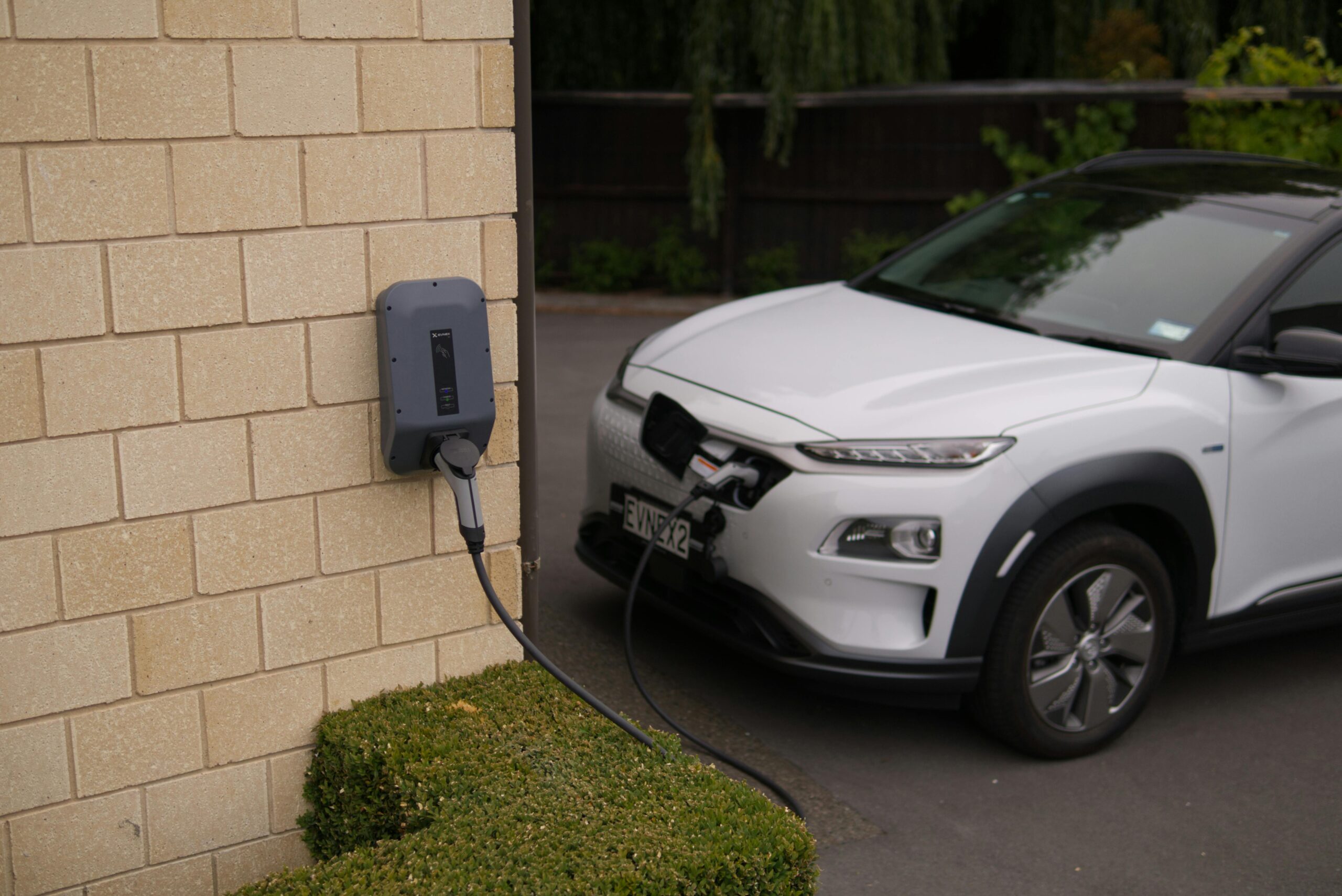
A rebate on the car helps, but ownership costs decide whether an EV feels cheap or annoying. Home charging is the center of that. If you can charge overnight at home, your EV becomes like a phone. You plug it in, wake up full, and rarely think about it.
Incentives around charging often target:
- Level 2 home charger purchase.
- Installation labor (electrician work).
- Electrical upgrades (panel capacity, wiring).
- Permits or inspections, if required.
Even without a rebate, it’s worth thinking in a 3 to 5-year window. A lower electricity rate at the right time of day can change your monthly spend, especially for families driving a lot of kilometers.
For technical basics on home charging and what affects installation cost, Natural Resources Canada has a clear overview at Electric vehicle charging, charger installation.
Home charger rebates and installation support
Most charger rebates are reimbursement-style. You buy the charger, pay the electrician, then submit documents. Programs often require a licensed electrician, and they may request photos of the installed unit, proof of inspection, and itemized receipts.
Common requirements to plan for:
- Licensed electrician invoice that lists labor and materials.
- Receipt that shows the charger model number.
- Permit or inspection proof where local code requires it.
Common exclusions are just as important. DIY installation is often not eligible. Non-approved chargers can also be rejected, even if they work fine.
Get two quotes before you install. The first quote tells you the “easy case” price. The second quote often reveals whether your panel is near capacity, which can change the job scope and timeline.
If you’re trying to find programs by province and charger type, directories like Rebates for home EV chargers in Canada can help you locate the right utility or regional page, and then you can confirm details with the program owner.
Utility rates, off-peak charging, and smart charger programs
Utility incentives are easy to miss because they don’t feel like a car rebate. They show up as rate plans, bill credits, or device discounts for managed charging.
Off-peak pricing is the simplest concept. Charging overnight often costs less than charging during the evening peak. If you drive 50 km a day, the difference between peak and off-peak charging can add up over a year, like paying a different price for the same gas depending on the hour.
Smart charger programs take it one step further. Some utilities offer incentives if your charger can reduce or pause charging during grid peaks. That doesn’t mean you lose range; it usually means your charger shifts energy use to cheaper, less congested hours.
Before you buy a charger for a program, confirm the exact hardware requirements. Some programs only support specific charger brands or models, or require Wi-Fi connectivity and a utility-approved app.
How to stack incentives and avoid the mistakes that cost people money
Stacking means combining multiple incentives legally, such as a federal vehicle incentive plus a provincial rebate plus a home charger rebate. Not every combination is allowed, and stacking rules can change, but it’s common for vehicle and charging incentives to be separate and compatible.
The main principle is simple: verify eligibility before you commit money. Deposits, non-refundable add-ons, and early installs can lock you into a path that no longer qualifies once the paperwork is reviewed.
Some rebates are first-come, first-served. Others run on fixed yearly budgets. When funds run out, the program can pause even if the website still shows last month’s details.
For policy context about the February 2026 federal shift, including how rebates fit into the broader auto plan, see reporting like Canada repeals EV Availability Standard, restores $5,000 vehicle incentives, then verify your purchase against the official program page and dealer paperwork.
A simple stacking checklist for Canadian EV incentives
Use this as a one-page pre-signing check:
- Confirm vehicle eligibility on the official list, including trim and drivetrain.
- Confirm residency and registration rules for your province.
- Ask the dealer to itemize incentives on the quote (program name and amount).
- Verify lease term rules if leasing, including minimum months.
- Confirm deadlines and “what date counts” (order date vs delivery date).
- Keep every receipt (charger, labor, permit, inspection).
- Save screenshots of key rules in case the page changes later.
This isn’t busywork. It’s how you avoid finding out too late that your paperwork doesn’t match the program’s definition of “eligible transaction.”
Common pitfalls: trim level pricing, timing, and missing paperwork
Most incentive failures come from predictable problems.
Trim pricing is the big one. Buyers choose a base model thinking it qualifies, then upgrade wheels, battery, or package options that push MSRP over a threshold. The VIN is still an EV, but the program sees a non-eligible trim.
Timing is next. A program can end, pause, or change. If your delivery slips past the cutoff, you might lose the incentive even with a signed order.
Paperwork is the silent killer, especially for home charging. Missing receipts, unclear electrician invoices, or lack of proof of inspection can lead to denial or long delays.
If a dealer quote seems off, don’t argue in general terms. Ask for the program name, the eligibility basis (model, trim, term), and a line-item breakdown that matches the purchase agreement. If the dealer can’t document it, treat the incentive as “not real” until proven.
Final takeaways for Canadian EV incentives
Canadian EV incentives can cut the purchase price and reduce ownership costs, but only if you verify eligibility early, with extra focus on MSRP and trim and on delivery timing. Build a one-page checklist for your province, your dealer quote, and your charging plan, then save receipts and screenshots like you’re building a small audit file. If you share your province and the EV you’re considering, the next update can cover the most common real-world scenarios.