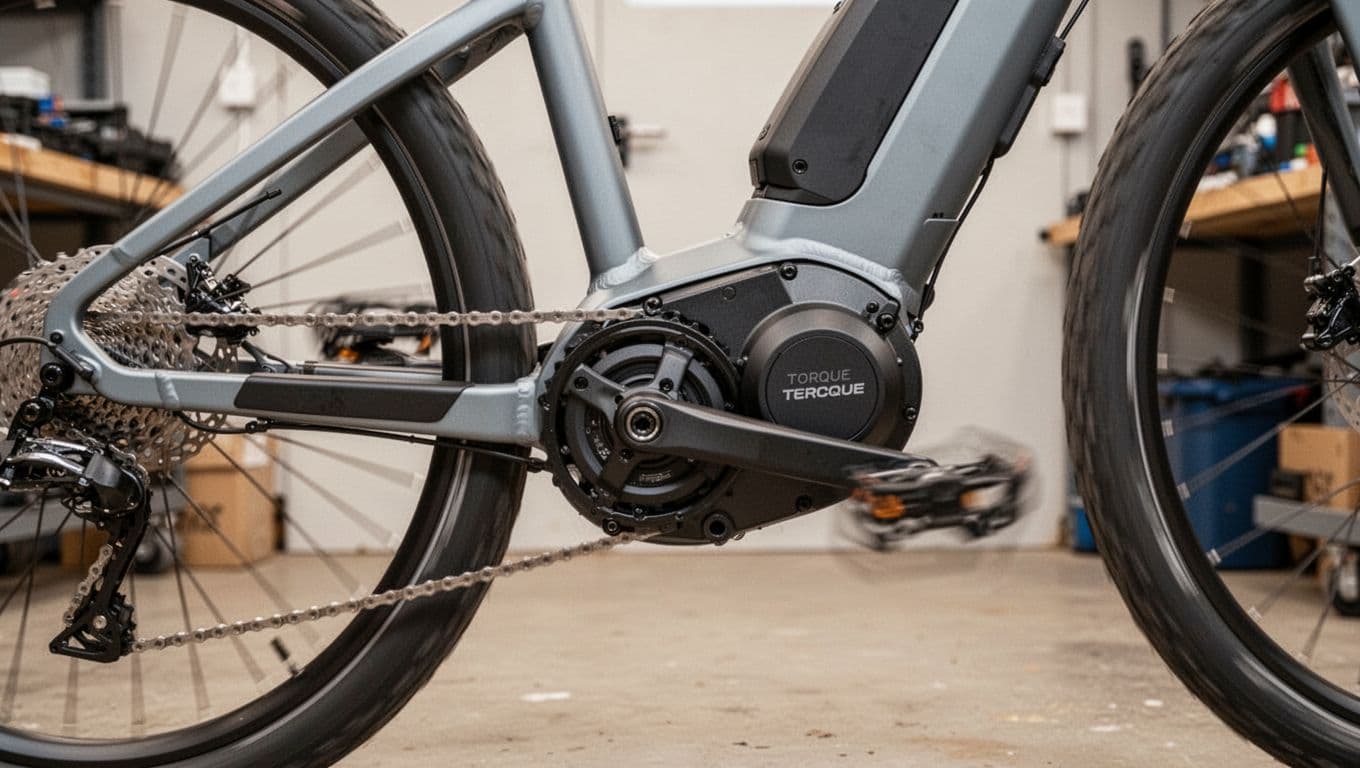
A pedal electric bike (also called a pedal-assist e-bike) is a bicycle that adds motor power only while you pedal. You still ride it like a bike, but hills feel smaller and headwinds stop being a punishment.
This pedal electric bike review is a practical way to judge any model you’re considering, plus real 2026-style examples that people cross-shop right now. The “best” pick depends on how you ride: commuting, light trails, errands with cargo, or tight storage in an apartment.
If you read one thing before shopping, make it this: ride feel, braking, fit, and support matter more than a big watt number on a product page.
Pedal-assist e-bikes, explained in plain English

Photo by Motor TruckRun
Pedal assist works like a tailwind you can dial up or down. Sensors watch what you do at the cranks (pedals), then a controller tells the motor how much to help. Most bikes offer 3 to 5 assist levels. Low assist feels like you’ve had extra coffee. High assist can feel like you’ve got a strong push up every grade.
You’ll also see terms that change how the bike behaves:
- Throttle vs pedal assist: A throttle can move the bike without pedaling (common on Class 2). Pedal assist requires pedaling.
- Hub motor vs mid-drive: Hub motors sit in the wheel, usually rear. Mid-drives sit at the crank and push through the chain. Mid-drives often climb well at low speeds, but many hub motors feel great too, especially with a good sensor tune.
- Watts vs real hill power: Listings can be messy. Some brands list “nominal” watts, others highlight peak output. In practice, torque, controller tuning, gearing, and total weight decide whether a bike feels confident on a hill.
For a broad reality check on what different categories ride like, compare several test-driven picks from outlets that ride lots of bikes, such as Bicycling’s best e-bikes roundup rather than relying on one spec sheet.
Torque sensor vs cadence sensor: why the ride can feel smooth or jumpy
A cadence sensor checks whether the pedals are turning. Many cadence systems deliver power in a more on-off way. That can feel punchy from a stop, yet it can also feel jumpy in slow traffic or tight turns.
A torque sensor measures how hard you push. The motor then matches your effort. As a result, starts feel more predictable, and speed changes feel more like a regular bike.
Here’s simple guidance:
- If you want a bike that feels “bike-like,” choose a torque sensor.
- If you want easy cruising with minimal leg effort, cadence can still work, especially on flatter routes.
- If your commute has stop signs and short climbs, torque assist usually feels calmer and more controllable.
Several popular 2026 choices stand out mainly because torque sensing reduces that laggy, surging feeling that turns new riders off.
If an e-bike feels jerky on a test ride, it often isn’t “too powerful.” It’s often sensor behavior and tuning.
E-bike classes and speed limits: what’s legal where you ride
In the US, most pedal-assist e-bikes fall into a three-class system:
- Class 1: Pedal assist only, typically up to 20 mph.
- Class 2: Throttle allowed, typically up to 20 mph.
- Class 3: Pedal assist up to 28 mph (often with speed-focused setup).
Class affects more than speed. It can also change where you can ride. Some paths allow Class 1 and restrict Class 3. Helmet rules also vary. Before you buy, check state and local guidance, and confirm the bike’s class label matches how it’s configured.
How to judge any pedal electric bike in a real-world review
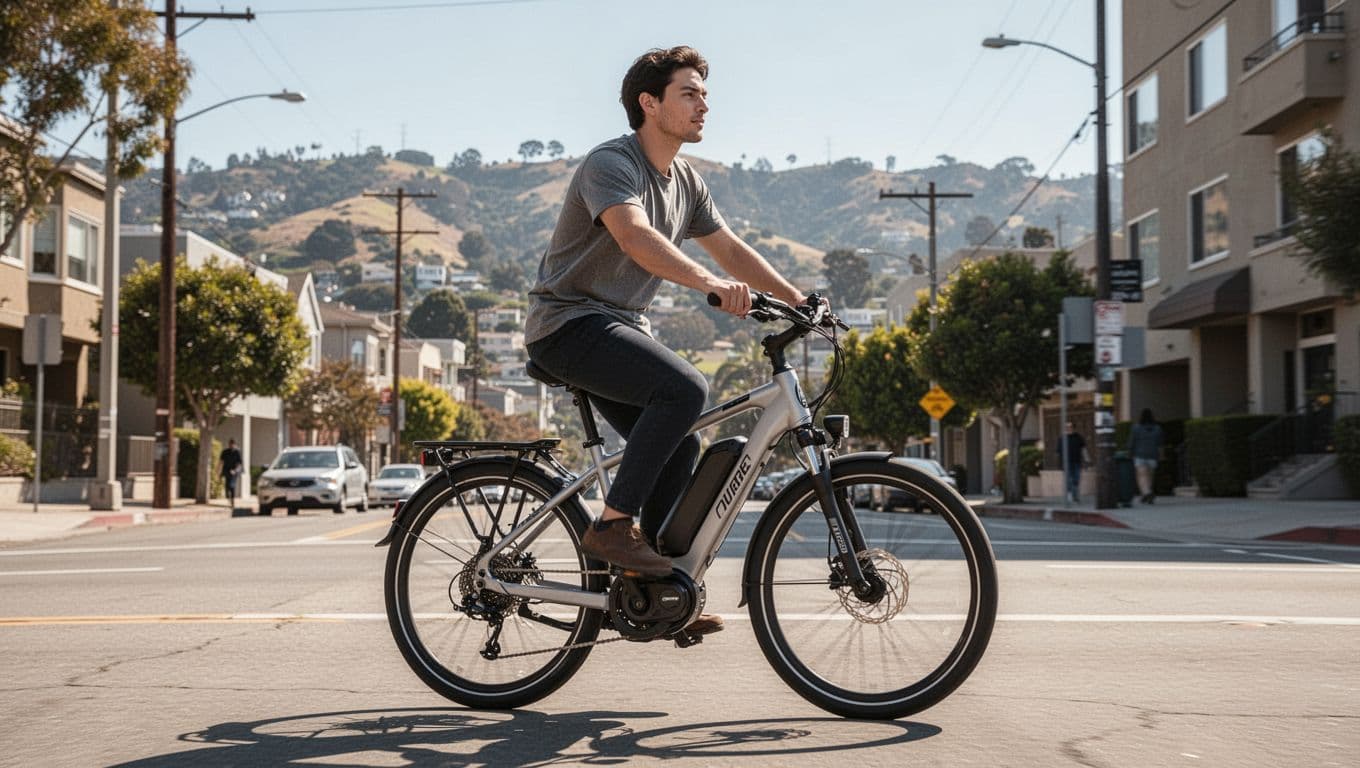
An everyday pedal-assist ride on city streets.
A good pedal electric bike review should answer one question: how does it behave on the rides you’ll actually do? Specs help, but you can’t read comfort off a product page.
When you test a bike in a shop or parking lot, focus on a few high-signal checks:
First, confirm fit. Stand over the top tube. Adjust saddle height. Then see if the reach to the bars makes your shoulders tense. A “wrong size” e-bike feels worse because the bike is heavier and faster than a basic bicycle.
Next, evaluate low-speed balance. Ride slowly, do a tight U-turn, and look for wobble. A stable bike tracks cleanly at walking speed.
After that, test hill behavior. Find even a short incline. Start from a near stop and pedal up. A well-tuned system adds help smoothly instead of lurching.
Finally, do a brake test. Get up to a safe speed, then brake hard in a straight line. The bike should slow fast without a spongy lever.
If you’re comparing categories and prices, it helps to scan large-scale testing lists to see what’s common in each segment. For example, OutdoorGearLab’s electric bike testing is useful because it separates ride impressions from marketing claims.
Range, battery size, and charging: what to expect on your kind of rides
Range is where expectations go wrong. Brands often quote a best-case number based on light riders, flat routes, and low assist. Your real range changes with:
Rider weight and cargo matter because you need more energy to accelerate and climb. Wind matters more than people think because drag rises quickly as speed rises. Tire type also matters. Fat tires grip well, yet they can cost range on pavement.
A simple way to estimate range is to think in ride style bands instead of one number:
- Low assist, steady pace: best-case range
- Mixed assist, stop-and-go: typical commuting range
- High assist, lots of throttle or steep hills: shortest range
Battery design matters too. A battery that locks solidly and seals well against spray reduces annoying rattles and weather issues. Charging convenience counts as well. A hard-to-reach charge port becomes a daily pain if you charge in a tight garage.
If most of your miles are commuting, comparing commuter-focused tests can help set expectations. This is why roundups like Popular Science’s commuter e-bike reviews are helpful, since they discuss day-to-day charging and practicality, not just speed.
Brakes, tires, and suspension: the safety and comfort trio
On an e-bike, safety parts do more work. The bike weighs more, and you often ride faster. That’s why hydraulic disc brakes are a strong preference for most riders. They deliver better power and control, especially in wet conditions.
Tires change both comfort and handling. Fat tires add float and stability on rough surfaces, sand, and gravel. On the other hand, commuter tires roll faster and feel more precise on pavement.
Suspension can help, but it’s not free. A suspension fork can reduce hand fatigue on potholes and broken pavement. However, it adds weight and cost, and cheap forks can feel vague. If your routes are mostly smooth roads, a rigid fork plus wider tires can feel cleaner.
During a test ride, squeeze each brake lever hard while standing still. The lever shouldn’t pull to the bar. Then ride and brake with one finger. If you need a full-hand crush, something is off.
Pedal electric bike review of popular 2026-style choices (who each one fits)
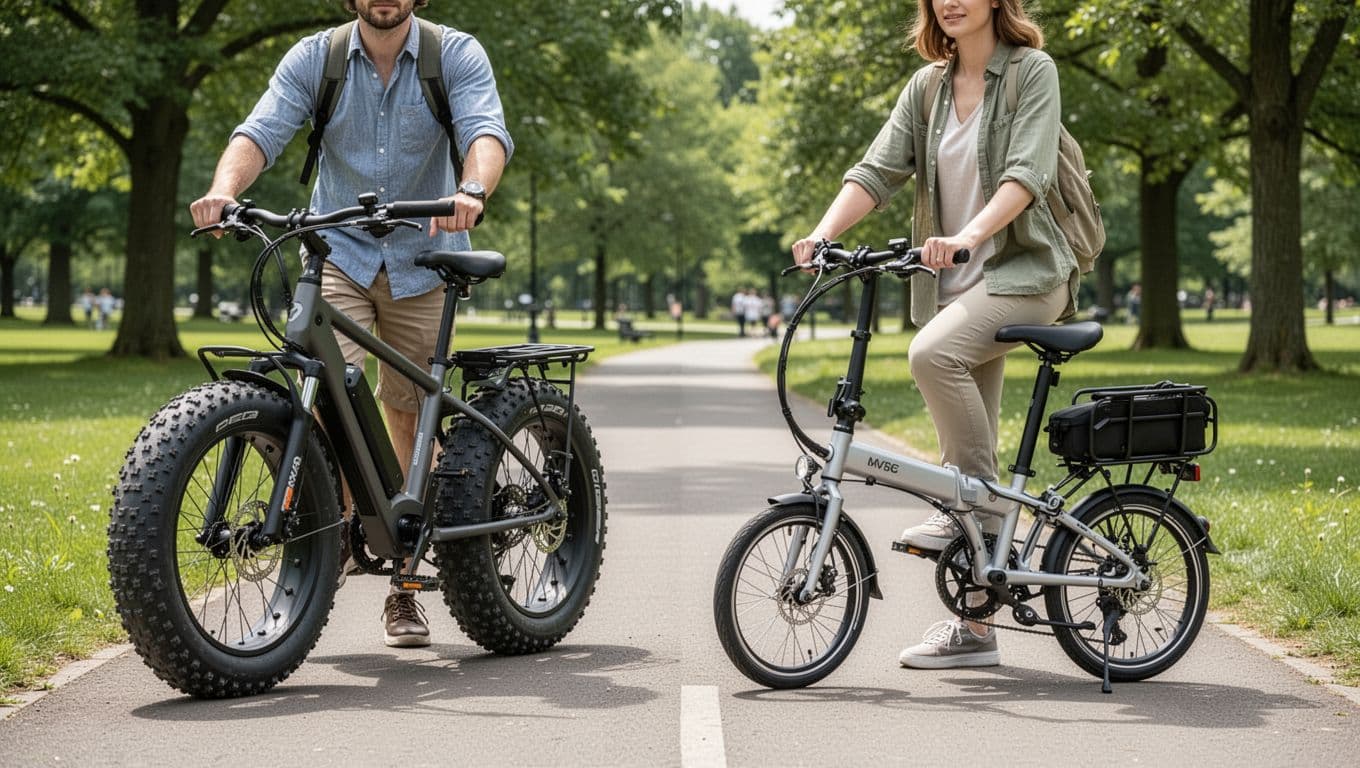
Two common e-bike styles are compared side-by-side.
Instead of drowning you in specs, this section maps four common 2026 picks to real use cases. Treat exact configurations as “confirm before you buy,” since trims and firmware settings can change.
This quick table frames which style tends to fit best:
| Model (2026-style example) | Best use case | What tends to stand out | Common tradeoff |
|---|---|---|---|
| Aventon Aventure 3 | Mixed terrain, comfort, errands | Torque-sensor feel, stable fat tires | Heavy to lift and store |
| Lectric XPeak 2.0 | Budget-friendly adventure rides | Value, simple off-road capability | Less “premium” feel, check components |
| Aventon Level 3 | Road commuting | Quicker pavement handling, city features | Less suited for sand or deep gravel |
| Lectric XP4 | Storage-first commuting | Foldability, practical cargo options | Folding weight, smaller-wheel feel |
For broader February 2026 context on how these categories stack up by price, Electrek’s current best e-bike list helps you sanity-check whether you’re paying for performance, comfort parts, or brand support.
If you’re trying to keep cost down, it also helps to compare what “cheap” really buys you right now. The guide to the cheapest e-bikes in the USA is useful for spotting where budget models often compromise (brakes, battery size, and service coverage).
Aventon Aventure 3: a comfy fat-tire option for mixed rides and light trails
Aventure 3 is built for riders who want one bike for pavement, broken roads, and light trail use. The key ride feature is its torque-sensor pedal assist, which tends to feel proportional on starts and climbs. In real riding, that matters more than raw peak power because it reduces the “surge” that can make heavy bikes harder to control.
Comfort is a big part of the appeal. Fat tires take the edge off rough surfaces, and the overall setup aims for stability. Safety equipment is also a strong point in this category. Hydraulic disc brakes and integrated lighting are the kind of hardware that makes a heavy e-bike less stressful in traffic.
The honest downside is weight. At around 76 lb for the bike alone, carrying it upstairs is a bad time. Storage and transport should be part of the decision, not an afterthought.
Who should skip it: riders with narrow storage, frequent lifting, or mostly smooth road miles where a commuter tire would feel faster and lighter.
Lectric XP4 and other folding picks: great storage, but know the weight tradeoff
Folding e-bikes are for people with a space problem. Apartment hallways, office storage rooms, RV bays, and small trunks push you toward a fold. That convenience is real, and it can mean you ride more often.
Still, folding comes with physics. Hinges and reinforced tubes add weight. Smaller wheels can feel twitchier at higher speeds for some riders, especially on rough pavement. Meanwhile, carrying a folded e-bike up stairs is often harder than people expect because the weight is compact and awkward.
With the Lectric XP4 style of folder, riders often like the practical setup for errands, including rack use and a ready-to-commute vibe. If your routes include hills, pay close attention to how the assist ramps in from a stop. Smooth tuning matters more on smaller-wheel bikes because quick weight shifts can magnify a jerky launch.
For riders comparing “more power” options, be careful with simple watt chasing. A higher-watt class can add speed, yet it also raises braking, tire, and legal questions. If you want context on what high-power categories look like, see an explainer like Ebike Critics’ 1000-watt e-bike guide, then map those ideas back to your local rules.
Conclusion
A good pedal electric bike review doesn’t end with top speed. Start with your main use case (commute, mixed terrain, errands, or storage), then choose the right class for where you ride. If you want the most natural feel, prioritize torque-sensor assist, and don’t treat brakes and fit as optional upgrades. Make a short list, test ride if you can, and buy the bike that feels stable and comfortable, not the one with the flashiest numbers.