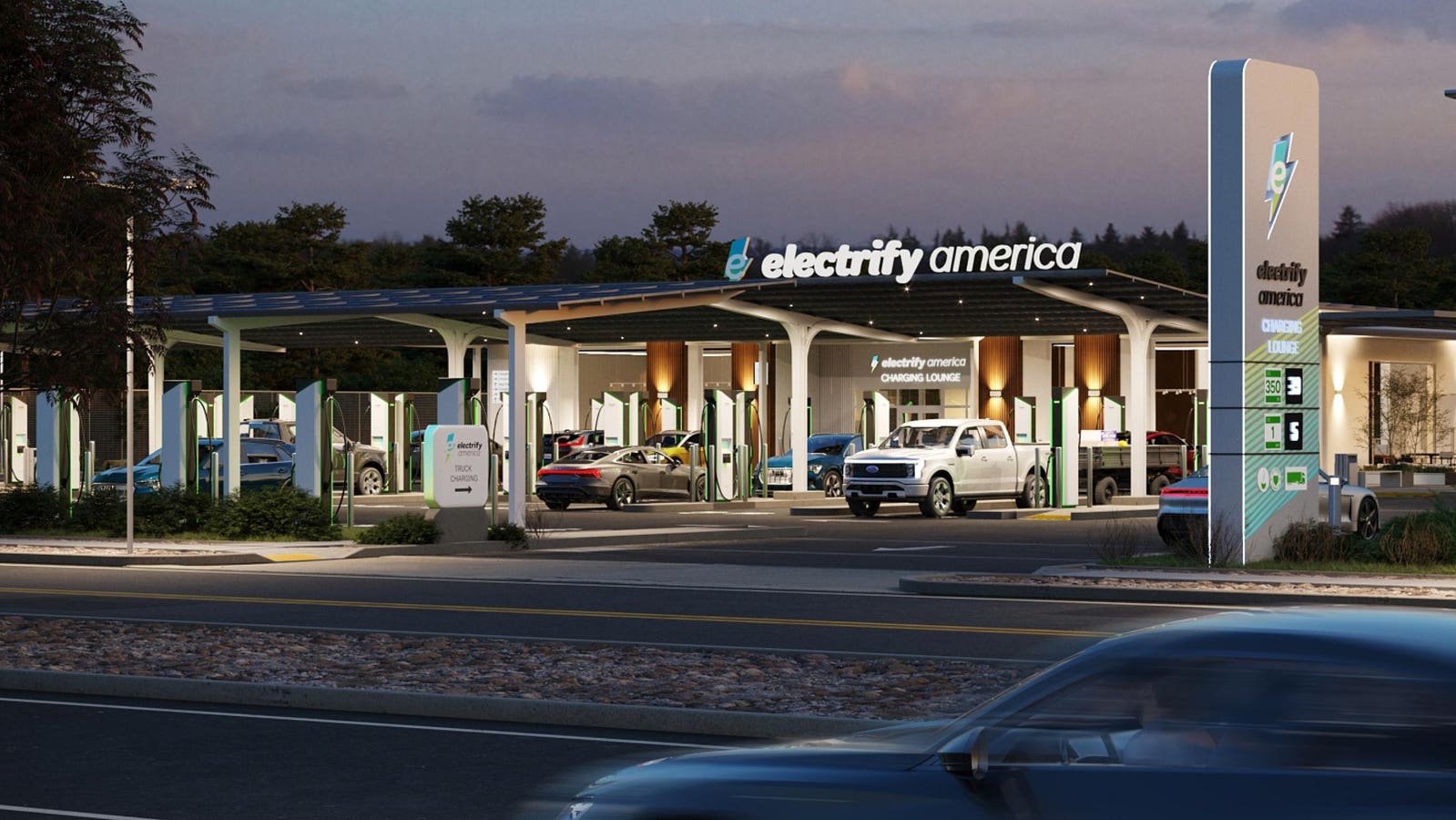
Electric vehicles are no longer a future promise—they are now a daily reality on American roads. In 2025, From dense urban hubs to cross-country highways, charging infrastructure is expanding rapidly—making range anxiety a thing of the past. This guide breaks down where charging stations are located, how much charging costs, and how fast-charging networks work in real life.
Where EV Charging Stations Are Located in the USA
EV charging stations now span every U.S. state, with the highest concentration in areas where EV adoption is strongest—but growth in rural and highway corridors is accelerating fast.
📍 Most Common Charging Locations
-
City centers & downtown parking areas
-
Shopping malls, supermarkets & retail parks
-
Highway rest areas & interstate exits
-
Office campuses & corporate parking
-
Apartment buildings & residential complexes
-
Hotels, airports & tourist destinations
Urban drivers often have multiple charging options within a few miles, while long-distance travelers benefit from strategically placed chargers along major interstates such as I-5, I-10, I-40, I-70, and I-95.
Understanding EV Charger Types in the USA
Not all EV chargers are the same. Charging speed depends on voltage, power output, and vehicle compatibility.
Level 1 Charging – Basic & Slow
-
Uses a standard household outlet
-
Adds about 3–5 miles of range per hour
-
Best for overnight or emergency use
Level 2 Charging – Everyday Standard
-
Found in homes and public locations
-
Adds 25–40 miles of range per hour
-
Ideal for daily commuting and workplace charging
DC Fast Charging – High-Speed Power
-
Built for highways and long trips
-
Delivers 80% charge in 20–40 minutes
-
Power ranges from 50 kW to 350 kW
Fast chargers are transforming EV travel, allowing drivers to stop briefly—similar to a fuel break—and continue their journey.
Fast-Charging Networks Powering the USA in 2025
Fast-charging networks are the backbone of America’s EV revolution. In 2025, these networks are larger, faster, and more reliable than ever before.
Why Fast Charging Matters
-
Enables coast-to-coast EV travel
-
Reduces charging wait times dramatically
-
Supports higher vehicle battery capacities
-
Improves confidence for new EV buyers
Most fast-charging stations are placed near restaurants, restrooms, and convenience stores, turning charging stops into productive breaks rather than delays.
EV Charging Costs in the USA (2025)
Charging an EV is generally far cheaper than filling a gas tank—but costs vary depending on location and charger type.
Average Charging Prices
-
Home charging: $0.12–$0.18 per kWh
-
Public Level 2: $1–$3 per hour
-
DC fast charging: $0.30–$0.60 per kWh
Cost Comparison
-
EV drivers typically save $700–$1,200 per year on fuel
-
Electricity prices are more stable than gasoline
-
Many workplaces and hotels still offer free charging
Charging at home during off-peak hours remains the most economical option for most EV owners.
How Drivers Find EV Charging Stations Today
Finding a charger in 2025 is easier than ever.
Drivers rely on:
-
In-car navigation systems
-
Smartphone charging apps
-
Google Maps EV filters
-
Real-time availability alerts
Most tools display connector type, charging speed, pricing, and live status, helping drivers avoid queues and plan smarter routes.
The Future of EV Charging in the USA
The next phase of EV charging goes beyond speed—it focuses on intelligence and sustainability.
What’s Coming Next
-
Ultra-fast chargers exceeding 350 kW
-
Wireless & curbside charging trials
-
Solar-powered charging hubs
-
AI-based smart load management
-
Better coverage in rural America
By the end of 2025, the U.S. is expected to surpass half a million public charging ports, supporting a cleaner and more resilient transportation system.
Why EV Charging Stations Matter More Than Ever
EV charging stations are no longer just infrastructure—they are economic, environmental, and technological enablers.
They:
-
Reduce transportation emissions
-
Support clean energy adoption
-
Create new jobs and investments
-
Accelerate the transition away from fossil fuels
For drivers, charging has become simpler, faster, and cheaper—removing the final barriers to full EV adoption.
Final Takeaway
In 2025, EV charging stations in the USA represent one of the fastest-growing energy networks in the country. With widespread locations, falling costs, and powerful fast-charging systems, electric vehicles are now practical for everyone—from city commuters to cross-country travelers.
As infrastructure continues to expand, charging an EV is becoming as routine as parking a car—only cleaner, quieter, and future-ready.
2 thoughts on “EV Charging Stations in the USA (2025): Locations, Costs & Fast-Charging Network Explained”